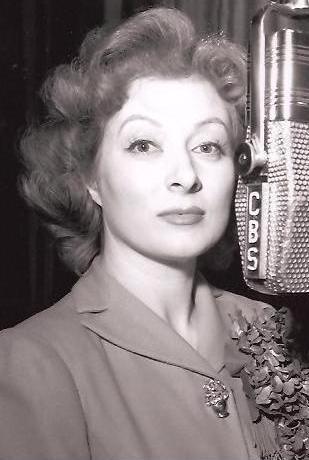
Just like the prince and the pauper…

Do you ever watch a movie and think, “Man, those actresses could be sisters.” or  “It’s hard to tell those two men apart because they look so similar.”   These actors could maybe even switch places just like Billy and Bobby Mauch did in “The Prince and the Pauper” (1937).

Younger movie viewers of today may say that all old actors all look the same. This isn’t true of course, but there are some that certainly look very similar. This is a result of being groomed by movie studios to have glamour and charm.

Actors and actresses also are given names that sound similar and can cause confusion.

Here is a list of actors who look similar and have confusingly similar names.

Look-a-likes:

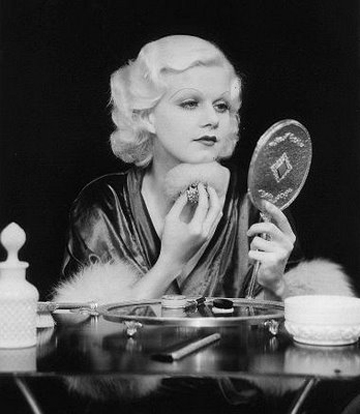
Joan Leslie, Joyce Reynolds, Teresa Wright

Joan Leslie, Joyce Reynolds, Teresa Wright
-Joyce Reynolds emerged in the 1940s in the movie “Janie” with a clean Joan Leslie appearance and a squeaky Teresa Wright voice.  Warner Brothers must have thought that Joan and Joyce looked similar as well, since Joan Leslie played Janie in the sequel to “Janie”: “Janie Gets Married.”

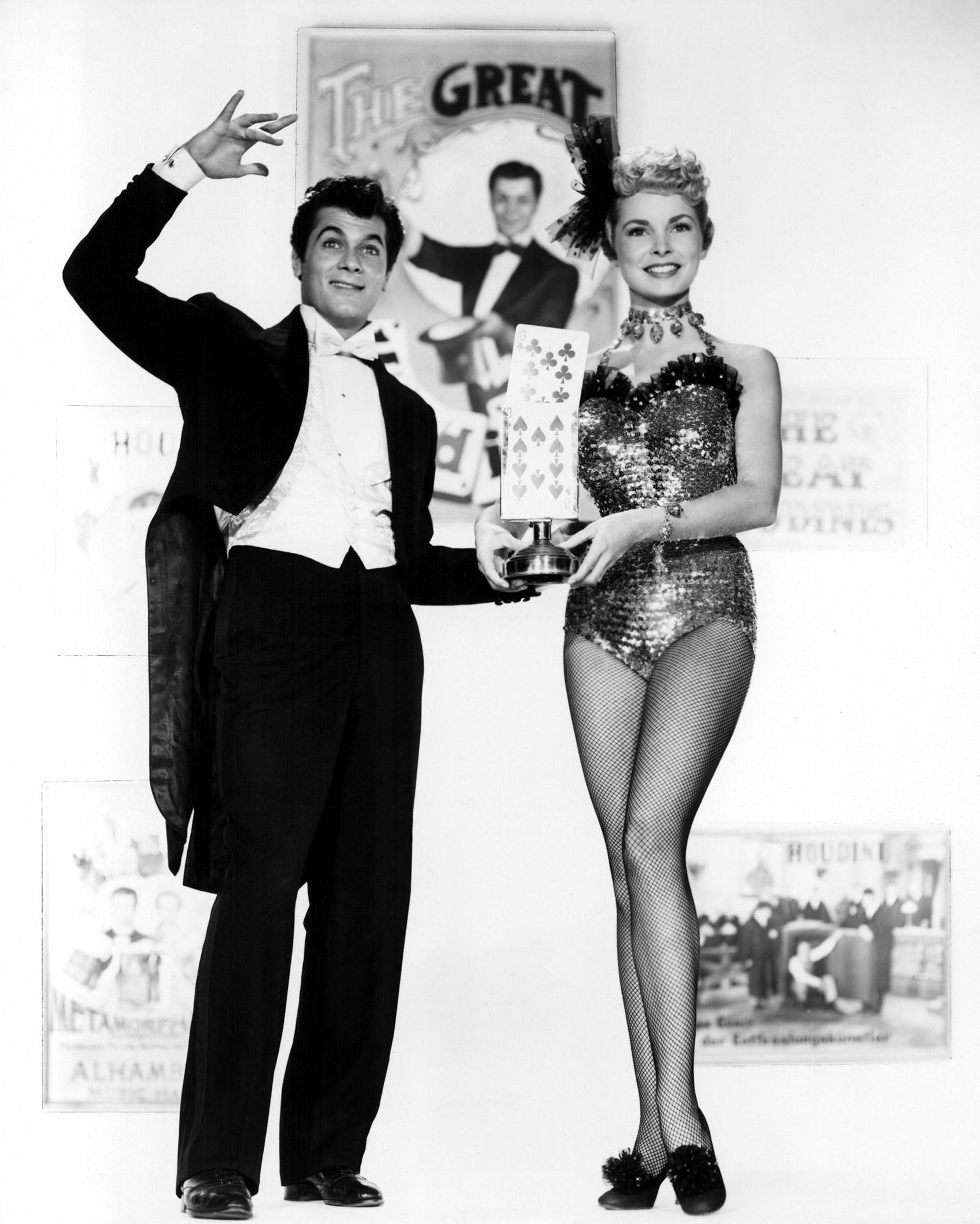
Vera Miles, Vera-Ellen, Mitzi Gaynor

Vera-Ellen, Vera Miles, Mitzi Gaynor
– I think the thing that is funniest is that two of the women have the same first name.  I can tell the difference between them, but you have to admit they all look very similar. All three women are very thin, blonde and rather tan. Vera Miles had one of her first acting roles on the TV show “Alfred Hitchcock Presents” and looked very similar to Vera-Ellen because she was thinner than I had ever seen her.   However, all three women had different careers.
Vera Miles stared mostly in dramatic roles, and occasionally in bit parts on TV (like a romantic interest for Fred MacMurray on “My Three Sons“) .  After Grace Kelly, she was Alfred Hitchcock’s favorite actress, according to IMDB. Unfortunately, she had to turn down roles because she was pregnant. Miles is still living.
Vera-Ellen was a ballet dancer and was in several musicals. In earlier movies like “On the Town,” Vera was thin, but looked healthy. In later movies, like “White Christmas,” she was almost dangerously thin, because she was anorexic. She had the smallest waist in Hollywood in the 1940s and 1950s and suffered from early aging because of anorexia ,according to IMDB, so you will notice that she wears turtle necks to cover it.  After she retired she had severe arthritis and was practically a recluse, dying in 1981.
Mitzi Gaynor is best known for her role in movie musicals like “South Pacific.” Though she didn’t have a tremendous career, she was very successful with her comedic, musical variety TV specials in the 1960s and 1970s. Currently, Mitzi is performing a one woman show. 0

Anne Shirley and Olivia de Havilland

Anne Shirley and Olivia de Havilland
-Anne Shirley  never had the same star power or acting skills as Olivia de Havilland, but you can’t deny their similar appearance. Particularly the way Anne Shirley looks in “The Devil & Daniel Webster.” The two starred together in the irritating comedy “Government Girl” (a movie that de Havilland hated and had to make because of contractual agreements. She purposefully acted ridiculous in the movie).


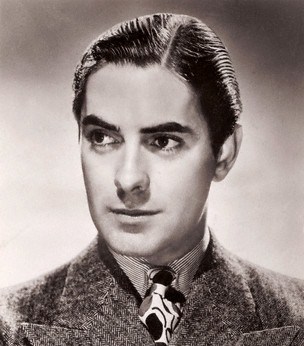
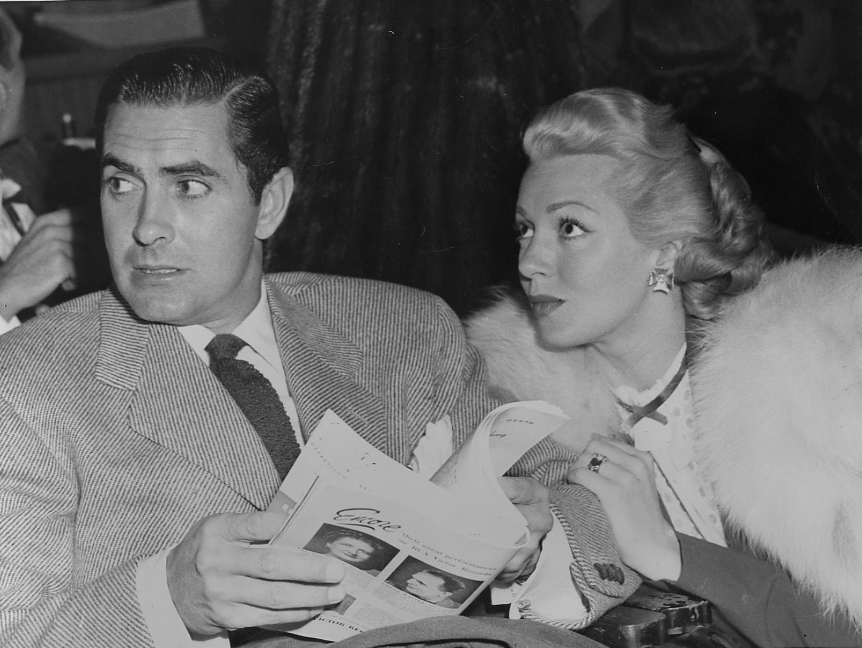
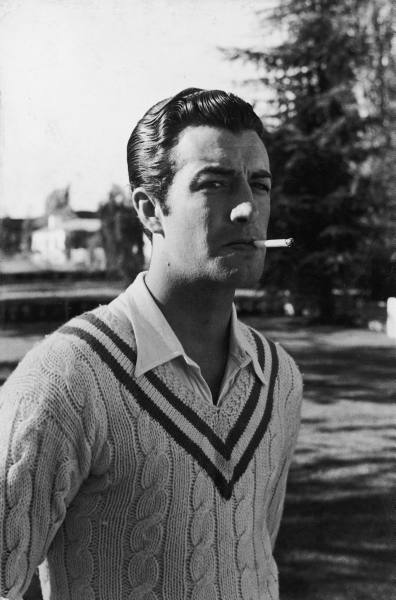
John Carroll and James Craig

John Carroll and James Craig
– Both men played small romantic roles in the 1940s when most of the lead actors like Clark Gable and Robert Taylor were fighting in World War II. Carroll starred with Esther Williams in “Fiesta ” (1947) and “Flying Tigers” (1942) with John Wayne. Craig was in several “feel good” movies in the 1940s like “Our Vines Have Tender Grapes” (1945) with Margaret O’Brien and “The Human Comedy” (1943) with Fay Bainter.

Joan Blondell and Ann Sothern

Joan Blondell and Ann Sothern
-In the 1930s, Joan Blondell had a curvy, sassy look of her own; pretty but also comedic. In the 1940s, Blondell was a bit more curvy and switched from the tight 1930s hair styles to long and wavy. Her 1940s look was similar to Ann Sothern, who also was a bit curvy. Both actresses can be found in light comedic roles.

Names that confuse:

-Reginald Gardner, Reginald Owen, Reginald Denny (I’m still not sure which is which sometimes)

-Eleanor Parker and Eleanor Powell

-Margaret Sullivan and Maureen O’Sullivan

-Connie Stevens and Stella Stevens

What actors do you confuse? What names can you not remember?  Let me know!

Check out the Comet Over Hollywood Facebook page and Radio Waves Over Hollywood Facebook page for “Comet’s” radio show.

Guest star on “Radio Waves” Sept. 23 show

Cecil B. DeMille as the host of Lux Theater

For the 4th time, “Comet Over Hollywood” will be streaming live Thursday night from 6 p.m. to 8 p.m.

Topics for Sept. 23:
-Pin-up actresses (with special mystery guest)
-Weddings in movies
-Revealing of my Halloween costume
-And more…

So be sure to listen at 6 p.m. to 8 p.m.  live stream on www.winrfm.com (go to Listen Live) or  the old WINR website.

call in at 803-323-2122, whether you know me or not, to contribute to the discussion.  I would love to hear from you!

P.S.) A real, non-radio related blog post is in the works so don’t be discouraged!

Check out the Comet Over Hollywood Facebook page and Radio Waves Over Hollywood Facebook page.
Thursdays at 6- “Comet” radio show

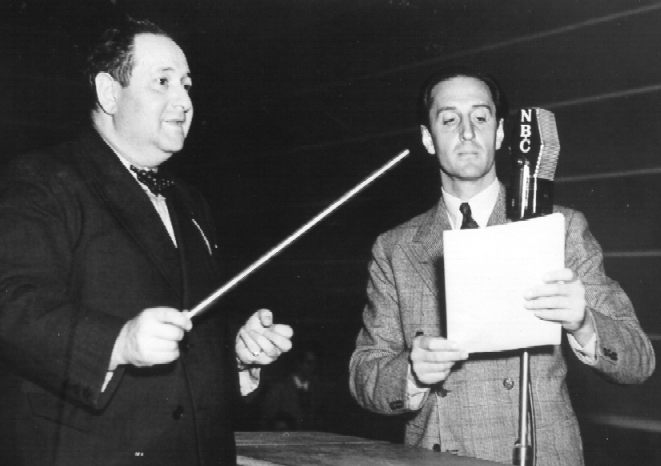
Host of Lux Radio Theater, Cecil B. Demille with Fred MacMurray, Bette Davis and Mae Robson

For the 3rd time, “Comet Over Hollywood” will be streaming live Thursday night from 6 p.m. to 8 p.m.

Topics for Sept. 16:
-Movies that make me cry
-Silent movies talk
-How I became a crazy movie fan
-And more…

So be sure to listen at 6 p.m. to 8 p.m.  live stream on www.winrfm.com (go to Listen Live) or  the old WINR website.

call in at 803-323-2122, whether you know me or not, to contribute to the discussion.  I would love to hear from you!

P.S.) A real, non-radio related blog post is in the works so don’t be discouraged!

Check out the Comet Over Hollywood Facebook page for the latest updates.

Broadcasting “Comet Over Hollywood” live

Joel McCrea and Claudette Colbert performing "Hand Across the Table" in 1937 on Lux Radio Theater.

Once again, “Comet Over Hollywood” will be streaming live Thursday night from 6 p.m. to 8 p.m.

Every week I will post reminding you to listen and updating you on the topics that will be discussed.

I am a Mass Communication-Journalism student at Winthrop University in South Carolina and have my own show on Winthrop’s radio station, WINR.  The radio show is called “Radio Waves Over Hollywood” and is in connection with this blog. Each week I will talk about classic film related topics, go into more depth with some of my blog topics and play music from old movies.

A few topics for September 9:
-Hollywood heart-throbs (Men. Pin-up girls coming soon)
-Classic film in today’s pop culture
-Silent movies talk
-A couple new weekly segments
And more…

So be sure to listen at 6 p.m. to 8 p.m.  live stream on www.winrfm.com (go to Listen Live) or  the old WINR website.

Also feel free to call in at 803-323-2122, whether you know me or not, to contribute to the discussion.  I would love to hear from you!

Check out the Comet Over Hollywood Facebook page for the latest updates.
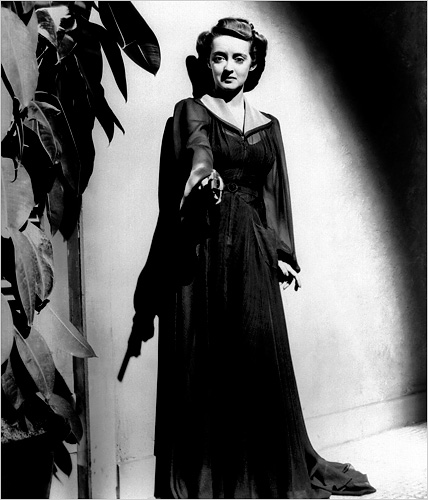
On the air with ‘Comet Over Hollywood’

Joan Crawford on Lux Radio Theater

‘Comet Over Hollywood’ is going to be streaming live on Thursdays from 6 p.m. to 8 p.m.

Some of you may know that I am a Mass Communication-Journalism student at Winthrop University in South Carolina. All students at Winthrop have the opportunity to apply to have a show with Winthop’s radio station, WINR.  I wanted a radio show to help broaden my journalism skills and get an opportunity to talk more about my favorite topic, classic films.

Starting this week until the end of the semester in December, I have a radio show called “Radio Waves Over Hollywood” which will be linked to my blog. I will discuss old movies along with playing songs from old films and musicals, particularly from my six disc “That’s Entertainment” boxset.

I also hope to bring in friends and Winthrop students who are fellow classic film enthusiasts that could discuss films with me. You already can look foward to a debate I have lined up: Buster Keaton or Charlie Chaplin.

What’s great about the radio show is that you can listen online and get a more personal feel about my movie interests rather than just reading my rants. You can leave comments on the blog that I can answer on air or you can even call and talk to me personally on the air at 803-323-2122!

I plan to post every Wednesday or Thursday and tell you a few of the planned topics for the evening.

A few topics for September 2:
-College in the movies
-Discussion of Latin culture in films
-Remakes vs. Original

I also will be playing music and feel free to call in (803-323-2122) and give your opinion about anything I say.

So tune in on Thursdays from 6 p.m. to 8 p.m.  live stream on www.winrfm.com (go to Listen Live.  If it doesn’t work, you may need to download something to trouble shoot or you can go to the old WINR website) or Channel 99 if you live on campus.

Check out the Comet Over Hollywood Facebook page for the latest updates.

Actress Beauty Tips #4: Nivea moisturizing

This is the fourth installment of our monthly classic actress beauty tips that I have read about AND tested.

Lana Turner in “The Postman Always Rings Twice” (1946)

Lana Turner was one of the most beautiful women in films, and she also had flawless skin. For being rich and glamorous, Lana had surprisingly modest beauty regiments.

Along with using inexpensive Boraxo powdered soap as an exfoliant, Lana used Nivea Creme lotion to moisturize. According to her daughter Cheryl Crane’s book “LANA: The Memories, the Myths, the Movies,” Lana used the creme right after she got out of the shower to keep her skin soft, flawless and smooth. Marilyn Monroe also used Nivea Creme.

In some posts I give a “how to” portion but there is really no rhyme or reason on how to use Nivea. From what Crane says in the book, Lana would apply the creme all over her body right after getting out of the shower.

I started using Nivea in December after reading Lana used it and think that it is better than any other moisturizer or lotion that I have ever used. I have an issue with very dry ankles, elbows and knees and no other lotion has made them as smooth as Nivea does.

I will say, Nivea Creme is rather thick and sticky. It takes a little longer than a regular lotion to rub in and also takes longer to wash off of your hands. However, it will last all day once you put it on. I even feel like it helps reduce leg shaving.

I use the traditional Nivea Creme along with a Nivea chapstick and Nivea Soft, which is the same as Nivea Creme, just lighter and less thick and sticky.

To review: Ask anyone I know, I call Nivea the miracle lotion. I am a huge fan. I figured if Lana used it, it had to be good and I was right.

Check out the Comet Over Hollywood Facebook page for the latest updates.
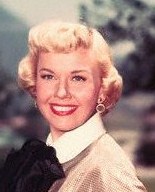
RIP Patricia Neal

Patricia Neal in the 1960s

The first time I ever saw Patricia Neal was in the Waltons Christmas movie “The Homecoming: A Christmas Story” (1973). In the Waltons pilot, she wasn’t glamorous and was a mother of seven children and living on a farm during the depression.

Many people remember Neal as being sexy in her own way but never glamorous. Paul Newman wanted her in “Hud” and George Prepard used her in “Breakfast at Tiffany’s” but many forget her early days as a studio actor.

She was groomed as a Warner Brother’s glamour girl and was dubbed the “next Garbo” by Jack L. Warner, according to Stephen Michael Shearer’s book “Patricia Neal: An Unquiet Life.”

Her first role was a romantic, screw-ball comedy with Ronald Reagan, “John Loves Mary” (1949). It was a role that was more suited for Jane Wyman or Eleanor Parker and Neal looked uncomfortable in the role. Neal was a stage actress who entered the studio scene after World War II. She was too late for that type of role, because they were on their way out.

Glamorous Patricia Neal

“Her way with a gag line is painful,”said Bosley Crowther, New York Times critic from 1940 to 1967, about “John Loves Mary“.

After her role in “The Fountainhead” (1949) and several other mediocre films, Neal’s Hollywood career waned and Warner Brothers did not want to renew her contract, according to her New York Times obituary. She went back to acting in plays, but came back with a bang in “A Face in the Crowd” (1957).

Like Dennis Hopper, I like to remember Miss Neal in her glamour days at Warner Brothers, no matter how bad her films were. (I will say I didn’t mind the “Washington Story” but maybe that is because Van Johnson was in it). I suppose, I like to remember her from that time, because it is often forgotten and I simply like the 1940s and 1950s better than the 1960s.

I think it’s important to explore the early part of a great actor’s career, because it is amazing to see where they ended up.

Farewell, Patricia. You were a great actress and will be missed.

Did you know?
-Patricia Neal and writer Roald Dahl were married from 1950 to 1983.
-She suffered from a stroke in the 1960s while she was pregnant and was only 39 and had to learn how to walk again.
-She is the mother of 5 children.
-She and Gary Cooper had a torrid affair during the filming of “Fountainhead.”
-She was offered the role of Mrs. Robinson in “The Graduate” but turned it down due to her stroke.
Source: IMDB and New York Times

Check out the Comet Over Hollywood Facebook page for the latest updates.
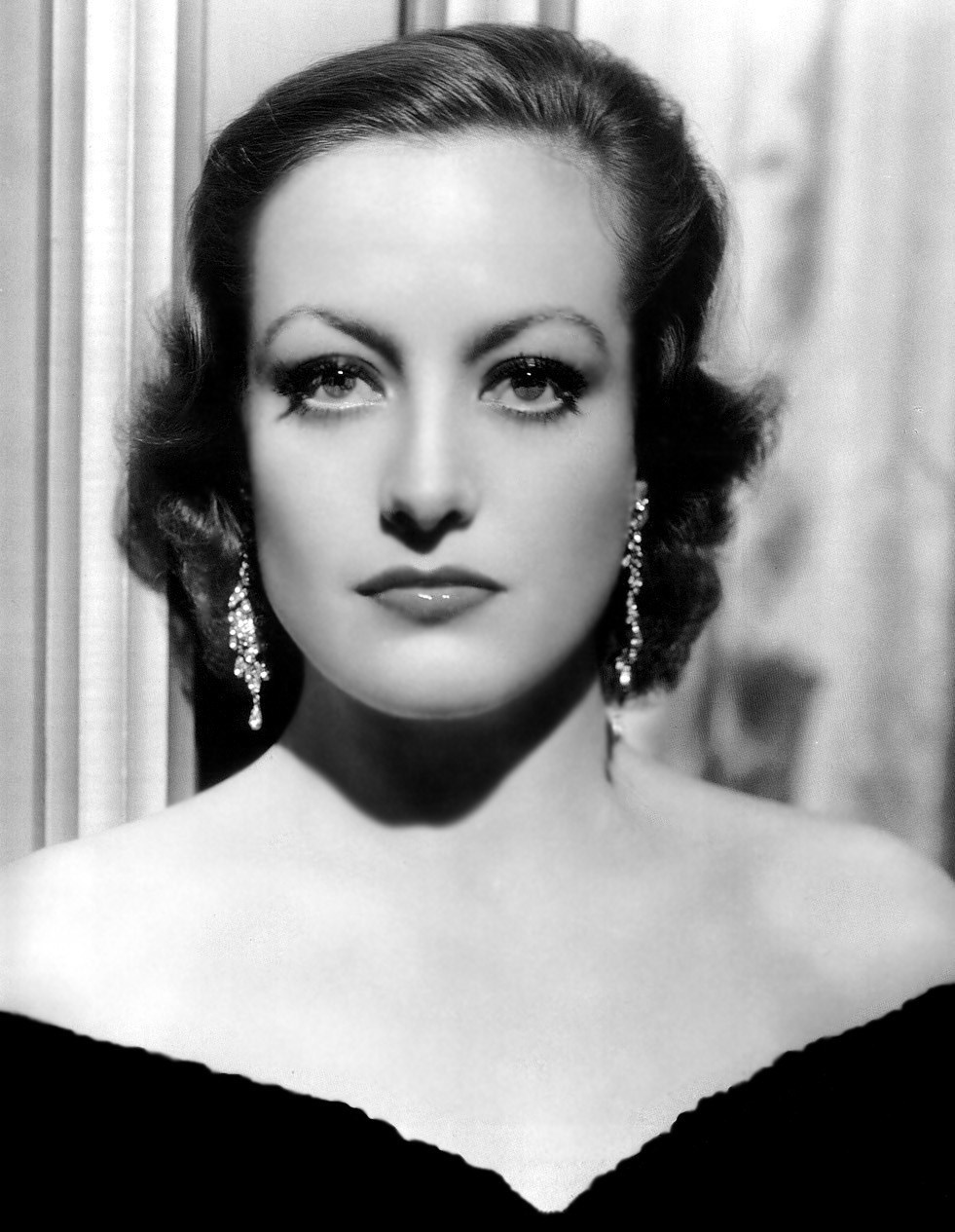
Actress Beauty Tips # 3: Cold Cream Cleansing

This is the third installment of our monthly classic actress beauty tips that I have read about AND tested.

Gina Lollobrigida cold creaming in 1953

This post is a bit different. The last two beauty tips I found after reading up on old actresses’ beauty secrets. This beauty tip was one I have observed being practiced by numerous actresses in films.

LIFE photographer Walter Sanders putting cold cream on Betty Grable’s famous legs in 1943

Who hasn’t seen a film that an actress is slathering her face with cold cream as she is getting ready for a night on the town,  going to bed or getting a facial in an upscale salon?  I know Jean Harlow has her face covered in cream as she is at a beauty parlor in “Red-Headed Woman” (1932) after working her way up in society by nabbing a rich man, and I’m sure that several women are getting facials with cold cream in the upscale beauty spa “The Women” (1939).

Early in my high school years, I saw these perfect actresses with the cold cream facials and thought, “Maybe that would work for me.” I tried it a few times, found that my skin would feel softer and cleaner, but never made it part of my nightly ritual.

This summer I would come home after a hot day at my internship at a newspaper feeling greasy, dirty and like my make-up was caking on my face. Previously, I read in teen magazines like “YM” that you should wash your face twice: once to get off the make-up and once to clean the skin.  (I generally just wash my face with plain soap and water-either Ivory soap or a gentle Neutrogena bar soap).

Even after washing my face twice I still was breaking out and felt dirty. I remembered the actresses cleaning their skin with cold cream and decided to do the same.

Cold Cream Cleansing:

Cold creaming up my face

1.) Find a jar of cold cream. A large jar is probably $5 or $6, but it lasts forever. I use Pond’s cold cream; it’s very smooth and creamy.

2.) With your skin dry, lather your face up with cold cream. I apply it pretty liberally in order to have enough to rub into my skin.

3.) Rub, pat and smooth the cold cream on your skin. If I’m washing it off immediately I sometimes close my eyes and rub it over my eyelashes to get eyeliner and mascara off.

4.) Rub the cold cream into your skin as long as you want. It’s not going to sink in like lotion. I generally rub it until it turns to a slick, greasy consistency.

5.) Wipe or wash off. If you simply wipe your face with a dry tissue or wash cloth, you will still feel greasy depending on your skin type. I have oily skin so I wash off the cold cream.

6.) After washing off the cold cream, I follow-up with a second washing to make sure all cold cream and make-up residue is gone.

7.) Your skin will be left feeling fresh, clean and soft.

To Review: After cleansing with cold cream almost every day this summer, my skin has been clearer and smoother. I was in Minneapolis, M.N. for a few days last week and came home broken out. My skin is pretty sensitive, so sometimes water in different areas in the country causes me to break out. When I came home, I lathered up with cold cream and scrubbed with Boraxo and was back to normal.

Check back September 1 for the next beauty tip!

P.S. I have to apologize for not giving an update for on a follow up test of champagne hair rinsing. I might do a mid-month beauty tip and a half for that. I haven’t had a chance to test it again, sorry guys.

Happy cold creaming!

Check out the Comet Over Hollywood Facebook page for the latest updates.
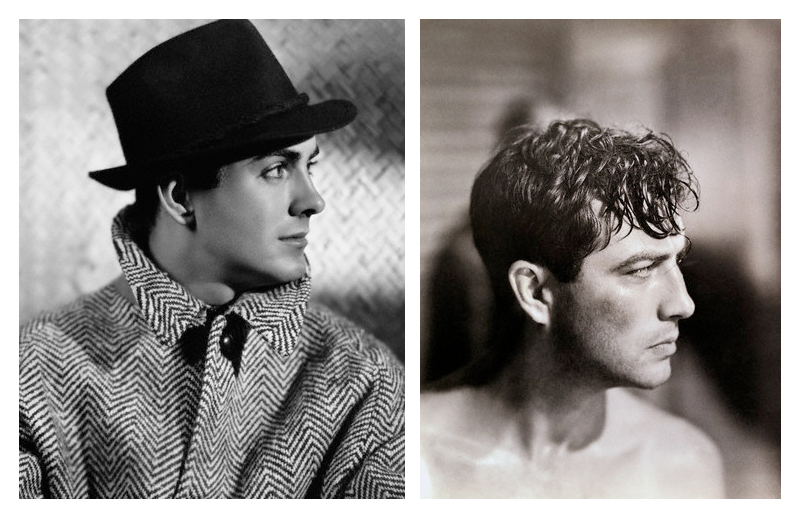
Evolution of a classic film fanatic

It started with a girl named Maria and a boy named Tony who thought something was coming. That’s what I usually tell people when they ask how I became a classic movie fan: it happened on a fateful March evening in 2003 when I saw “West Side Story” (1961). I became obsessed, end of story.

But my “West Side Story” obsession (which is a whole other blog post) isn’t even close to where my classic film education began. Let’s travel back in time to 1988, the year I was born. Or maybe 1991, I would have been a bit more coherent to films at age three.

My parents introduced my two older sisters and me to classic film at an early age. Some of these movies were Disney movies like “Lady and the Tramp” or “Swiss Family Robinson” or family friendly movies like “White Christmas” and “Yankee Doodle Dandy.”

Tom Drake and Judy Garland in “Meet Me in St. Louis” (1944)

I  distinctly remember watching “Meet Me in St Louis” when I was five or six and thinking that Judy Garland looked pretty or laughing at Julie Newmar’s name “Dorcas” in “Seven Brides for Seven Brothers.”

Basically classics have always been in my life, but as a child I never realized that they were old and thought all of these wonderful movies were brand new.

My real interest in movies started when I was in third grade and I saw the cartoon version of “Anastasia” on a rainy November day in 1997. No this isn’t a classic movie, but it started a long line of movie obsessions to come.  I mean, I even thought I was somehow the lost princess Anastasia Romanov. I was hooked.

Fast-forward to middle school. I became interested in shows on TVLand, The Monkees and 1960s pop culture. I was interested in anything old, and naturally gravitated towards movies, which is probably where it all began.

But the real gateway drug to the classic film addiction was “West Side Story” (1961). On an evening in March 2003, my dad said, “You like musicals and old movies; you should see ‘West Side Story.’” He later said he created a monster and wasn’t joking at all.

Richard Beymer and Natalie Wood in “West Side Story” (1961), the film I was obssessed with for two years.

From “West Side Story,” I snowballed into a musical love and I went out of my way to tape them off the television. I started a new musical list that is  still growing at 390 titles.

I then found actors I liked, like Doris Day and Jane Powell, and wanted to see their movies and the interest just grew and grew and grew. Now, I’m not obsessed with one particular actor or movie, it’s more that I’m crazy about the whole classic film shebang.

As a rule I only watch movies from the beginning of film to the mid-1960s. Pre-code movies are great because their vulgarity is done in a tongue-and-check way that sometimes can go by unnoticed if you aren’t paying attention. Once you get into the 1960s and beyond, the plots run thin in an attempt to be artistic, nudity isn’t rare and morals go out the window. Also actors from the Golden Era were fading away and the studio system was crumbling.

I guess if I had to make an analogue with how it all started, “West Side Story” would have been that first beer that led me into old movie alcoholism. It didn’t matter what I watched as long as it fulfilled my movie viewing needs. I think my viewing is a bit more mature than that now. Sure I still watch a few clunkers, or watch a stinker movie for the sake of fulfilling a classic actor list (like “Night of the Demon” for Dana Andrews) but it is just all part of the experience.

What kind of movie fan am I now?

•I make monthly lists from Now Playing to tape; usually 30 to 40 movies a month. We use A LOT of VHS tapes.

•I only buy books, paper dolls, posters or anything of that nature that is movie related. I often search Ebay for classic film memorabilia, and as much as I would enjoy Lana Turner’s evening bag from “Imitation of Life”, as a 21-year-old college student, that really isn’t in my budget.

•I don’t have any real obsession now. I have my favorite movies, actors and actresses but no one that I hyperventilate over when I think about them. I guess the only movie that would come close to that is “Since You Went Away” or the actor Van Johnson.

•I want to meet Robert Osborne one day. He is my hero and I think we would

Robert Osborne: My hero

be best friends. Robert, if you just happen to be reading this, let’s meet in Atlanta and have lunch, okay? I’m just in South Carolina so it’s not that far.

•I’ve come to realize that the Hollywood I dreamed about in middle school and early high school is non-existent now. I used to dream about going to Hollywood and thinking it would be like it was during the Golden Era: clean, historically preserved and bowing down to Hollywood greats like Joan Crawford. My family took a family vacation there in 2006 and I’ve realized there is nothing for me there. Hollywood is not interested in preserving history, and even though the Hollywood Bowl was cool, it’s not like Kathryn Grayson will be singing a concert there ever again.

Check out the Comet Over Hollywood Facebook page for the latest updates.
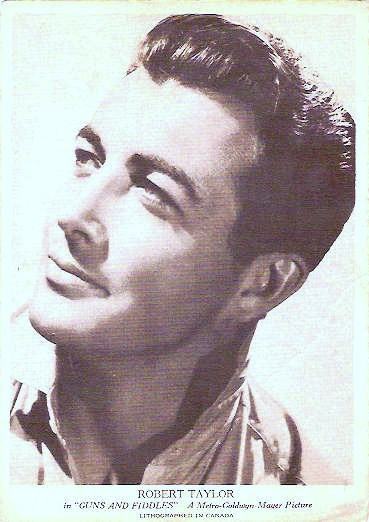
I’m ready for my close up: Photography in films

Photography and moving pictures walk hand-in-hand, especially when shooting in black and white. Many people prefer color and dismiss black and white as cheap. However, some don’t realize the skill it takes to shoot black and white: making sure you have perfect lighting or having the shadows just right are just a few things to consider.

For being so closely related, it’s surprising that there aren’t many classic films about photography. I was only able to find an handful:

James Stewart in “Rear Window” spying on his neighbor

1. Rear Window (1954): James Stewart plays L.B. “Jeff” Jeffries, a free lance photographer who is laid up with a broken leg that was a result of a dangerous assignment. I’m not sure if this movie paints photographers in the best light. Jeff is in love with high society Grace Kelly but doubts that she could go on assignments with him even though she says she could. Jeff is also a bit of a peeping Tom, spying on his neighbors with his telephoto lens.
However, his peeping Tom-ery isn’t all bad since he uses it to solve a murder that he partially witnesses in an apartment across the way. Jeff cleverly mixes his career and survival techniques as he thwarts the murderer by blinding him with flash bulbs.

2. Roman Holiday (1953): The movie is more about  journalism than a photography, but the photographer certainly plays a large part in the film. Journalist, Joe Bradley (Gregory Peck), is trying to get an exclusive story on a visiting princess (Audrey Hepburn) who just happens to be staying in his apartment.
Eddie Albert plays Peck’s photographer friend who tags along to get the photos for the story. This movie seems to depicts photographers as deceitful playboys. When Peck calls Albert about the story, Albert is photographing and kissing a woman in his apartment. When he is getting pictures of the princess, he doesn’t openly take pictures of her but uses sneaky little spy cameras. A real photographer wouldn’t be so afraid…
Actually, from a journalism student’s point-of-view, it doesn’t paint the newspaper business in a good light either. It has the “anything for a story” undertones and Peck goes to unethical measures to get a story. Even though he doesn’t publish it, if he was doing that in today’s journalism world he would probably face a law suit.

Audrey Hepburn and Fred Astaire in “Funny Face.” Their characters were modeled after Richard Avedon and Dovima.

3. Funny Face (1957):

This movie is simply about fashion photography. It has many interesting and pretty scenes with fashion, dresses and dancing. The thing I like about the movie is that Fred Astaire’s character, Dick Avery, and Audrey Hepburn’s character is supposed to be like the relationship between one of my favorite photographers, Richard Avedon and his muse, Dovima.
Fashion photography is fun and pretty to look at, but the photographer I can’t imagine it being very exciting. From a journalist/writer view point, it would be like writing the same story over and over again. For example, how does Danielle Steel get any excitement out of writing when all of her books basically have the same plot?


4. Weddings and Babies (1958): This is an independent film about a photographer (John Myhers) who is trying to save money in order to get married to his girlfriend, Viveca Lindfors.
I think this movie gives the most realistic depiction of a photographer. He feels unfulfilled because he is only taking pictures of just weddings and babies and wants to do something with a purpose. I’ve heard several photographers say that, others take the wedding route because it’s easier and pays well, but the ones with a drive don’t care so much about the money.
My philosophy of photography is that it should inform just like a newspaper article. You can write a story about how the Yanomamo are losing their indigenous life style, but a picture can better show how it is devastating them. Photography should be about truth, not about how to show in the best light.


5. Blowup (1966): This movie is a mod 1960s, English film. If that doesn’t mean anything to you, it means that it’s rather odd, has little plot and a few naked women thrown in for good measure. However, in comparison to the photographer in “Rear Window” who is a photojournalist and travels the world, the photographer, played by David Hemmings, is a successful commercial fashion photographer. He is also bored with life…go figure, wouldn’t you if you were just photographing fashion?
Anyways, the movie is about his career as a photographer, but it is rather long and drawn out. He thinks he might have photographed a murder, but we never really find out and the murder is never solved. It is a treat though to see the beautiful Russian model, Verushka, at the beginning of the film.

Those movies are the only real pre-1970s movies that used photography as a basis of the plot. I was disappointed and surprised that there are so few movies that have main characters playing photographers, since photojournalism was a big field in the 1940s and 1950s due to publications like LIFE that revolved around photography. I just can’t believe that there are so many movies about stewardesses, nurses and architects but so few about photographers.

Here are a few films that the main characters are photographers, but it is not a main point in the plot:

-One More Tomorrow (1946): Anne Sheridan plays a photographer who falls in love with high society Dennis Morgan. The fact that she is a female photographer means she is lower class and could never fit in Morgan’s social circle.

If a Man Answers (1962): Sandra Dee marries photographer Bobby Darin. She plans on keeping her new husband using a dog training book, because she worries about him photographing other women.

Wait Until Dark (1967): Audrey Hepburn plays a blind woman terrorized by men trying to get a heroine filled doll. Her husband in the movie is a photographer.

Check out the Comet Over Hollywood Facebook page for the latest updates.