Sessue Hayakawa: Actor and Mazda

Several people in their 20’s who ride in my car ask “Who is Sessue Hayakawa?”

No, it’s not because they recently watched “The Cheat” (1915), but because that is the name of my 2008 Mazda 3.

My car, named for actor Sessue Hayakawa. It lives outside of the Tribune office for 80% of its time.

When I got my car in October, the car needed a Japanese name that was either World War II or old Hollywood related.

Names like Tokyo Rose and Kamakazi didn’t fit and Anna Mae Wong is Chinese, so the great Sessue Hayakawa, who was born on June 10, 1889, seemed like a good name for my new sedan.

Though several of movie goers mainly know Hayakawa from his most famous role in “Bridge Over the River Kwai;” Hayakawa’s roles in the late 1940s to the early 1960s marked a comeback for the actor.

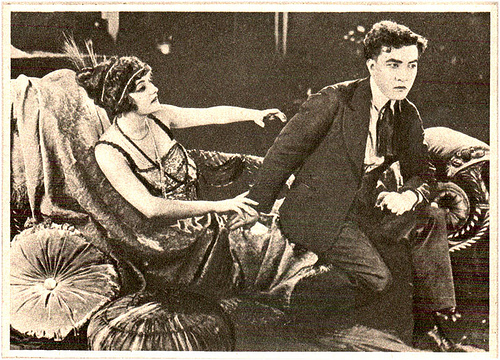
Hayakawa during silent film stardom in “His Birthright” (1918)

Born in Japan to wealthy parents, Hayakawa was the first Asian-American film star in the United States; starting his acting career in 1914.

He became a celebrity after playing an Asian who has an affair with a white aristocrat woman in Cecil B. DeMille’s “The Cheat” (1915). After this film Hayakawa was one of the highest paid actors in Hollywood.

However, by the 1920s, Hayakawa’s career started to decline as Anti-Asian sentiments began to rise in the United States.

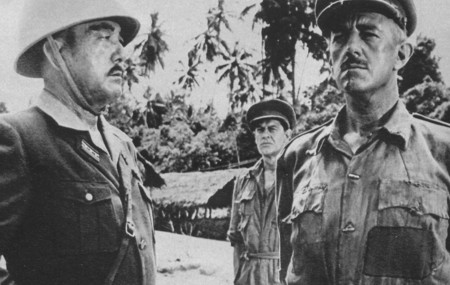
Hayakawa and Alec Guiness in “Bridge Over the River Kwai.” Hayakawa was nominated for Best Supporting Actor.

He was in a handful of films from 1932 to 1947, but made a comeback in Hollywood after World War II. Most of his roles were as a Japanese officer in post-war World War II films such as “Three Came Home” (1950) and “Bridge Over the River Kwai” (1957).

From a pirate in “Swiss Family Robinson” (1960) to romancing the silent era’s leading actresses, Hayakawa could do it all. Though his early, prolific career may be forgotten by most, he still left his mark on contemporary film.

Though the name might be a mouthful, I hope to teach passengers in Sessue the Mazda a little bit of film history while they are along for the ride.

Check out the Comet Over Hollywood Facebook page for the latest updates.

Get a LIFE: Collecting America’s best magazine.

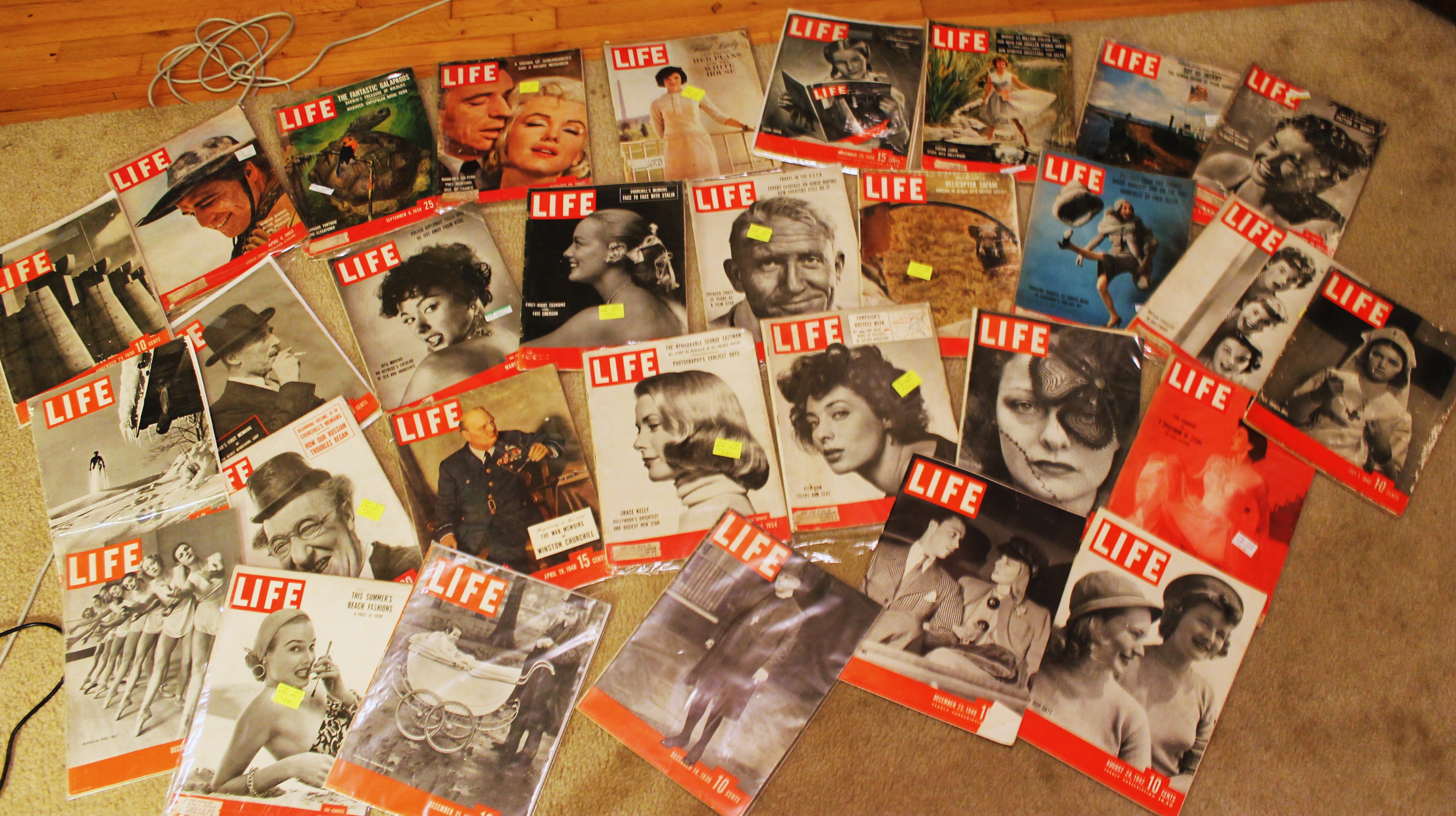
30 LIFE magazines I’ve collected so far, including the first Nov. 23, 1936, issue.

I’ve collected a lot of things during my lifetime.

My parents started a stamp collection for me when I was little, snipping colorful stamps off envelopes of flowers, places and famous people; that’s how I first learned who Grace Kelly was.

Then in high school I started writing to living film stars and collecting their autographs. To date, I have 30 signed photographs from stars like Deanna Durbin, Paul Newman and Joan Fontaine.

But most recently, I’ve decided to mix my love of history, American culture and film by collecting the best American magazine ever published: LIFE.

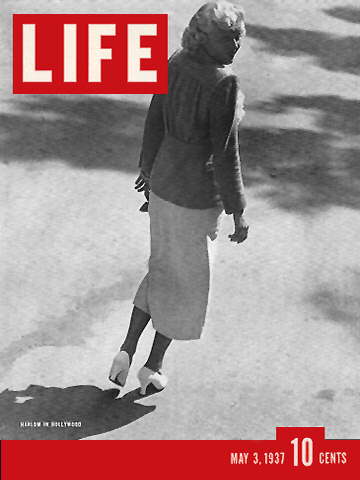
Jean Harlow 1937

Published weekly starting in November 1936 to December 1972, over 1,800 issues of LIFE magazine was printed. It may be crazy that I want to collect the majority of these magazines, but let me explain how LIFE is special compared to other gossip rags.

From its first issue in November 23, 1936, there is an emphasis on film and entertainment with a four page feature on film and stage actress Helen Hayes. But outside of the footlight parade world are photographs of a mangled car that was hit by a train in Wisconsin, a man hit on the head with a blackjack in Philadelphia and a Louisiana couple holding a baby a bulldog carried to their doorstep.

LIFE didn’t just focus on celebrity like People or ridiculous ways to catch a man like Cosmopolitan. The focus of the magazine was much more broad and encompassing of all topics.

Prior to 1936, LIFE was a humorous magazine until Henry Luce obtained the name rights and turned LIFE into a photojournalism magazine. The magazine showed Americans what life was like around the world outside of what they were used to: a Wyoming winter, Metropolitan Opera ballet dancers or Greek soldiers.

Gene Tierney 1941

Some of the most famous film stars originated in LIFE such as Rita Hayworth picnicking on the beach, Marilyn Monroe jumping and looking backwards and old Clark Gable’s portrait during his last film in 1961.

But other than stars, LIFE wasn’t afraid to show horrors and realism such as a dead soldier on the beach of Normandy or somebody injured after a car accident; photos that today would be considered too sensitive.

Each decade went through different transitions:

-Pre-War: Featured several movie stars but also focus on life around the world with pictures of Wyoming winters and Greek soldiers.  During this time period the United States was suffering from economic struggles in the Great Depressions and the magazine offered escapism.

-World War II era: The magazine changed again with the start of World War II featuring soldiers, airplanes, factory workers, and General MacArthur on the cover of the magazines- evoking patriotism as well as a look at what was going on in the European and Pacific theaters.

-1950s to early-1960s: Covers focused on glamour, sophistication, and fun.  Fashion, the English royal family, Marilyn Monroe and UCLA homecomings were some of the covers-all typical of happy-go-lucky consumerism post-war America.

-Mid-1960s to 1972: Covers interpret rapid world changes and the anger during Vietnam era. The covers feature political figures, threatened orangutans in the Rain Forest and Apollo 11 footprints on the moon.

From reading about the making of “Gone with the Wind” to a German shepherd dog nursing tiger cubs, LIFE had it all. No magazine will ever again give American readers the variety that LIFE offered.

To date I have 30 LIFE magazines, so I have a ways to go. But it will be an interesting journey through our past, regardless of how long it takes.

Check out the Comet Over Hollywood Facebook page 

‘Apocalypse Now’ ruins film adaptation plans for SC professor

Winthrop University professor Haney Howell checks his e-mail every Sunday night around 12 a.m. to make sure students’ scripts for the student television show, Winthrop Close-Up, are submitted. He reads them over and sends the scripts back with corrections and feedbacks.

“Don’t forget an Anchor Lead in.” or  “This could be written smoother.” with e-mails signed “Get it done.”

However on May 5, 2012, Howell will be leaving Winthrop with graduating under-grads; retiring after teaching broadcast for over 20 years.

But before teaching students how to properly write a television script, Howell was the journalist one dreams of being one day. Howell’s career in broadcast spans from working as a disc jockey in the mountains of Tennessee as a teenager, evacuating from Cambodia and Saigon, and bringing live coverage from the Vietnam War.

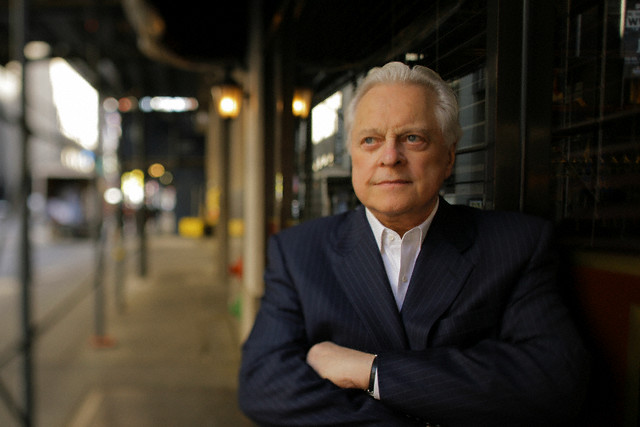
Howell has shared conversations with Robert Osborne on New York bus rides and was friends with journalist, Ed Bradley. He even had a brush with Hollywood.

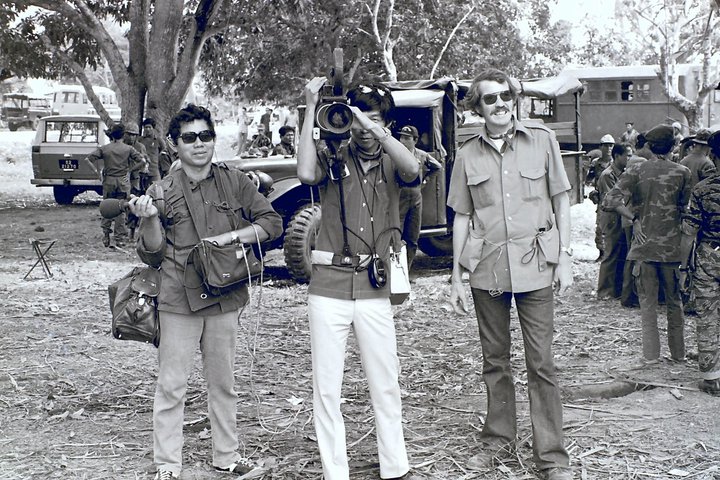
Shooting a story in Cambodia, 1973. Photo Courtesy of Haney Howell

“It all started at a dinner party in New York,” said Howell. “We were telling stories about the Vietnam war. Filmographer Jules Fisher was looking for a Vietnam movie and wanted the stories written down.”

After writing and negotiating, Columbia Studios flew Howell to Hollywood with a $25,000 contract.

 “They put me in the Beverly-Wilshire Hotel with my room overlooking Rodeo Drive,” he said. “Imagine that happening to a country boy from Tennessee.”

Howell ate in exclusive hotel restaurants and was given an inside tour of Hollywood homes inside Larry Gelbart’s Bentley.

Howell spent three days with “Bonnie and Clyde” director Arthur Penn and “MASH” screenwriter Larry Gelbart. The trio spent their time reading, writing and fleshing out the story under a working film title of “Hotel Royale.”

“The writing experience was incredible,” Howell said. “All of my expenses were on Columbia.”

But the Hollywood dream ended.

“The movie project died six months after ‘Apocalypse Now’ came out,” Howell said. “Francis Ford Coppola had a lot of problems with the movie; it went way over budget and it was too early for a Vietnam movie.”

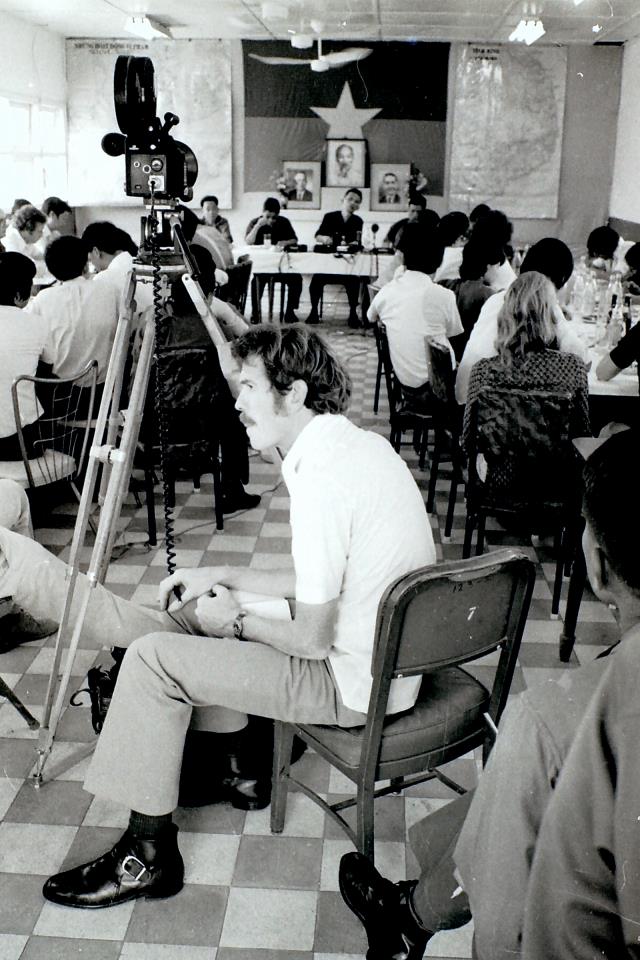
The weekly Viet Cong news conference at Camp Davis on Tan Son Nuet in Saigon. Photo courtesy of Haney Howell

After the movie project ended, Howell adapted the screenplay into a book “Roadrunner,” which was published in 1980. His contact with Columbia allowed novelization rights of the story.

“I took the $25,000 and finished the book,” he said. “I was in a farm house in Normandy, France where we cranked out a chapter a day.”

Howell published “Roadrunners” with Jim Morrison. Morrison, a Green Beret,  wrote “Operation Dumbo Drop” in 1989, which later was adapted into 1995 film. “Roadrunners” is based off Howell’s experiences in Cambodia in the summer of 1973.  The novel is about soldier on the hunt for a gun and ends up getting his girlfriend killed in the process.

“I made ‘Roadrunners’ a novel because I can say its made up, even though its really an autobiography,” Howell said. “You can combine characters in a novel, because I met so many colorful people.”

Howell knew he wanted to write a book ever since he took a creative writing course at Midwestern University.

“I was told there were only two differences between being a published writer: there are the 60 million people trying to get published and you are the six million who have,” he said. “I love seeing my name on the binding on my shelf.”

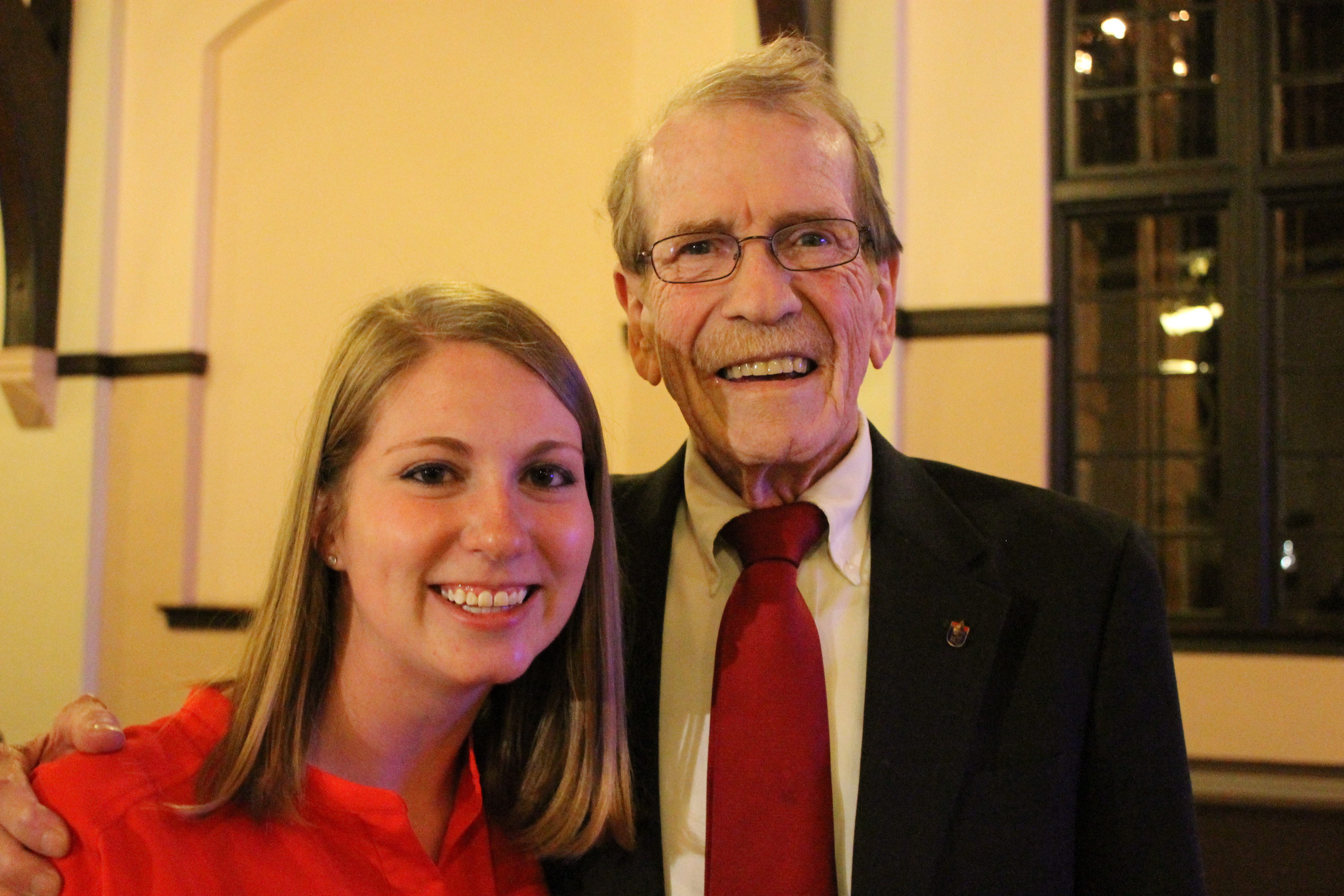
Haney Howell and I at a Mass Communication banquet on April 6, 2012.

   I am proud to say I was a student of Haney Howell, and can call him a mentor and friend. Congratulations on your retirement, you will always be someone I admire. 

Check out the Comet Over Hollywood Facebook page 

My brush with Mary Pickford at Winthrop University

Here is a little post in honor Mary Pickford’s 120th birthday on Sunday, April 8, and the tearing down of historic Pickford Studios earlier this week.

Mary Pickford was Hollywood’s first American sweetheart.  Usually playing little girl roles with long curls and big eyes, though she was in her 20s or 30s. For example, when Pickford played an orphan in “Rebecca of Sunnybrooke Farms” (1917) she was 25.

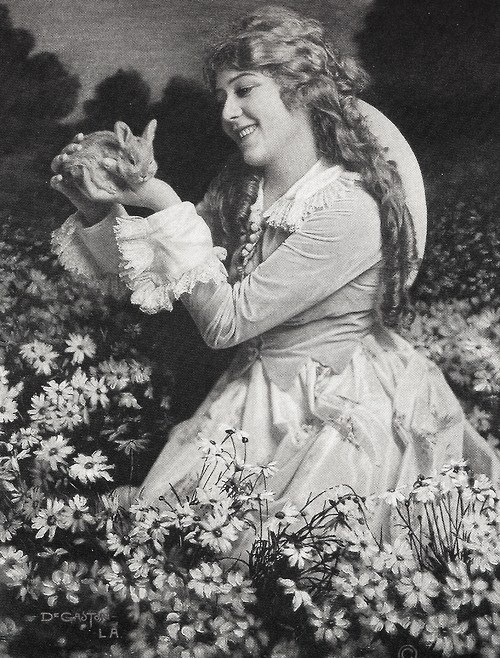
Silent star sweetheart, Mary Pickford

Pickford was Hollywood royalty, marrying top silent star, Douglas Fairbanks, Sr. and then married star of “Wings” Charles Buddy Rogers.

All of this build up of an important star leads to how she fits into my college career. During my senior year of college I took a media ethics class and I wrote a paper on white actors who played ethnic roles in classic film.

I sniffed around Winthrop University’s library and picked up a few autobiographies and biographies. I picked up Mary Pickford’s 1954 autobiography “Sunshine and Shadow” about her film career, thinking of her role as a Mexican-Indian in “Ramona” (1910).

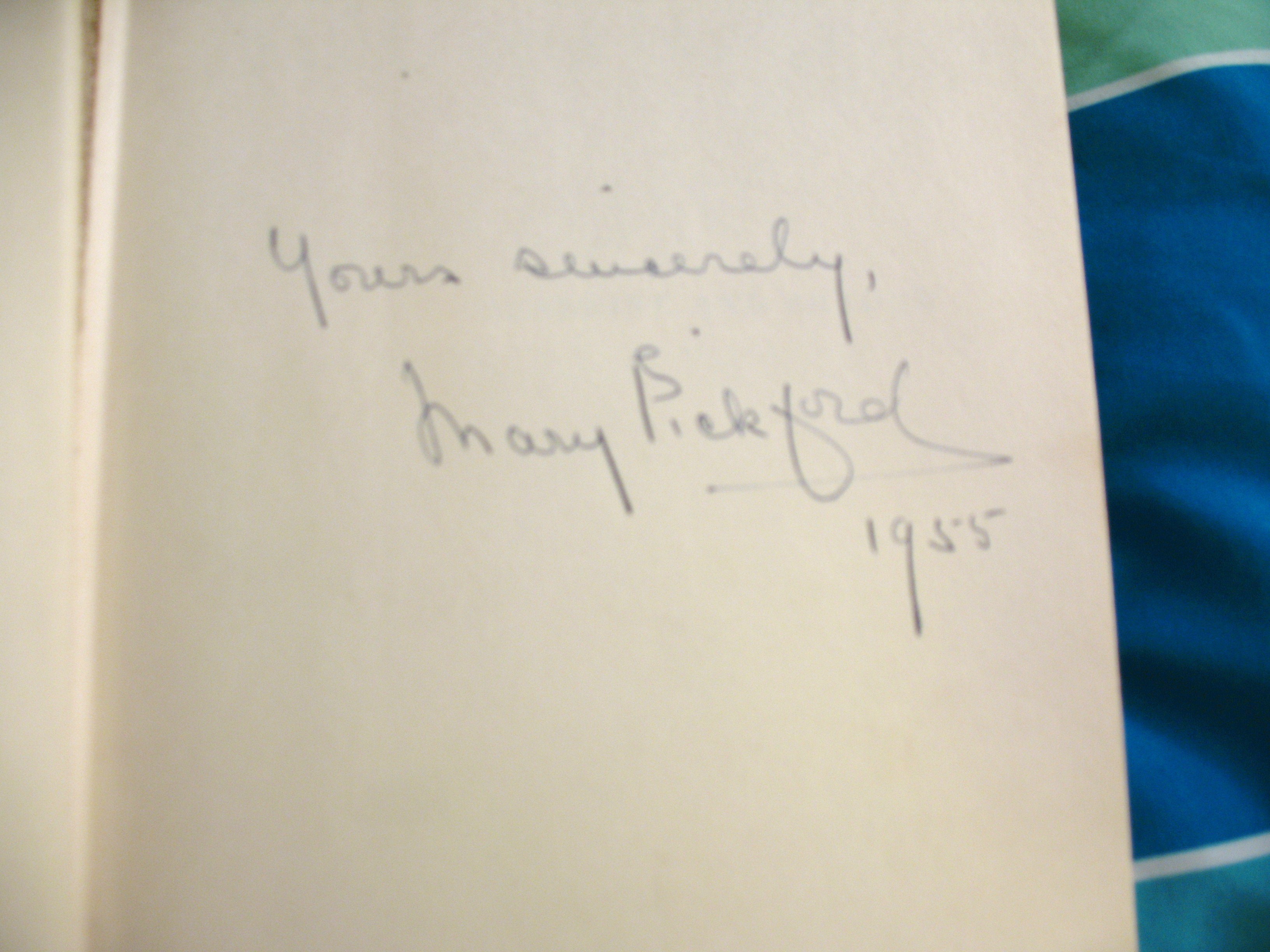
I opened the book and found this:

Mary Pickford's autograph inside a library book at Winthrop University.

Winthrop University’s copy of “Sunshine and Shadows” is AUTOGRAPHED…and it’s down in the basement with other old books that are rarely checked out.

When I found that I ran out screaming to my roommates-though none of them knew who Mary Pickford was-and called my mom. I doubled checked it with other autographs online and it seems to match.

I plotted on how to get the book out of the library, even thought about claiming it was a lost book, which would be a $100 fine. I figured for that price, I could find it on Ebay.  I even asked if I could buy it from the library, but they said no. I don’t know if they realize they have an autographed book from one of Hollywood’s top silent stars.

Happy birthday Mary Pickford! I enjoyed my brush with you at my alma mater.

Check out the Comet Over Hollywood Facebook page 


What does 2012 bring for Comet?

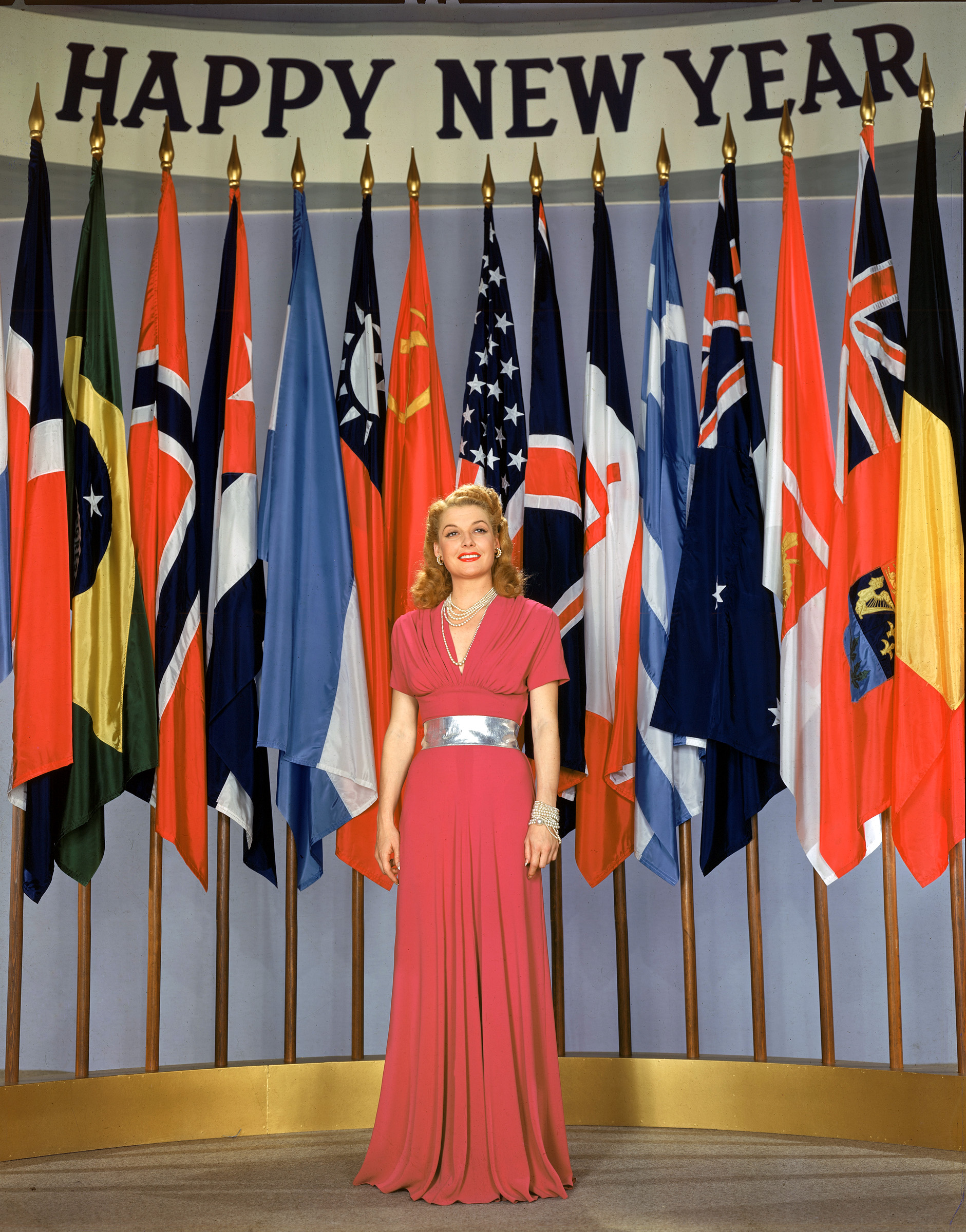
Happy New Year everyone!

I hope everyone has had a great, safe holiday season and are prepared for 2012- if the world does indeed end, please refer to my Mad Max survival post.

Happy New Year around the world from Ann Sheridan and myself.

So what is in store for Comet Over Hollywood in 2012?

A blogathon!

I’ve hinted that I’m planning on doing a blogathon- I’ve actually been thinking about it since this summer, but I was waiting until the holidays ended to formally announce it.

The blogathon will be called “Gone Too Soon” dedicated to actors who passed away before the age of 50, such as Natalie Wood, Jean Harlow, Carole Landis, Bobby Driscol, John Hodiak-just to name a few.

I’m scheduling the blogathon for March 9 and 10.  I will do another post listing rules, banners and the process later on but I would like to go ahead and start gauging interest.

Also in 2012 I plan on doing:

A contest!

I haven’t decided the format yet, but I think I’m planning on doing it in February. More details will come about this too.

Thank you all for reading Comet Over Hollywood this year.  It’s been a really fun year in the blog world, with some really awesome posts and blogathons from my peers. I have to say I think my favorite blogathons I particpated in was the 1939 blogathon, Hollywood Revue’s Fashion blogathon and the Guilty Pleasures blogathon was lots of fun too.

Look for January’s beauty tip soon and more classic film fun.

Check out the Comet Over Hollywood Facebook page for the latest updates.

‘It’s a Wonderful Life’ in Andy Griffith land

Tonight I had my third classic film on the big screen experience- and I have to add it might be my favorite thus far.

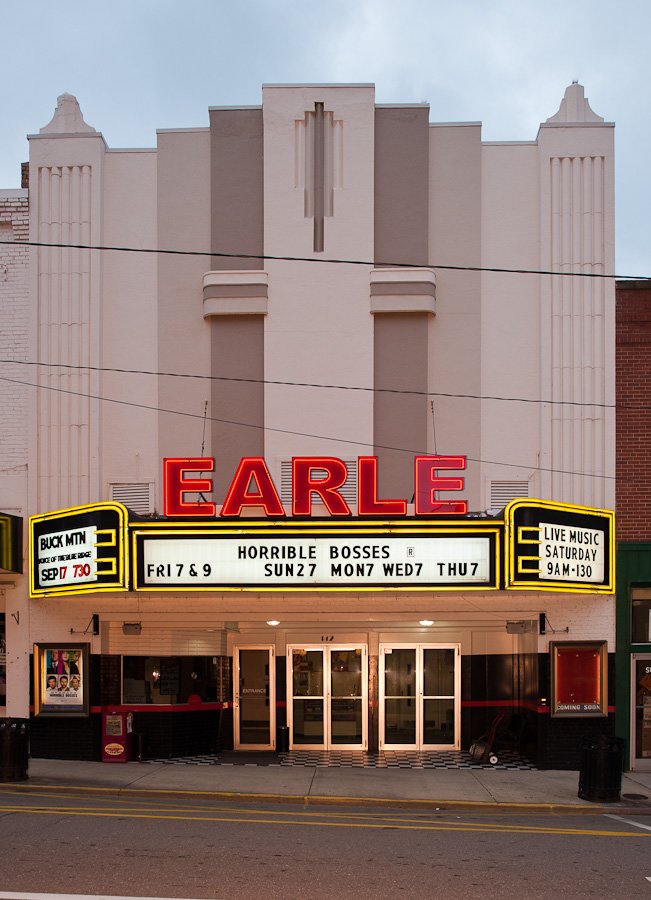
The Earle Theater in Mount Airy, NC. Taken from the Surry Arts Council

I drove roughly 30 minutes with fellow Elkin Tribune reporter, Kristin Zachary, to see “It’s a Wonderful Life” (1946) in Mount Airy, North Carolina.  Some of you may recognize Mount Airy as the town the television show “Andy Griffith” is based off of. The town is full of Andy Griffith related places such as the Andy Griffith Playhouse/mall/Parkway, Opie’s Candy Store or Barney’s Lunch Counter-but I digress, that is another post.

The film was showing at The Earle Theater, built in 1938 and opened in time to show “Gone with the Wind,” according to the Mount Airy News.

I can’t tell you when the last time I had watched “It’s a Wonderful Life.” Though my family owns it, it isn’t a Christmas movie we watch every year like “Charlie Brown’s Christmas,” “Bishop’s Wife,” “Christmas in Connecticut” or “White Christmas.”  I think part of the reason we don’t is because my dad gets very, very angry when Thomas Mitchell loses the money.

I had forgotten what a good movie it was, but then it’s a Frank Capra film so it’s pretty much flawless.

For those who haven’t seen the movie, the film is about George Bailey, played by Jimmy Stewart. He is in a bad place in his life, and his guardian angel comes to help. Before coming down to Earth the angel looks back over George’s life- reviewing events like saving his little brother from drowning, the death of his father and getting married. We see the struggles George Bailey has gone through for his family and how he has had to set aside everything he wanted in life to help everyone else out-mainly to keep his father’s business out of greedy Mr Potter’s hands. Before being visited by his guardian angel, he feels like he has reached the end of his rope and everything he has worked for has been for nothing. Bailey wishes he was never born and Clarence the Angel (played by Henry Travers) shows him what Bedford Falls would be like if Bailey hadn’t been born and how much he has affected everyone around him.

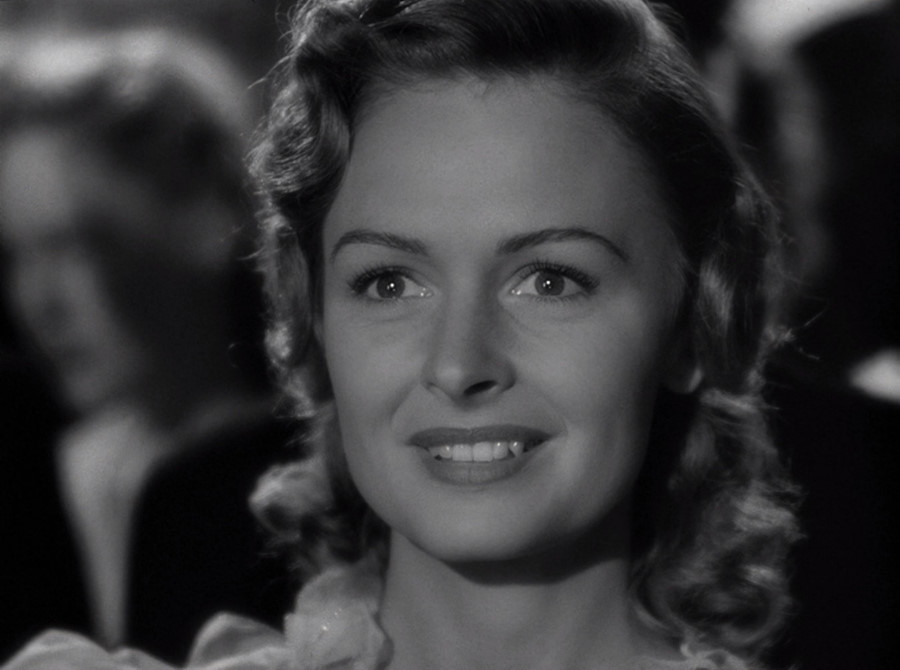
We meet grown up Mary (Donna Reed) for the first time.

Capra has some great camera shots. Most of my favorites were toward the end when George Bailey (Jimmy Stewart) hasn’t been born such as when childhood friend and local hussy Violet (Gloria Graham) is being arrested- the camera is in her face as she is struggling with the cops.  Another shot is  the close up of George Bailey’s face as he is frantically looking around Pottersville/Bedford Falls. Other shots I liked were at the graduation dance with the close up on Mary (Donna Reed) when George first sees her after many years and ( also at the graduation dance) when the two boys (one being Carl ‘Alfalfa’ Schwartz) are planning to open the swimming pool floor.

Some other thoughts I had during the movie:

-The last time I saw “It’s a Wonderful Life” I was probably in late elementary school or in middle school. Sometimes I didn’t understand why George was upset with how his life was going. Now that I’m out of college and have my own ambitions, I can relate to him a lot more.

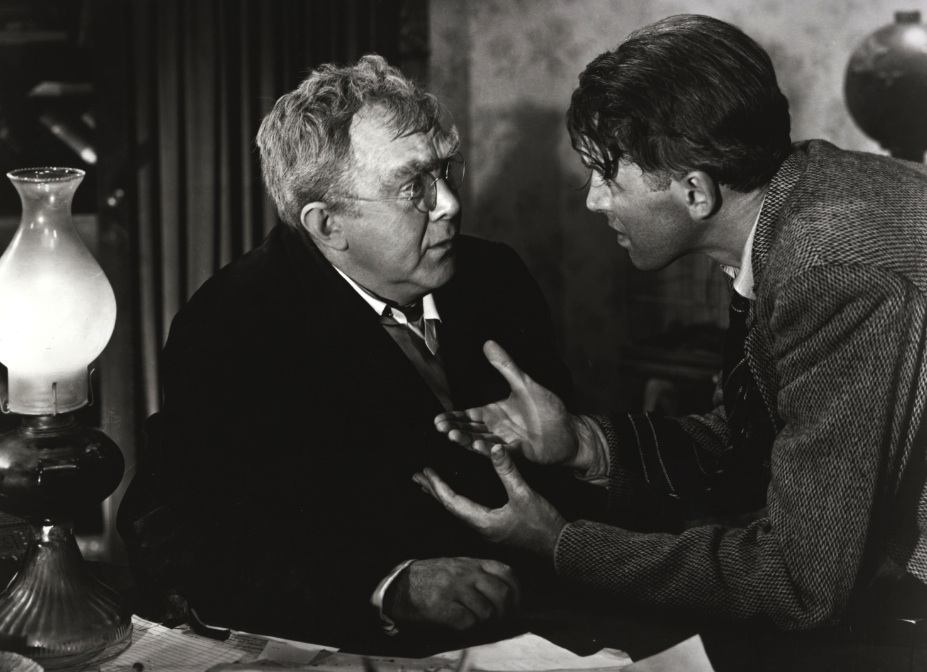
George yelling at Uncle Billy for losing $8,000.

-Thomas Mitchell (who played Uncle Billy) broke my heart. He was so sweet and forgetful and didn’t mean any harm to anyone. I almost died at the part where George is yelling at him and calling him a stupid fool for losing the money and then….Uncle Billy cries….and a squirrel jumped on his arm-further tears from me.  I understand being upset over the loss of $8,000, but who sends the absent minded relative to the bank with that much money?

-I always knew Donna Reed (who plays Mary) was a good actress, but I was really impressed with her acting in this movie. Unfortunately, she wasn’t given the chance at MGM she deserved, because many roles that might have gone to her, went to June Allyson.

-Gloria Graham (who plays Violet) isn’t one of my favorite actresses, but she also does a great job in this movie. It may be my favorite role of her’s.

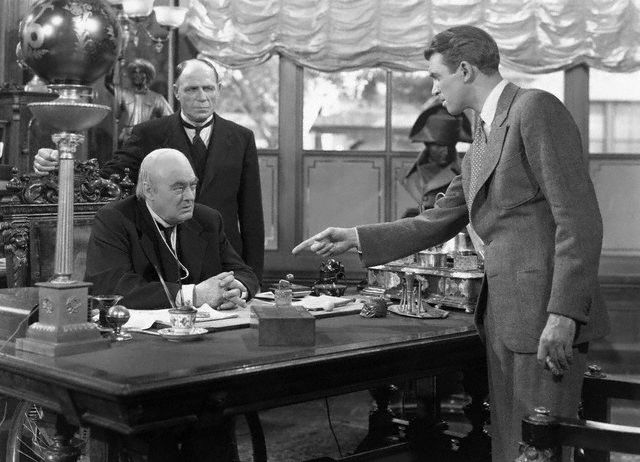
Lionel Barrymore, as Mr. Potter, is the richest, greediest man in town.

-Lionel Barrymore is my favorite of the Barrymores and he sure can play a good bad guy. Barrymore plays Mr. Potter who is the richest man in town, greedy and wanting to have control everything. However, is anyone else bothered by what looks like a bald cap on Mr. Barrymore?

-I never realized how many funny parts were in this movie, either. Kristin and I were cracking up the whole time, particularly because a little boy with a really funny laugh was sitting in front of us. Every time he laughed at the funny parts, we would laugh harder.

At the end of the movie, Kristin and I walked out wiping tears from our eyes and she said, “They sure don’t make movies like that anymore.’

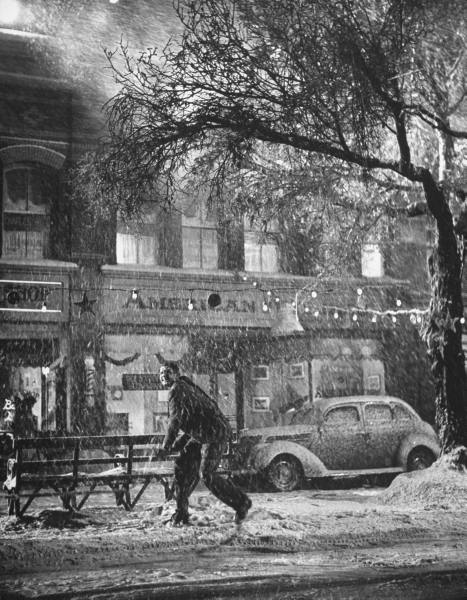
George running through the streets of Bedford Falls thankful to be alive.

Overall, the uplifting film mixed with the small town ambiance of Mount Airy, it was a very lovely experience and is my favorite classic film experience thus far.

Check out the Comet Over Hollywood Facebook page 

The day we’ve all been waiting for: Robert Osborne’s return

This is for the  Welcome Back, Bob! Blogathon celebrating Robert’s return to Turner Classic Movies on Dec. 1. Hosted by Carley (@MissCarley) from The Kitty Packard Pictorial and Will McKinley (@willmckinley).

Robert Osborne returns to TCM Dec.1

Silence always sweeps over my household whenever the prime time introduction begins on Turner Classic Movies. My family likes Robert Osborne, but they also know they might get in trouble if they talk during his words of wisdom.

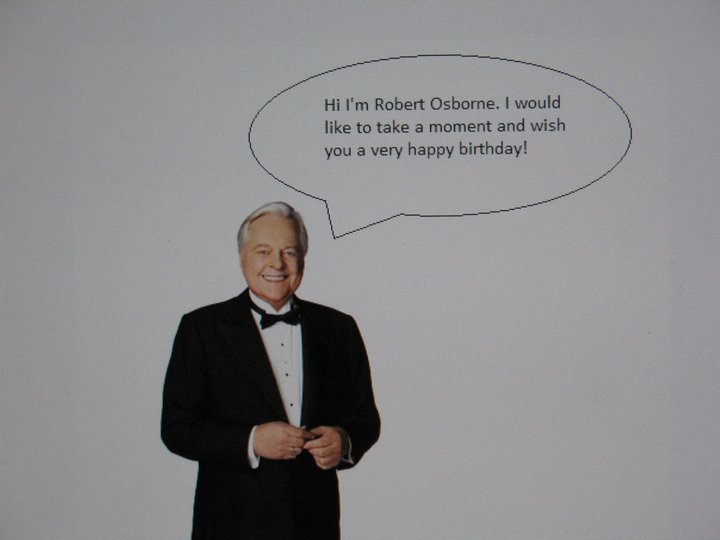
Even non-classic movie fan friends know about my love for Robert. My senior year of college, I walked into Winthrop’s student newspaper office on my birthday. The desktop background of my computer had been changed to a photo of Robert Osborne saying Happy Birthday to me.

Robert Osborne birthday desk top background, thanks to my friend Devang Joshi

One of my favorite Robert Osborne moments was when he was interviewed by one of TCM’s programmers during Oscar month 2009. He told about how he went to journalism school, went to Hollywood, became friends with Lucille Ball and how that catapulted his career of film history. Ball told him to combine his journalism skills and film knowledge and write a book.  This was inspiring to me as a sophomore journalism student who also loves film.  A distant and most likely unattainable dream is to follow in his footsteps and do the same thing.

Though I haven’t had the good fortune to meet Mr. Osborne like so many other fans, his introductions are so personal, informative and sweet that you feel like you are his best friend. It’s like he’s sharing his knowledge with you and only you.  On New Year’s Eve, Dec. 31, 2009, he even wore a tuxedo and toasted a glass of champagne to the camera.

It was pretty Earth-shattering for me, as well as for all other Turner Classic Movie fans, when he announced his extended vacation. I was very upset, but honestly not very surprised. He looked tired and not quite himself. Mr. Osborne certainly deserved a rest-particularly after reading today that he hadn’t had a vacation in 17 years!

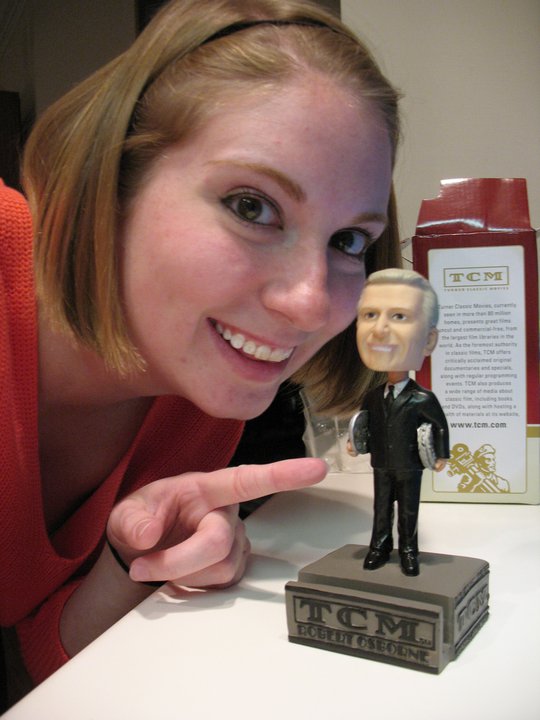
This is the closest I've ever gotten to Mr. Osborne

Jane Powell is one of my favorite actresses and I enjoyed hearing from Leonard Maltin, but none of the guest hosts came close to the personal panache Robert offers. Fortunately, I have so many movies recorded off of TCM-some dating to 2009-that I was still able to get my Robert Osborne fix during his absence.

One of my life goals is to meet Mr. Osborne but for now I’m happy enough with his return. Unfortunately, on a reporter’s salary and living on my own for the first time, I can’t afford cable and won’t be able to watch his first prime time introductions after five months on Thursday, Dec. 1, but my mother promised to record it for me.

Welcome back, Robert Osborne and thank you for all you have taught us film fans.

With much love and admiration,

Jessica Noelle Pickens

Check out the Comet Over Hollywood Facebook page .

Birthday Blogathon: Film #4 Since You Went Away 1944

For my fourth evening of birthday favorite films I chose:

Since You Went Away (1944)

Jane and Bridget listening to Anne read a letter from their father. (This actually is my desktop background).

Brief plot: The story of Anne Hilton and her two daughters Jane and Bridget on the American World War II home-front while their father is overseas fighting. The film stars Claudette Colbert, Jennifer Jones, Shirley Temple, Joseph Cotton, Robert Walker, Hattie McDaniel, Monty Wooley and Agnes Moorehead (among several cameo appearances).

Why I love it: 

Jane and Bridget talking about a boarder with their mom

My favorite time period is the World War II era. One thing that particularly fascinates me about this time is the war effort on the home front-what this film call the “unconquerable fortress”. This movie chronicles life on the home front and daily adjustments Americans went through in order to help soldiers overseas-there aren’t many films that show this. But aside from the historical aspect of the film, the actors, camera shots and script make “Since You Went Away” absolutely perfect.

Cast: This film has a very strong, star-studded cast and every actor is perfect. Claudette Colbert does an excellent job as Anne Hilton and Shirley Temple (Bridget) and Jennifer Jones (Jane) embody how I think a 1940s teenager would act. Joseph Cotton plays family friend Tony Willett who used to carry a flame for Anne. Monty Wooley is Col. Smollett who boards at the Hilton home during tough financial times and Robert Walker is his grandson Bill who falls in love with Jane.  Hattie McDaniel is the Hilton’s maid, Fidelia, who has to quit and work at another reason residence, because the Hiltons can no longer afford her. However she comes back to live with them, because she doesn’t like the other servants at the new employers home. Lastly, Agnes Moorehead is Emily Hawkins, Anne’s catty friend who thinks war sacrifices mean hoarding food in a cold storage unit and hosting canteen dances.

But one very special thing this film is the plethora of uncredited cameos. Tim Hilton, Anne’s husband that has already left for basic training when the movie begins, can be seen in photos. The actor who is supposed to be Tim is Neil Hamilton-known for his role of the commissioner in the 1960s show “Batman” and who usually played cads in early 1930s films.

Throughout the film, you can see:
-Dorothy Dandridge and Ruth Roman at the train station
-Guy Madison as the sailor Bill and Jane meet at the bowling alley
-Lionel Barrymore as a clergyman in the Hilton’s church
-Kennan Wynn at the Hilton’s Christmas party as Tony’s friend
-Silent star Alla Nazimova as Anne’s immigrant friend who works in the shipyards with her.
-Rhonda Flemming as a girl at the dance
-Terry Moore as a refugee child on the train
-Character actor Grady Sutton (who pops up in so many movies!) looking for Suzy Flemming at the dance-I wonder if he ever finds her?
-Jimmie Dodd of Mickey Mouse Club fame as a train passenger
-And other recognizable faces like Jackie Moran, Craig Stevens, Lloyd Corrigan and Irving Bacon.
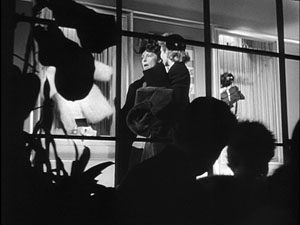
Emily and Anne in the background of the Paradise Cocktail Lounge-strangers talking in the front.

Script:  
One that makes me laugh every time is when Fidelia brings in a cake for Col. Smullett’s birthday and says she did something different to it.
Col: “What was the experiment with this cake?”
Fidelia: “I tried something new:I bought it!
I also like when Jane tells Emily Hawkins off after Hawkins said well-bred girls shouldn’t be war nurses: “Please don’t worry if our hands come in contact with their mangled bodies. We’ll survive even if they don’t!”
But my absolute favorite part of script is something I’ve always thought was very creative. During four separate scenes-Anne and Emily at the cocktail lounge, the canteen dance, the train on the way to see ‘pop’ and the train station as Bill is about to leave.

The camera takes the audience through crowds of people, and we hear snippets of several different conversations. It gives you a sense of what different people were talking about during the war, patriotic or unconcerned with the country’s conditions. Here is the dialogue from each of those scenes:
-The Paradise Cocktail Lounge scene:
1.”The moral breakdown of this country is caused by drinking….this is lousy scotch.” 2. “I don’t mind red finger nails but red toe nails is going too far”
3. “I went shopping before the hoarders got there.”
4. “I can’t write everything the baby says down on those little V-cards.”
-The Canteen Dance scene:
1.“I feel so good, don’t you feel good?”
2. “Now Suzy Flemming, she’s a one man woman.”
3. “I love to read books, don’t you think they are so….”
4.”Why do they call you Walt, is that your nickname?”
-The Train to see pop:
1. Business Man: “If we keep stopping like this, I’ll miss the biggest deal of my life.’ Armless Soldier: “Well I’m in no hurry, I’ve got plenty of time from now on”
2.“My husband’s never seen the baby”
3.“And after the Germans came we didn’t have milk or meat at all”
4.“Only serving two meals a day is simply outrageous”
-Train Station as Bill is leaving:
1.“Let me look at your darling so I can picture you always…now go and don’t look back” (Said to two different girls by the same soldier)
2. To a crying baby held by Dorothy Dandridge: “Look at the nice apple daddy got you”
3. “I’m sorry mom I’ve only got 5 minutes, my furlough was canceled.”
4.”I swear I can’t tell any difference between it and butter.”
5. Little girl to MP: “Hello, my mommy’s a sergeant.” MP squats down to child: “She is!”
6.”What’s a good excuse for being AWOL?”
7. Ruth Roman: “Agnes, look at that dame, nylons!”
8. Soldier: “Five months pay…give me some War Bonds! Plenty of them!”
9. Two soldiers: “I wonder where we can go for free where we don’t have to dance with hostesses.”

Jane at the train station

Camera technique: I feel some of the camera techniques in this film might compete with Hitchcock. The director took advantage of light and shadows. One example of this is Bill and Jane sitting on the Hilton’s back porch talking. The two are back-lit so we only see their silhouettes. The only light from the couple is when Bill lights his cigarette. Another is when Jane is saying goodbye to Bill at the train station. She stands there waving goodbye, the camera pulls back and her shadow stretches about 100 feet across the station. Another shot I really like is when Guy Madison leaves Jane and Bill after they walk around downtown. He gets on the bus and walks to the back, but the camera stays on him as he walks and the bus is driving away to the left and going off screen. But some of my shots are during the dance at the canteen.  One part is the shadows as couples waltz (seen at 2:05 in the video below). Also right after they find out Johnny Mahoney dies, there is a shot through a star emblem and you see everyone dancing in the background, very beautiful.

Home front: I feel like this movie is so natural and believable not just a bunch of Hollywood stars playing roles. No, not all families were as well off as the Hiltons were before Mr. Hilton went off to war and not everyone’s mother looked like Claudette Colbert-but we see a lot of what I think is pretty realistic.
-A cop pulls Tony and Anne over just to chat, because he doesn’t see cars much since gas rationing.
-Bridget keeps a plant in the sink to make sure it gets water, because her father gave it to her.
-Anne initially doesn’t really understand why Tim enlisted. She doesn’t do much for the war effort to start out with, because she feels like missing her husband and taking in a boarder is enough. By the end she is working in a shipyard.
-Jane starts off as a silly, boy crazy high school girl and matures throughout the film. Part of it has to do with falling in love with Bill, but another part of it has to do with her work as a nurse and what she sees at the hospital.
-Bridget is in her early teens throughout the film, so she still is pretty young and unchanging, but she seems to be the average, patriotic teenager saying her “Pop looks like a parade all by himself” when he is in his uniform.
-We also see a glimpse of war life as people talk about rationing. There isn’t any ice cream at the soda fountain and instead they have a “Victory Punch,” and we see Bridget sorting scrap metal.
-Along with the patriotism we also see those who didn’t care about the war, like Emily Hawkins. At one point she flippantly says to Anne after Tim is missing in action, “Oh, and I’m sorry about Tim. I’m sure he’ll show up sometime.”
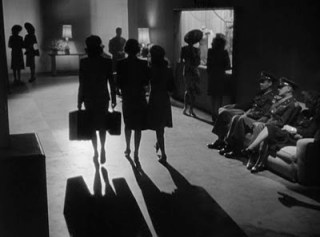
Hotel, after Tim couldn’t meet them
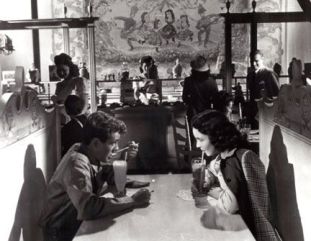
Drinking Victory sodas at the soda fountain
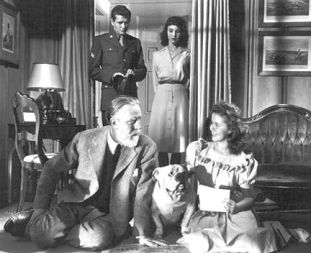
Bridget and Monty Woolley looking for “We-Took-It,” Texas on the map

To review: This film is two and a half hours so I feel like I could write on and on and on about it forever, but in a nut shell-I adore this film. It’s perfect. The shots, the characters, the American life on the home front. Its one that makes you laugh at some scenes and crying in the next. It’s one emotional roller coaster of a film-and I can sincerely say it’s my all time favorite.

This concludes Night 4 of Birthday Blogathon Week.

 Check out the Comet Over Hollywood Facebook page .

Birthday Blogathon: Film #3 State Fair 1945

For my third evening of birthday favorite films I chose:

State Fair (1945)

"It's a grand night" for State Fair

Brief plot: The Frank family travels to the annual Iowa state fair, entering their prize hog, minced meat and pickles into contests. The two children find romance at the fair, but it is uncertain if it will continue once the fair ends. The cast includes Fay Bainter, Charles Winneger, Jeanne Crain, Dick Hyames, Dana Andrews and Vivian Blaine.

Why I love it:

“State Fair” isn’t a high-brow film chock full of symbolism and deep meaning, but its one of my favorites.  It makes me happy no matter what, and that’s what entertainment is about.

Music: I’m a huge musical fan-viewing 432 in the past 8 years. There isn’t a song in this musical I don’t like. “It’s a Grand Night for Singing” is my favorite song in the whole movie. It’s a bit repetitive and very simple, but its a happy, ethereal song. Another close favorite is “It Might As Well Be Spring.” “State Fair” is a Rodger’s and Hammerstein musical, something that most likely surprises R & H fans. It’s very different than their other long, 9 song, operatic musicals. I think State Fair is a musical written for the average American. The songs are written like popular radio songs, easy for the average person to sing and fit the plot of farm families heading to the annual fair. If we had pig farmers singing show stopping, big budget musical numbers, I probably wouldn’t like this movie very much.

Characters/Cast: Everyone in this movie is perfect. Fay Bainter and Charles Winninger(Melissa and Abel Frank) are perfect as a sweet, loving farm couple. Jeanne Crain, as their daughter Margy,  looks her prettiest in this movie and it’s nice to see Dick Haymes in this movie as Wayne. He has a wonderful singing voice and we don’t get to see him in many films-he may have been a bigger star except for personal problems. Vivian Blaine (as Emily Edwards) is beautiful and I love her as a red-head. She was very talented and I wish she could have been in more films. But my favorite character and actor in this movie is Dana Andrews-he is so charming, rugged and handsome as reporter Pat Gilbert. I just adore him.

Charles Winnenger adding brandy to the minced meat!

But most of all I love all the mini cameo’s of well-known character actors. Frank McHugh pops up as a song plugger. It’s weird seeing him in color, after becoming so used to him in early 1930s comedies. He is funny as ever particularly when he and Wayne get drunk. During the hog judging at the fair, we see Will Wright as one of the judges. We see Wright a few times in “Andy Griffith” grumpy old man Ben Weaver, but can be spotted in uncredited roles in 1940s and 1950s. Henry Morgan plays a carny working a side show game who conned Wayne the year before. Wayne returns to get even after practicing the game all summer and humiliates Morgan. It’s a very humorous scene particularly when Morgan starts shouting, “We’re having fun here!” as everyone is walking away.
Of course, the best character actor role in the whole film is Donald Meek as the minced meat judge who eats too much of Melissa Frank’s alcoholic minced meat and gets drunk. He is hilarious!

Humor: This movie is very sweet and poignant but has several funny scenes.  One of the funniest scenes is at the beginning. Melissa Frank doesn’t want to add brandy to her minced meat so Abel adds some when she isn’t looking. Then after he leaves, she adds even more! The result of course is Donald Meek getting drunk of the minced meat.
Another funny scene is the first “It Might As Well Be Spring” reprise with Margy in the gazebo on the farm. She’s thinking about a man and thinking he’d be like “Ronald Colman, Charles Boyer and Bing” and then each of those actors have small speaking cameos as she’s imagining it. Then when her yucky boyfriend Harry (Phil Brown) comes over and sees the prize hog Blue Boy. Harry says: “Blue Boy’s the biggest boar in the world I bet!” and Margy says: “All depends on how you spell it.” That always gives me a good laugh.

Margy and Pat are the cutest.

Nostalgia: State Fair is a very sweet, poignant and honest movie filled with slices of 1940s American life. Fay Bainter sings a little at the beginning, she doesn’t have the best singing voice in the world but somehow that part shows that she’s a simple, hardworking country mother. Wayne practices for the carnival game using his mother’s embroidery hoops. Margy doesn’t want to live on a big scientific farm with Harry and wants a simple, loving life.  The fair looks clean, exciting and perfect. Waynes dances at the little nightclub at the fair. Mrs. Frank’s minced meat wins first prize and she cries happy tears. The way Abel Frank cries when his hog Blue Boy wins first prize pig (that part gets me every time).  And when Abel and Melissa Frank try champagne for the first time and say ,”It’s better than any of that French stuff.” All of those simple moments in the movie make “State Fair” perfect. They are all so sweet and make me want to travel back in time and live just like that.

Margy's green dress on the last night of the fair.

Fashion: Like with “Shadow of a Doubt,” I love the clothes in this movie. Margy wears the cutest outfits and my mom ‘oooo’ and ‘ahhh’ over them every time we watch the film. All of her clothes are cute and colorful but not too glamorous for a farm girl.  Most of her outfits are peasant dresses, pinafores or jumpers. My favorite outfits are the simple white peasant blouse and blue skirt she wears at the beginning while singing “It Might As Well Be Spring,” the red dress she wears during the minced meat judging, the green dress she wears the last night of the fair and the blue jumper with the yellow blouse at the very end.  I also love those sports coats that tie around the waist- both Dana Andrews and Dick Haymes wear.

To review: “State Fair” is a perfect, honest film. The only thing wrong with it is that it doesn’t go on forever. The color, the slice of life it offers, the music and the characters all put a smile on my face. The only thing that makes me sad about this film is that life isn’t like that today.

Okay, I'll admit-I tear at the end. And I wish I was Margy right here.

This concludes Night 3 of Birthday Blogathon Week. Please stop by again tomorrow for another favorite film of mine!

 Check out the Comet Over Hollywood Facebook page .

Birthday Blogathon: Film #2 Shadow of a Doubt

For my second evening of birthday favorite films I chose:

Shadow of a Doubt (1943)

From LIFE: Stroboscopic multiple exposure of Teresa Wright and Joseph Cotten talking and struggling as characters from Alfred Hitchcock's film "Shadow of a Doubt."

Brief plot: Charlotte “Charlie” Newton is bored with her small town life and feels her family isn’t living to their full potential. She wants a miracle to come along-it does in the form of her namesake- Uncle Charlie Oakley. However, her beloved uncle has a dark secret. The film stars Teresa Wright, Joseph Cotton, Henry Travers, Hume Cronyn,  Patricia Collinge, MacDonald Carey and Edna Mae Wonacott.

 Why I love it:
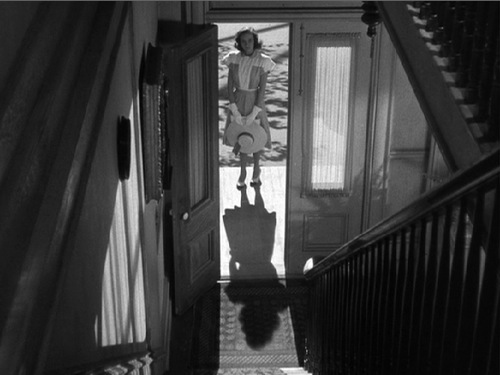
I’ve seen 40 of Alfred Hitchcock’s 57 films that he directed. I like almost all of them, particularly those from the 1930s, 1940s and 1950s but “Shadow of a Doubt” is by far my favorite.

It’s much different than most of his more famous films like “North by Northwest”, “Psycho” or “The Birds.” I feel like the danger of the characters in those films is a little far-fetched. Not many of us steal money from our boss and flee, are chased by an airplane or live in a town inhabited by crazed birds.  The terror of “Shadow of a Doubt” is more realistic and obtainable to the average person.

Most of the cast, receiving gifts from Uncle Charlie.

The Characters: Though Charlie considers her family “average” they are actually pretty quirky. Dad (Travers) and his buddy (Cronyn) get together each night and harmlessly discuss ways to murder people without getting caught. Young Ann (Wonacott) is nosy, intelligent and is reading “Ivanhoe” while her father is reading dime store mysteries. The mother (Collinge) isn’t the grounded, serious type of mother you’d expect from a small town-she’s no Emily Hardy. She’s flighty, clueless and never shuts up. They are not what I would consider your typical small town, 1940s family.  All of the actors in this film are prefect as well. Teresa Wright and Joseph Cotton are two of my all time favorite actors-not to mention Cotton is a huge heartthrob of mine.  Henry Travers and Hume Cronyn are adorable and Edna Mae Wonacott is hilarious.  Edna Mae hadn’t had any acting experience prior to this film, Hitchcock discovered her in her hometown of Santa Monica where the film was shot. You can read more in an excellent post The Lady Eve wrote about Edna Mae.

Location: It’s fun to see small town America in 1930s and 1940s films. I don’t know what Santa Monica looks like now, but I think it looks so beautiful in this movie. It’s also different than the locations we see in lots of other Hitchcock films.  “Rear Window” is in the city, “To Catch a Thief” is on the Rivera, “Foreign Correspondent” is in London,  “Lifeboat” is in the middle of the ocean.  Several of these film settings aren’t where your average American is going to be, but small town Santa Monica looks like the sort of place most Americans were familiar with during the 1940s.

Teresa Wright at the bottom of the stairs while Joseph Cotton looks down.

Camera Shots: This movie has some shots that are competitors with one of my all-time favorite shots-the strangling scene in “Strangers on a Train.”  Scene I love in “Shadow of a Doubt” include Joseph Cotton pacing back and forth and Hitchcock shoots up from the floor.  During another scene, Cotton is giving a rather powerful speech at the dinner table and we are looking at Cotton’s profile. Throughout the speech the camera gets closer and closer to his face until he looks straight into the camera and says the last word. So haunting and perfect. Another shot  interesting  is so simple but excellent. Joseph Cotton is walking up the stairs and turns around half way. We look down the stairs at Teresa Wright who is standing on the front porch with the door open looking back up at him. The angle along with the light coming in from outside and her shadow hitting the entry way floor is perfect.

Here is the scene with the speech I discussed-also my favorite part of the movie: 

Script: For a thriller, there are several funny, clever little lines in the film. One part that always makes me giggle is when Ann Newton (Edna Mae) is saying her prayers, “God bless mama, papa, Captain Midnight, Veronica Lake and the President of the United States.”

Another Ann Newton/Edna Mae line to Teresa Wright who is humming the Merry Widow Waltz: “Sing at the table and you’ll marry a crazy husband.” Younger brother Roger Newton says, “Supersticions have been proven 100% wrong.”

I also giggle when the father/Travers finds out they got a telegram: “I knew there’d be trouble if your Aunt Sarah got her license.”

But aside from the goofy little lines, there are some very powerful lines as well, such as the speech Cotton gives at the table about fat old widows and their money and later when he tells Wright that she is a silly, ordinary, small town girl.

Simple yet appropriate gown for Wright's character.

Fashion: This might seem silly, but I’ve always loved the clothes in this movie. The scene where Charlie is walking quickly, almost running away from her Uncle Charlie in downtown Santa Monica always sticks out for one main reason-Teresa Wright’s spectator pumps. While re-watching this, I thought about Wright’s clothes in this film and other movies she’s in like Mrs. Miniver. They dress her in very similar outfits: tailored suits and wide shoulders with white accents on the jacket or dress.  Even the evening gown she wears at the end is great. It’s not very glamorous, but it suits Wright’s personality and is appropriate for a small town high school girl. Joseph Cotton also looks severely handsome in every suit he wears. The only thing that bothers me in MacDonald Carey’s hair. What’s with that?

To Review: This has always been my number one favorite Hitchcock film-“Sabatuer”, “Foreign Correspondent” and “Strangers on a Train” following close behind. It pleased me very much that this was also Hitchcock’s personal favorite film. I think I like it so much because it’s simple and not very flashy. It gets overlooked by Hitchcock fans for this very reason but it has more meaning than most of his films-not to mention some of the best performances from all of these actors.

Here is the second speech I discussed about “ordinary girl in a small town”: 

 This concludes Night 2 of Birthday Blogathon Week. Please stop by again tomorrow for another favorite film of mine!

 Check out the Comet Over Hollywood Facebook page .