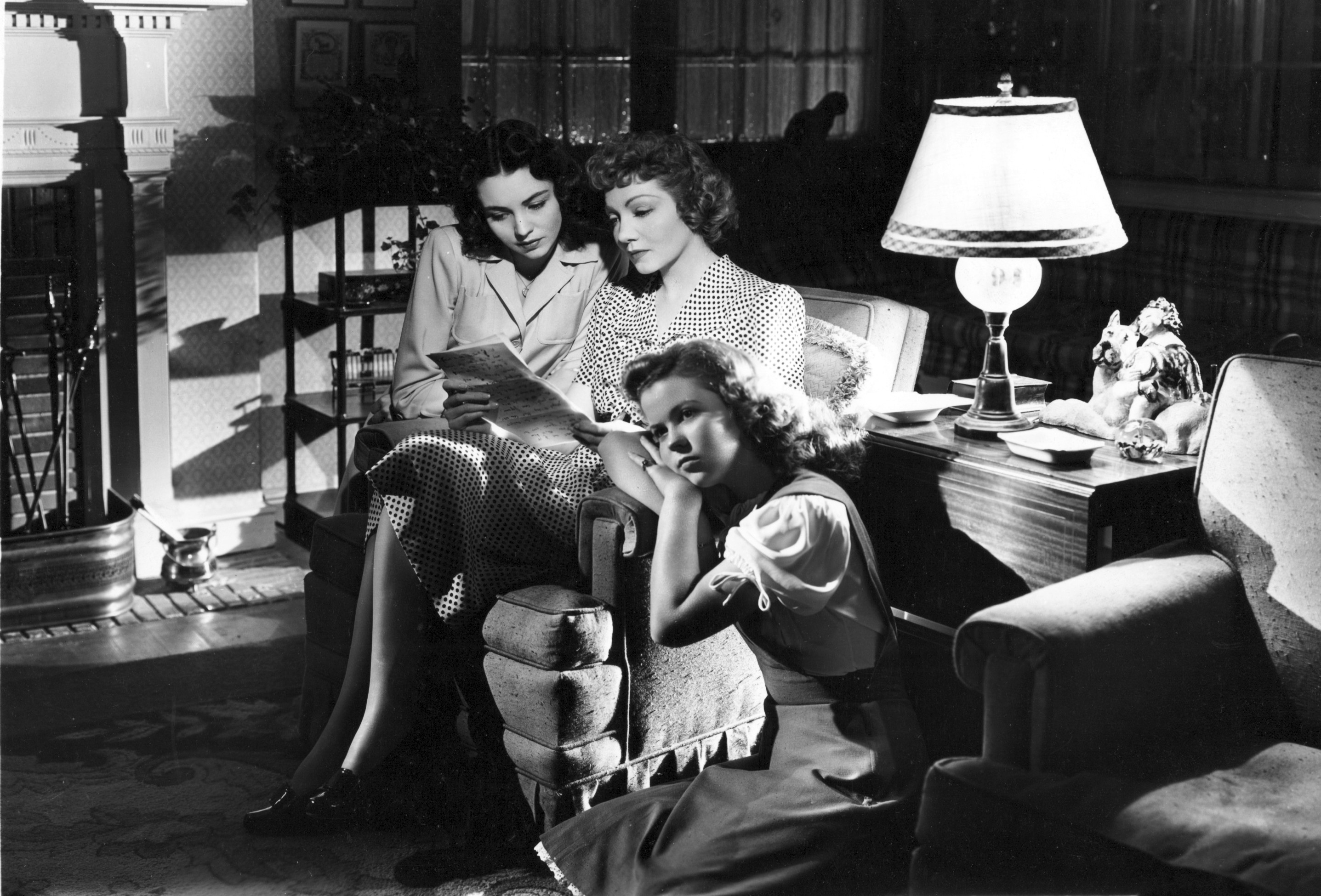
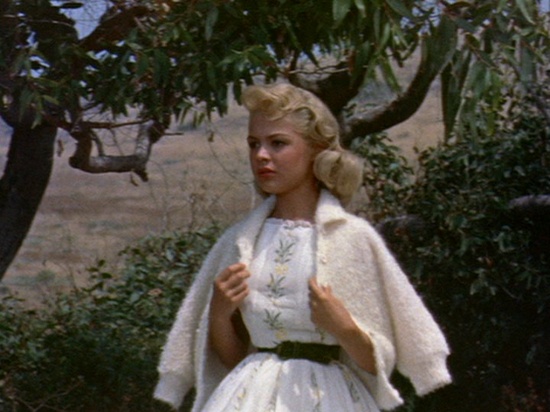
“Now it’s time to say goodbye”: Remembering Annette Funicello

Just thinking about her makes me smile.

annette funicello 2

Annette Funicello

Annette Funicello has always been a source of happiness in my household. Her films, the Annette mystery book series, her music- she has always been a favorite of the Pickens’ family.

Though I didn’t grow up in the 1960s, I grew up with Annette. My mom was a huge fan so I was introduced to “The Shaggy Dog” (1959) and “Babes in Toyland” (1961) at a young age.

“I had Annette books, coloring books and paper dolls growing up,” my mom, Lisa Pickens, said. “I really liked her a lot. Since she was only in movies while she was young, we didn’t see her age. There was something special about Annette.”

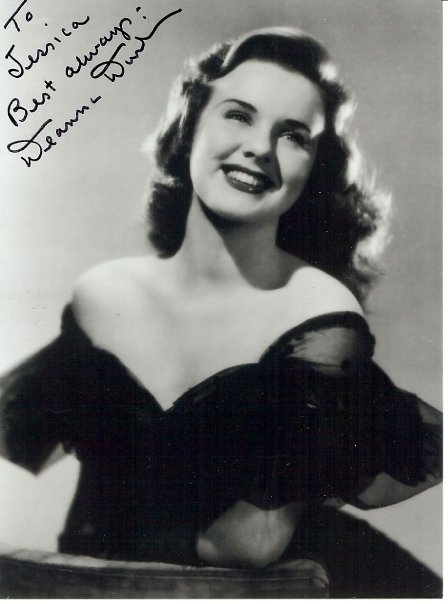
Annette was an original Mousketeer on the Mickey Mouse Club. She autographed a photo for me in 2008

Annette was an original Mousketeer on the Mickey Mouse Club. She autographed a photo for me in 2008

Even in the past two years, summer afternoons were spent downloading her songs on iTunes and watching old Mickey Mouse Club episodes and the Annette series. In the serial Annette was a “country cousin” who moves to the city to live with her wealthy aunt and uncle.

“Throughout all the years we were friends she never changed from that sweet person who cared so much about others,” said Mousketeeer Sharon Baird, on the Official Disney Fan Club. “She always had time for everyone; family, friends and fans alike. It’s no wonder she was America’s sweetheart.”

In the 1950s, Annette Funicello stood out as a Mousketeer on the Mickey Mouse Club. Her background was Italian and she looked different than the other, Anglo-Saxon children.

She even suggested that she change her last name to “something more American,” but Walt Disney disagreed, saying her own name made her more unique, according to IMDB.

And her uniqueness is what made her the most popular of the original Mousketeers.

“The Disney studio wasn’t like other studios. It was just like home – it always had a small-town, family atmosphere,” she said.
Along with The Mickey Mouse Club, Annette starred in Disney films such as “The Misadventures of Merlin Jones” (1964) and “Babes in Toyland.”

Her fame brought her to recording career, with records like “Hawiaannette,” “Itallianette” and “Danceannette,” but Miss Funicello didn’t think she could sing.

“The Sherman Brothers wrote a song for me for the Annette series called ‘How Will I Know My Love,’” she said in an interview. “They told me we have to put this on a single. People are writing us like crazy wanting to buy it. I told them I don’t sing. And they said, ‘Well I’m signing you to a recording contact, young lady.’ And I said yes sir, and that’s what started my singing career.”

Composer Tutti Camarata was the one who created “The Annette Sound.” This is where she would sing the song once. She then would listen to the song with headphones, while trying to sing along as exact as she could, she said.

“It gave me that larger sound that I needed, because my voice is very small with a range of about of three notes,” she laughed. “It worked. I think my favorite song was ‘Pineapple Princess.’ I was lucky enough to have five songs that made the Top 10.”

Stevie Wonder, early in his career, with Annette Funicello and Frankie Avalon in "Muscle Beach"

Stevie Wonder, early in his career, with Annette Funicello and Frankie Avalon in “Muscle Beach”

Annette was also one of the first performers to sing with the Beach Boys as they were growing in fame.

“I really shouldn’t put down my singing career, because I’m so appreciative of everything that came my way,” she said.

In interviews and in her autobiography “A Dream is a Wish Your Heart Makes,” Annette seems like somebody you would run in to at the store. Annette was sweet and down to Earth, making her more relatable for her fans.

With Tommy Sands in "Babes in Toyland"

With Tommy Sands in “Babes in Toyland”

Even while she was in movies, her father still worked at a gas station, and Annette wasn’t allowed to date until she was 16, according to her New York Times obituary.

In real life, she stayed friends with fellow teen stars Frankie Avalon, Shelley Fabres and fellow Mousketeers Doreen Tracey and Cheryl Holdridge, who passed away in 2009. She was good friends with Jimmy Dodd from the Mickey Mouse Club until his death in 1964.

While she was 21-years-old and still under contract at Disney, she was approached about roles in beach films. Walt Disney approved Annette doing the films as long as she didn’t show her belly button in bathing suits, according to the New York Times.

These films included the silly, but fun, “Beach Blanket Bingo” (1965) and “Beach Party (1963).

Annette Funicello and Frankie Avalon in "Beach Party"

Annette Funicello and Frankie Avalon in “Beach Party”

Annette retired from films, only making a few appearances, after she married her first husband in 1965 to raise her family.

“She was always there for car pools, Hot Dog Day and the P.T.A,” her daughter said in 1994.

After they divorced, she remarried in 1986 to Glen Holt. They remained married until she passed away.

Annette returned for a few appearances in the 1980s including “Back to the Beach” (1987) with Frankie Avalon, and an appearance on the TV Show “Full House” where Michelle pronounced her last name as “Funny-Jello.”

It was in 1987, she learned she had Multiple Sclerosis and established the Annette Funicello Research Fund for Neurological Diseases.

Miss Funicello passed away today at the age of 70, and the world seems a little dimmer.

“Everyone who knew Annette, loved and respected her,” said Walt Disney’s daughter Diane Miller.  “She was one of the loveliest people I’ve ever known, and was always so kind to everyone. She was also the consummate professional and had such great loyalty to my father. Annette will always be very special to me.”

Rest in peace, Annette. You will always remain in our hearts as you chant “Meeska-Mooska-Mouseketeer” and surf the beaches of California.

Check out the Comet Over Hollywood Facebook page for the latest updates.

From Hollywood to Raleigh: the biggest collection of Gone with the Wind memorabilia

gone with the wind

It started when James Tumblin, saw a dress from “Gone with the Wind” lying on the floor at Universal Studios in 1962.

It was the dress Scarlett O’Hara wore while riding through the shanty town in the 1939 film.

comet10

Found on the floor about to be thrown away, this was the first item in Tumblin’s Gone with the Wind collection-Scarlett’s dress she wore in the shanty town scene

“My mother always taught me to be respectful of belongings. Even if I’m walking through K-Mart I pick up clothing that’s on the floor,” said the former Universal Studios hair and make-up department head. “I picked up the dress and realized it was a dress from ‘Gone with the Wind.’”

Tumblin asked why the dress was on the floor and was told the dress was going to be thrown away.

“I asked if I could buy it and was told $20 for the dress and a whole other rack of clothes,” he said. “I casually accepted. I knew if I was too excited they would go up on the price. The rack of clothes didn’t include other Gone with the Wind costumes but had costumes that Judy Garland wore in ‘Easter Parade.’”

After that, Tumblin began getting phone calls from people who had items from “Gone with the Wind.”

Now, Tumblin owns the largest “Gone with the Wind” collection in the world. He owns at least 300,000 pieces of film memorabilia. Part of his collection has been displayed in the North Carolina Museum of History in Raleigh in the Real to Reel: The Making of Gone with the Wind exhibit. The exhibit started in Aug. 2012 and was originally supposed to end in January. It has been so successful, it was extended until April 14.

The hast worn by Vivien Leigh in the barbecue scene in Gone with the Wind

The hat worn by Vivien Leigh in the barbecue scene in Gone with the Wind

Tumblin’s collection is stored at his home in Oregon. The latest item he bought was a coat worn by a Munchkin in “The Wizard of Oz” (1939).

I traveled from Shelby, N.C. with my parents to see the exhibit on Saturday, April 6.

Vivien Leigh's Academy Award for Best Actress for Gone with the Wind

Vivien Leigh’s Academy Award for Best Actress for Gone with the Wind

The exhibit included costumes worn by Viven Leigh as Scarlett O’Hara, Clark Gable as Rhett Butler, Olivia de Havilland as Melanie Wilkes, Leslie Howard as Ashley Wilkes, Ona Munson as Belle Watling and Cammie King as Bonnie Blue Butler.

It also had the script used by Hattie McDaniel who played Mammy, furniture used in the film and Vivien Leigh’s Academy Award for Best Actress as Scarlett O’Hara.

While walking in, one of the museum workers told us Tumblin, the owner of the exhibit, was inside.

I kicked myself for not bringing along a reporter’s notebook and scrambled to find paper in the museum so I could interview Tumblin. I settled for the back of several museum volunteer fliers.

Tumblin was sitting on a bench with his 27-year-old son Josh when I introduced myself as a reporter for the Shelby Star. The two scooted down and let me sit with them for about a 45 minute interview.

comet9

Owner of the collection, James Tumblin greeting visitors and answering questions at the North Carolina Museum of History in Raleigh

“Are you going to click your heels three times and go back to Kansas?” he joked, glancing down at my bright orange flats.

Born in Denver, Colorado, Tumblin began working at Universal Studios in the late-1950s and retired in 1982.

“I wanted to make a lot of money and buy my mother a house,” he said. “I guess I was too naïve to realize rejection. But I kept going back and wore them down, and they finally gave me a job sweeping hair in the costume department.”

A muff and coat worn by Ona Munson as Belle Watling. This was costume designer Walter Plunket's favorite muff and coat. It took three years to restore it when it was found.

A muff and coat worn by Ona Munson as Belle Watling. This was costume designer Walter Plunket’s favorite muff and coat. It took three years to restore it when it was found.

Every night, he would stay and comb the wigs. One day his boss, Larry Germain, asked him if he had been combing the wigs.

“He told me that Debbie Reynolds liked the way I had combed her wig and said she wanted me to come out to her house and comb her wigs,” Tumblin said. “She paid me $200 to do it. It was the first time I rode in a limousine. They realized I had talent and that’s how it all started.”

He got along with many of the stars and it was a happy time. The only downside was when he found a favorite actor to be unpleasant.

Claudette Colbert, Bette Davis, Marilyn Monroe, Greta Garbo and Mae West are just a few people he worked with.

“Marilyn Monroe was lovely and child-like. Cary Grant was a lovely man. Garbo had already retired, but she would have me up to her apartment in New York to cut her hair,” Tumblin said. “Mae West was a hoot. She would have me up to her beach house and I did 30 wigs for her.”

Katharine Hepburn was another close friend who Tumblin frequently had as a house guest after he retired.

“She loved to drive my truck and always lectured me about my posture,” he said.

William Cameron Menzies's production painting for the burning of Atlanta scene

William Cameron Menzies’s production painting for the burning of Atlanta scene

Another friend was Doris Day. He had an ongoing joke with Day where he threw her into a swimming pool.

Movies he worked on include “Lawrence of Arabia” (1962), “Psycho” (1960), “The Birds” (1963), “The Sound of Music” (1964), “Thoroughly Modern Millie” (1967), “Star Wars” and “The Terminator.”

“I worked for a year and a half on Lawrence of Arabia. I hadn’t seen it for 40 years when I saw it again at a film festival,” he said. “I started crying and my son asked me what was wrong. I worked on this film for a year and a half of my life and so many of these people are gone now.”

The dissolve of the studio system didn’t affect the costume department, but Tumblin didn’t like the situation.

The original score by Max Steiner for Gone with the Wind

The original score by Max Steiner for Gone with the Wind

“It was sad to see all of these people go. I used to see Fred Astaire coming in his convertible. Doris Day and Rock Hudson had dressing rooms next to each other,” he said. “Universal was the first studio to lease out a sound studio to television with shows like ‘Leave It To Beaver.’ Universal survived while other studios died when they turned their noses up to television.”

I even found that Tumblin and I share the same favorite classic film: “Since You Went Away” (1944).

“It was a job,” he said. “What’s nice to know is that I did it well enough that people still want to see my work in films.”

Room of costumes from Gone with the Wind at the NC Museum of History

Room of costumes from Gone with the Wind at the NC Museum of History

Costume designs for Gone with the Wind by Walter Plunkett

Costume designs for Gone with the Wind by Walter Plunkett

A suit worn by Clark Gable as Rhett Butler. It was later worn by John Wayne, who at one point was the same size as Gable.

A suit worn by Clark Gable as Rhett Butler. It was later worn by John Wayne, who at one point was the same size as Gable.

Tattered Civil War uniform worn by Leslie Howard as Ashley Wilkes

Tattered Civil War uniform worn by Leslie Howard as Ashley Wilkes

Worn by Vivien Leigh in the hospital scene in Gone with the Wind

Worn by Vivien Leigh in the hospital scene in Gone with the Wind

Worn by Cammie King as Bonnie Blue Butler during the horse riding incident

Worn by Cammie King as Bonnie Blue Butler during the horse riding incident

Worn by Olivia Deviland as Melanie Wilkes during the train station scene

Worn by Olivia Deviland as Melanie Wilkes during the train station scene

Check out the Comet Over Hollywood Facebook page for the latest updates.

Day and MacRae: A forgotten screen team

Doris Day.

The sunny blond who can brighten a day with a smile.

On her birthday, I wanted to remember one of my favorite leading men who starred in five films with her.

But I don’t mean Rock Hudson.

Day and Hudson joined in the late 1950s to create one of Hollywood’s most memorable screen teams.

The two starred in three films together: “Pillow Talk” (1959), “Lover Come Back” (1961) and “Send Me No Flowers” (1964).

But before Rock entered into the picture, Day was teamed five times with another tall, dark and handsome actor-but this one could sing.

Doris Day and Gordon MacRae in "On Moonlight Bay"

Doris Day and Gordon MacRae in “On Moonlight Bay”

Gordon MacRae starred in five films with Day while she was under contract at Warner Brothers. Day was under contract at Warner from 1948 to 1955 and made 17 pictures, according to her autobiography, “Doris Day: Her Own Story.” (111)

“With pictures assigned to me one after the other, I found myself performing with the same Warner Brothers actors over and over again,” she wrote. “Three pictures with Jack Carson, five with Gordon MacRae, two with Ronald Reagen, four with Gene Nelson. A major studio was really a big repertory company that constantly shuffled its employees around so as to keep them busy as much of the time as possible.” (111)

"Tea for Two" (1950)

“Tea for Two” (1950)

Her first movie with MacRae was “Tea for Two” (1950).

“It was my first movie with Gordon MacRae and Gene Nelson, two cheerful, amusing young men,” she wrote.

Tea for Two” is based off the play “No, No Nanette.” Day, as Nanette, bets her uncle $25,000, played by S.Z. “Cuddles” Sakall, that she can say to no to everything for 48 hours. If she wins, she can back her boyfriend’s Broadway show.

Of course there are misunderstandings along the way and affect her romance with MacRae.

Doris Day plays a tom boy in "On Moonlight Bay" before she goes on her first date with McCrae

Doris Day plays a tom boy in “On Moonlight Bay” before she goes on her first date with McCrae

“In those Warner Brothers years, the pictures I enjoyed the most (not the scripts but the fun I had making them) were the nostalgic musicals-Tea for Two, Lullaby of Broadway, On Moonlight Bay, I’ll See You in My Dreams, By the Light of the Silvery Moon, Calamity Jane,” she wrote. “I liked the old songs, and the good old times that those films captured. I guess I’m really an old-fashioned girl at heart.” (117)

Of those films Day listed, Tea for Two, On Moonlight Bay and By the Light of the Silvery Moon also starred MacRae as her singing boyfriend. Other films they were in together included  “West Point Story” and “Starlift.”

Prior to his films with Day, MacRae starred in a few forgettable films and two June Haver vehicles. “Tea for Two” was his sixth film. Their last film “By the Light of the Silver Moon” (1953) was followed by “Oklahoma!” (1955)-the film he is remembered for today.
My favorite Day-MacRae films are “On Moonlight Bay” (1951) and “By the Light of the Silvery Moon” (1953).

Rosemary DeCamp, Doris Day, Leon Ames, Gordon MacRae in "On Moonlight Bay"

Rosemary DeCamp, Doris Day, Leon Ames, Gordon MacRae in “On Moonlight Bay”

The two films are a series based on the Booth Tarkington “Penrod” stories but revolve around the sister Marjorie, played by Day. Set at the early 1900s, Day is a tomboy and starts going on dates with Bill, played by MacRae. At first Bill has big, philosophical ideas, saying marriage is stupid.

The first film ends with Bill going to fight in World War I. The second movie picks up when he returns and follows the dilemma of when the two will get married.

The movies are heartwarming and include antics by Day’s little brother Wesley, played by Billy Grey, and her parents, played by Leon Ames and Rosemary DeCamp.

Though Day and MacRae are not remembered as a great screen team today, I feel they had great chemistry and their voices blended well in musicals.

MacRae’s personal life may have been stormy in his later years, but he had a sunny, boy next door characteristic that worked well with Day’s persona.

Happy birthday to my favorite actress since I was in eighth grade and who consistently puts a smile on my face.

Check out the Comet Over Hollywood Facebook page for the latest updates.

Easter at the Hollywood Bowl

The Hollywood Bowl has held historic performances from Olivia de Havilland and Mickey Rooney in “A Midsummer Night’s Dream” in 1934 to the Beatles in 1964 and 1965.

It also holds an Easter sunrise service every year.

The tradition started in 1919 when silent film stars held a sunrise service near the area of the Hollywood Bowl. The service was then moved to the site in 1921, when the Bowl was basically a rocky, weedy hillside that had excellent natural acoustics, according to the Hollywood Bowl’s website.

Los Angeles Philharmonic at the Hollywood Bowl in 1921.

Los Angeles Philharmonic at the Hollywood Bowl in 1921.

At the 1921 service, the Los Angeles Philharmonic performed and over 800 people attended.

In 1922, the Los Angeles Philharmonic performed for 50,000 at the Easter Service and the Hollywood Bowl officially opened four months later on July 11, 1922.

Easter Service in 1922 with 50,000 people in attendance.

Easter Service in 1922 with 50,000 people in attendance.

The shell on the stage at the Hollywood Bowl was designed by Frank Lloyd Wright’s son, Lloyd Wright, in 1928 but seems to have been removed for the service.

Hollywood Bowl Easter service in 1928

Hollywood Bowl Easter service in 1928

The Hollywood Bowl Easter Sunrise Service is held every year but has been canceled at least three times in recent years: in the mid-1990s for renovations, 2010 due to lack of funding and 2012 for maintenance on the Hollywood Bowl, according to a Los Angeles Times article.

Ariel view of the 1929 Easter service

Ariel view of the 1929 Easter service

Mary Pickford attends the Hollywood Bowl Easter Service in 1953 on her 61 birthday. She is recites the "Salutation to the Dawn."

Mary Pickford recites “Salutation to the Dawn” in 1953 on her 61 birthday.

17,000 attend the service in 1956

17,000 attend the service in 1956

Easter service in 1962

Easter service in 1962

Happy Easter everyone!

Check out the Comet Over Hollywood Facebook page 

You Stepped Out of a Dream: Fashions of Lana Turner

Nightclubs would play “You Stepped Out of a Dream” as she entered.

Men adored her, including actor William Powell, and showered her with gifts.

Though Lana rarely wore low cut dresses, this fuchsia gown was a favorite.

Though Lana rarely wore low cut dresses, this fuchsia gown was a favorite.

Lana Turner’s glamor, beauty and style made her one of the top film stars from the 1940s through the early 1960s.

Her fashionable presence and perfection of her appearance has left a lasting impression on classic Hollywood fans.

Before Comet has looked at Turner’s beauty regimens such as moisturizing with Nivea or exfoliating with Boraxo soap once a week.

Today we are looking at how Miss Turner dressed.

“She had a presence, style and beauty,” said her daughter Cheryl Crane in her book LANA: The Memories, the Myths, the Movies. “But she was approachable, rather than  film goddesses like Greta Garbo.” (56)

Her clothes and jewelry were her star persona that she used as a shield and felt vulnerable without them, Crane said.

“Her appearance, whether for screen, at home or in public, was always ‘camera ready,’” Crane wrote. “Make up on, hair done-no matter the time or place.” (82)

“I would rather lose a good earring than be caught without make up,” Turner said.

Turner togs:

Crane describes her mother’s lifestyle and interests in the book in detail-including her clothing.

Turner’s closet in her 1950s home was the length of half of their home complete with a platform for fittings, climate controlled closets for furs, jewelry vaults and revolving closets.

When it came to evening dresses, Turner liked form fitting gowns but rarely wore low cut dresses. She preferred wearing all white or all black for a dramatic look that complimented her skin tone and hair. (95) She also liked clean, bright colors such as yellow.

All white and black ensembles were looked dramatic with her coloring

All white and black ensembles were looked dramatic with her coloring

Lana also liked clean, bright colors such as yellow. Here she is in 1942. (182)

Lana also liked clean, bright colors such as yellow. Here she is in 1942. (182)

For professional performances Lana never wore clothing off the rack so that she wouldn’t be copied by department stores. Her casual clothing was tailored as well.

Her favorite designers were Jean Louis and Nolan Miller, later in life.

“More than often she would look at the latest issue of Harper’s Bizarre or Vogue and then put her dressmaker to work on a vision of the styles she liked,” Crane wrote. “Mother’s perfectionism caused trouble during fittings. It was not unheard of for a dressmaker to walk out because she was so detail oriented.” (96)

Lana locks:

When Lana started in Hollywood, her hair was a reddish brown. It was eventually died blond, which it stayed for most of her career. In other films like “Green Dolphin Street” (1947) and “Betrayed” (1954) her hair was brown.

Various Lana Turner hairstyles in the 1940s and 1950s

Various Lana Turner hairstyles in the 1940s and 1950s

Turner’s hairdresser, Helen Young, experimented with up-dos and wove jewels and flowers into her hair, Crane wrote (88).

“It (her hair) was long one moment, short the next,” Crane wrote. “Mother was constantly changing her hair. It was very easy to style.”

Along with jewels, Lana often adorned her head with hats- from flowered pieces to feathers, veils and Spanish influenced mantillas.

“Mom had a face that allowed her to wear any hat,” Crane wrote. (100)

hats

Lana Turner in various hat styles in the 1930s and 1940s.

Finishing touches:

“No dress, however startling, can stand alone,” Lana said.

She coordinated jewelry with outfits and preferred colored jewels to diamonds. (104)

“Even when wearing sweats she had jewelry,” Crane wrote.

Her shoes were by Ferragamo that were designed to match gowns. (96)

When Lana liked a style of shoes, she bought it in ever color. At one point she had 698 shoes. (99)

Fashion copycats and admirers:

On the nightclub scene in a white evening gown in the 1940s.

On the nightclub scene in a white evening gown in the 1940s.

It wasn’t just men who admired Lana.

Though Ginger Rogers wrote in her autobiography that Eva Peron copied her style in the 1930s, Cheryl Crane wrote that Peron was fascinated with Lana.

“Eva Peron copied fashions and a number of unique hairstyles for which mother was known for,” Crane said. (177)

The fascination made it awkward for Turner when she visited Argentina in 1946.

“Customs seized all of her jewelry and held her up for hours,” she wrote. “She learned that every piece was photographed to be copied later.”

Another notable person fascinated with Lana was artist Salvador Dali-but he was only obsessed with the corners of her eyes, which he wanted to paint. (177)

A legend

Though Lana Turner is one of the most beautiful women in the classic age of Hollywood, she didn’t think so.

“It’s interesting that mother never thought of herself as beautiful,” Crane wrote. “To her, the great beauties were brunettes.”

Regardless of Turner’s personal opinion of herself, her fashion and beauty made her a one of Hollywood’s ethereal and beautiful stars.

Source:

“Lana: The Memories, the Myths, the Movies” by Cheryl Crane

This is part of Fashion in Film blogathon by Hollywood Revue Blog.

Fashion in Film blogathon hosted by our friends at Hollywood Revue Blog

Fashion in Film blogathon hosted by our friends at Hollywood Revue Blog

Check out the Comet Over Hollywood Facebook page 

Classic films in music videos: Born this Way by Lady Gaga

This is March’s edition of Comet Over Hollywood’s classic film references in music videos.

Vertigo (1958)

Vertigo (1958)

Last March, Kim Novak was up in arms when “The Artist” (2011) used a portion of Bernard Herrmann’s score from the Alfred Hitchcock film “Vertigo” (1958).

It’s surprising that she wasn’t equally upset after Lady Gaga used Herrmann’s prelude to the film “Vertigo” in her music video “Born This Way.”

Born This Way” was the first single released from the same name album “Born This Way.” Both the video and single debuted in February 2011.

The five minute video begins with Lady Gaga speaking over the “Vertigo” dream like music, calling the video and song “the manifesto of Mother Monster.”

Born this Way video:

Vertigo theme:

As referenced in a 2010 Comet Over Hollywood post, Lady Gaga has referenced Alfred Hitchcock in other songs such as “Bad Romance” with the lines:

““I want your psycho, Your vertigo stick, Want you in my rear window, Baby you’re sick””

Gaga also references Kim Novak in the single “So Happy I Could Die” from the album The Fame Monster with the line “I am that Lavender Blonde.”

In her early days of acting, Kim Novak was publicized as the Lavender Blonde or the Lavender Girl at Columbia studios. They tinted her blonde hair with lavender highlights, frequently dressed her in shades of purple and forced her to decorate her apartment in the color, according to the book “Leading Ladies: The 50 Most Unforgettable Actresses of the Studio Era.”

Check out the Comet Over Hollywood Facebook page for the latest updates.

Metropolitan Opera singer dies at age 99

Actress, opera singer Rise Stevens in 1941

Actress, opera singer Rise Stevens in 1941

A Kennedy Center Honoree, 351 performances at the Metropolitan Opera House and handful of Hollywood films.

Opera singer and actress Risë Stevens had an impressive resume, including a 62 year marriage.

The singer who performed “Carmen” 124 times passed away March 20 at the age of 99.

Stevens with Barry Fitzgerald and Bing Crosby in Going My Way, 1944

Stevens with Barry Fitzgerald and Bing Crosby in Going My Way, 1944

She is best known in the opera world for being a successful operatic singer on the stage. However, classic film fans will recognize her from her role in the Bing Crosby film “Going My Way” (1944).

In the film, Stevens plays an old girlfriend of Crosby, who is now a Catholic priest, Father O’Malley. After he turned to life as a priest Stevens becomes a successful singer and performs selections from “Carmen” in the movie. Stevens helps save the church from financial troubles by performing a piece of music written by Father O’Malley, “Going My Way.”

“I probably would never have reached that vast public had I not done films,” said Stevens. “At least, I won a lot of people over to opera.”

Stevens’s first film was in 1941 with fellow opera singer, Nelson Eddy in “The Chocolate Soldier.”

Rise Stevens and Nelson Eddy in The Chocolate Soldier, 1941

Rise Stevens and Nelson Eddy in The Chocolate Soldier, 1941

“He really could have had an operatic career, but he just made too much money, too soft and too easy,” she said.

But her career is much vaster than a few Hollywood films.

Stevens performed with the Metropolitan Opera from 1938 until 1961, leaving the opera while she still had her voice, according to her obituary in the Miami Herald.

“It always bothered me, these great singers when I heard them again and again, remembering how magnificent they sounded once and no more,” she said.

Born in New York, she sang on the “Children’s Hour” radio show when she was a little girl. She later studied at Julliard. When she was invited to perform with the Metropolitan Opera, she declined. She said she wasn’t ready and made her formal debut in Europe, according to her New York Times obituary.

“I had a good career,” she is quoted in her Miami Herald obituary. “Now the joy is in watching the young musicians grow, mature, and perhaps become successes.”

Rest in peace to one of America’s best singers: Rise Stevens.

Check out the Comet Over Hollywood Facebook page 

Classics in the Carolinas: Arthur Freed

Comet Over Hollywood is doing a mini-series of “Classics in the Carolinas.” I’ll be spotlighting classic movie related topics in South Carolina (my home state) and North Carolina (where I currently live and work).

Annie Get Your Gun, Bandwagon, Singin' in the Rain and Meet Me in St. Louis are just a few MGM musicals Arthur Freed produced.

Annie Get Your Gun, Bandwagon, Singin’ in the Rain and Meet Me in St. Louis are just a few MGM musicals Arthur Freed produced.

Singin in the Rain” (1952), “Show Boat” (1950) and “Meet Me in St Louis” (1944)

These are just a few of the well-known, Technicolor MGM musicals that producer Arthur Freed produced.

But before working with some of Hollywood’s most talented stars, Freed was born down south.

Freed, real name Arthur Grossman, was born in 1894 in Charleston, S.C.

His parents, sister and brothers were a musical family. Freed’s father, Max, emigrated from Budapest in the 1880s.

Max Freed sold zithers and encouraged his children’s musical talents. Arthur’s brother Walter became an organist, Sydney and Clarence had recording businesses in Hollywood, Ralph was a songwriter and Ruth also wrote several songs, according to M-G-M’s Greatest Musicals: The Arthur Freed Unit by Hugh Fordin.

Nacio Herb Brown (left) and Arthur Freed (right) in 1929. The two wrote several songs together.

Nacio Herb Brown (left) and Arthur Freed (right) in 1929. The two wrote several songs together.

Though Freed was born in Charleston, he was raised in Seattle, Washington, educated in New Hampshire and started his music career as a song plugger in Chicago.

In Chicago, Minnie Marx, mother of the Marx Brothers, discovered Freed who sang and wrote material for the brothers in vaudeville shows, according to Billboard Aug. 1950.

In 1928, Freed got a job at MGM studios where he wrote songs with Nacio Herb Brown such as “Broadway Melody,” “Singin’ in the Rain,” “You are My Lucky Star” and “Temptation.”

Freed began producing films in the late 1930s and became interested in helping promote Judy Garland’s career.

Judy Garland and Arthur Freed

Judy Garland and Arthur Freed

From 1939 to 1960, Arthur Freed produced 44 films. It’s safe to say I have seen every Freed production.

After working with  some of MGM’s top talents and winning an Academy Award for Best Picture for “Gigi,” Freed left the studio in 1961.

Freed died at the age of 78 in 1973 and was buried in Culver City, California.

Although Freed did not spend much of his life in Charleston, I felt it important that one of Hollywood’s most prolific producers was born in my birth state of South Carolina.

Check out the Comet Over Hollywood Facebook page 

Comet goes on stage

What do I have in common with two Academy Award winning actresses, Celeste Holm and Gloria Graham?

The three of us have all played Ado Annie in the musical “Oklahoma.”

Shirley Jones and Gordon MacRea in "Oklahoma"

Shirley Jones and Gordon MacRea in “Oklahoma”

I open tonight and will perform the role this weekend and next weekend at the Kings Mountain Little Theater in North Carolina.

Though I love films, I’ve never considered being an actor. But my love for musicals is what brought me to the stage.

As I’ve mentioned in the past I’ve seen 467 movie musicals, ranging from Busby Berkeley kaleidoscope Warner Brothers films to candy-colored MGM extravaganzas.

Last summer while I was working and living in Elkin, NC, the local theater group began holding auditions for “Annie Get Your Gun.” I felt ridiculous trying out, since I had never performed in a play before, but visions of Betty Hutton singing in the movie version of the musical drove me to try out.

Similarly, the same visions struck me this winter when I found out auditions were being held for “Oklahoma,” but these included Shirley Jones, Gordon MacRea, Gloria Grahame and Gene Nelson.

“Oklahoma” originated on Broadway in 1943 with actress Holm as Ado Annie. Holm tried out for the role so she could do her part during World War II.

“There was a need for entertainers in Army camps and hospitals,” Holm said. “The only way you could do that was if you were singing in something.”

Holm later went on to Hollywood to star with Bette Davis in “All About Eve” (1950) and won an Academy Award for Best Supporting Actress for the film “Gentlemen’s Agreement” (1947).

Eddie Albert, Gloria Grahame and Gene Nelson

Eddie Albert, Gloria Grahame and Gene Nelson

When “Oklahoma” was made into a film in 1955, sexy actress Gloria Grahame was cast as Ado Annie. But Grahame wasn’t the first pick for the role.

Grahame won an Academy Award for Best Supporting Actress for “The Bad and the Beautiful” (1952).

Betty Hutton, who was Annie Oakley in the film “Annie Get You Gun,” was approached to play “the girl who cain’t say no” but she declined.

She turned down “Oklahoma” to do the TV spectacular “Satins and Spurs,” which flopped. She later regretted turning down the role when she saw Rogers and Hammerstein were personally overseeing the film.

Hutton would have been perfect for the comedic role in the “Oklahoma” and I think it would have jumpstarted her failing career.

The trouble with Grahame is that she was constantly trying to make the role too sexy rather than cute and funny, according to IMDB. To remedy this, two comedic dancing girls were added to the film.

Grahame was also very tone deaf so her music had to be edited together, according to IMDB.

Blond bombshell Mamie Van Doren was also interested in the role of Ado Annie. Others who auditioned for roles included Robert Stack, Piper Laurie, Lee Marvin, Vic Damone, Dale Robertson and Joan Evans were all screen tested for various roles.

Sadly, the movie “Oklahoma” also wasn’t filmed in the state of Oklahoma but in Arizona.

Me as Ado Annie in "Oklahoma"

Me as Ado Annie in “Oklahoma”

Though this is my second play, I don’t think the play bug has bit me. I simply do it because of my love of classic films.

What have classic films driven you to do in your daily life?

Check out the Comet Over Hollywood Facebook page 

“She didn’t want to be famous, she wanted to be happy”: Remembering Jean Harlow

**Above quote said by Clark Gable.

Today, Comet is remembering Jean Harlow on her 102 birthday, one of the most beautiful women to grace Hollywood.

“In the first sitting, I fell in love with Jean Harlow,” said photographer Charles Sinclair Bull. “She had the most beautiful and seductive body I ever photographed.”

Harlow paved the way for platinum blondes of the 1950s such as Mamie Van Doren and Marilyn Monroe. She died at the age of 26 in June 1937 of uremic poisoning brought on by acute nephritis.

“She was a square shooter if there ever was one,” Spencer Tracy said.

Harlow off the movie screen

Harlow with a young fan outside of Grauman's Chinese Theater in 1933.

Harlow with a young fan outside of Grauman’s Chinese Theater in 1933.

Watching the National Air Races of Los Angeles Municipal Airport in 1933. She raised the flag tobegin the races.

Watching the National Air Races of Los Angeles Municipal Airport in 1933. She raised the flag tobegin the races.

Celebrating the end of Prohibition, Harlow christens a truck load of beer in 1933. Pictured with Walter Huston.

Celebrating the end of Prohibition, Harlow christens a truck load of beer in 1933. Pictured with Walter Huston.

Harlow with fiance William Powell at William Randolph Hearst's birthday party in 1936

Harlow with fiance William Powell at William Randolph Hearst’s birthday party in 1936

Harlow lets out toads for a Horned Toad Derby in 1931.

Harlow lets out toads for a Horned Toad Derby in 1931.

Harlow with First Lady Eleanor Roosevelt in 1937, celebrating the 55 birthday of President Roosevelt. She was also helping raise funds for infantile paralysis.

Harlow with First Lady Eleanor Roosevelt in 1937, celebrating the 55 birthday of President Roosevelt. She was also helping raise funds for infantile paralysis.


 Harlow Fashion

Harlow was well known for slinky, white satin gowns. In April 2012, Time listed her as one of the top 100 fashion icons of all time.

Harlow

Harlow in her signature style of a slinky gown

Harlow in a suit designed by Adrian, who shares a birthday with her

Harlow in a suit designed by Adrian, who shares a birthday with her

Harlow in fur

Harlow in fur

Harlow in shorts

Harlow in shorts

Harlow in 1933. A gold and sequined gown with an Oriental influence

Harlow in 1933. A gold and sequined gown with an Oriental influence

Harlow in 1933 in riding clohes

Harlow in 1933 in riding clothes

Harlow on set of film "Personal Property" in 1937

Harlow on set of film “Personal Property” in 1937

Harlow and furry friends 

It’s said Harlow was a lover of animals. On the day Rin Tin Tin died in 1932, jut a month shy of 14, Rinty was no longer strong enough to go to his master’s side. Harlow, who lived across the street, came over and cradled his head in her lap as he died. Years before Lee Duncan had given her one of Rinty’s first puppies.

Harlow and her dachshund Nosey

Harlow and her dachshund Nosey

Jean Harlow hugging her Pomeranian, Oscar

Jean Harlow hugging her Pomeranian, Oscar

Harlow in 1936 with her dog

Harlow in 1936 with her dog

Jean Harlow in 1932 with a Borzoi

Jean Harlow in 1932 with a Borzoi

Harlow in her mother

When Harlow died, her mother estate was left to her mother which worth roughly $1 million.

Jean Harlow with her mother

Jean Harlow with her mother

Harlow and Jean Bello in 1935

Harlow and Jean Bello in 1935

Harlow and her mother in 1932

Harlow and her mother in 1932

Check out the Comet Over Hollywood Facebook page