Classics in the Carolinas: Arthur Freed

Comet Over Hollywood is doing a mini-series of “Classics in the Carolinas.” I’ll be spotlighting classic movie related topics in South Carolina (my home state) and North Carolina (where I currently live and work).

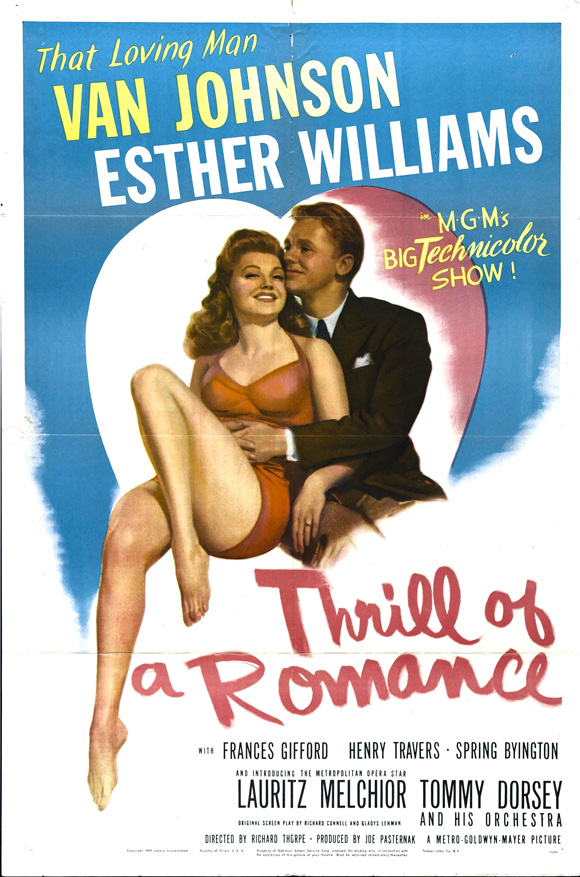
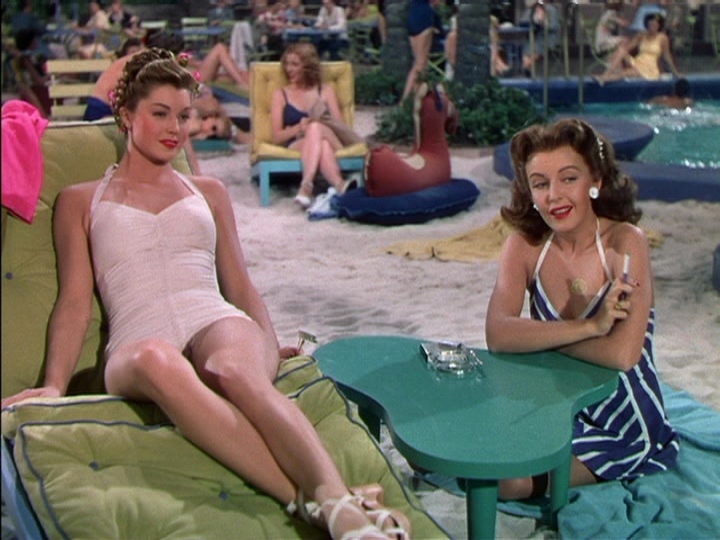
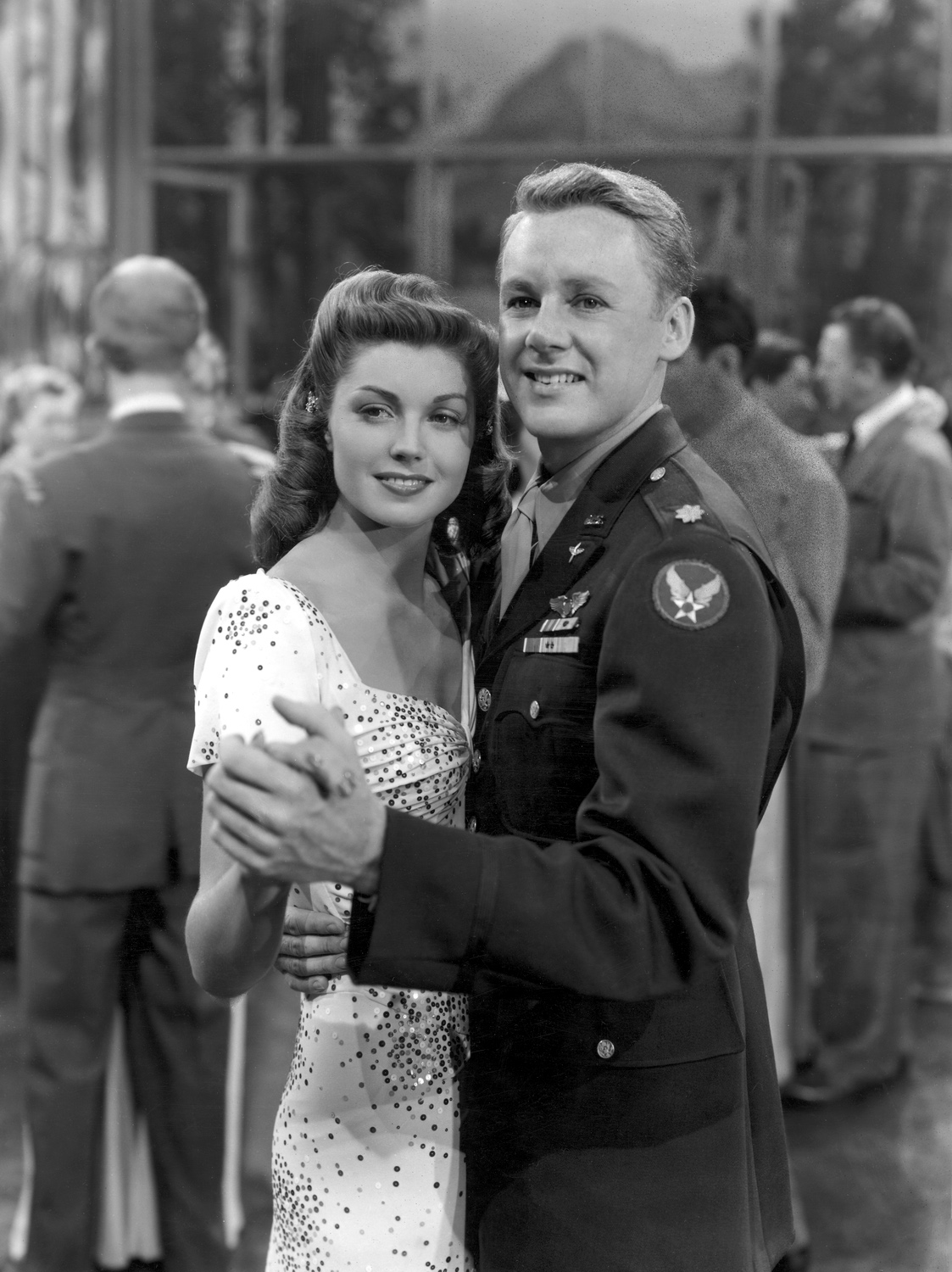
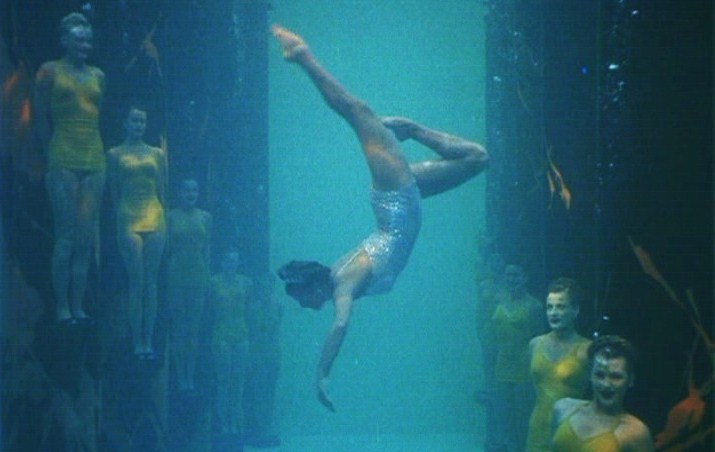
Annie Get Your Gun, Bandwagon, Singin' in the Rain and Meet Me in St. Louis are just a few MGM musicals Arthur Freed produced.

Annie Get Your Gun, Bandwagon, Singin’ in the Rain and Meet Me in St. Louis are just a few MGM musicals Arthur Freed produced.

Singin in the Rain” (1952), “Show Boat” (1950) and “Meet Me in St Louis” (1944)

These are just a few of the well-known, Technicolor MGM musicals that producer Arthur Freed produced.

But before working with some of Hollywood’s most talented stars, Freed was born down south.

Freed, real name Arthur Grossman, was born in 1894 in Charleston, S.C.

His parents, sister and brothers were a musical family. Freed’s father, Max, emigrated from Budapest in the 1880s.

Max Freed sold zithers and encouraged his children’s musical talents. Arthur’s brother Walter became an organist, Sydney and Clarence had recording businesses in Hollywood, Ralph was a songwriter and Ruth also wrote several songs, according to M-G-M’s Greatest Musicals: The Arthur Freed Unit by Hugh Fordin.

Nacio Herb Brown (left) and Arthur Freed (right) in 1929. The two wrote several songs together.

Nacio Herb Brown (left) and Arthur Freed (right) in 1929. The two wrote several songs together.

Though Freed was born in Charleston, he was raised in Seattle, Washington, educated in New Hampshire and started his music career as a song plugger in Chicago.

In Chicago, Minnie Marx, mother of the Marx Brothers, discovered Freed who sang and wrote material for the brothers in vaudeville shows, according to Billboard Aug. 1950.

In 1928, Freed got a job at MGM studios where he wrote songs with Nacio Herb Brown such as “Broadway Melody,” “Singin’ in the Rain,” “You are My Lucky Star” and “Temptation.”

Freed began producing films in the late 1930s and became interested in helping promote Judy Garland’s career.

Judy Garland and Arthur Freed

Judy Garland and Arthur Freed

From 1939 to 1960, Arthur Freed produced 44 films. It’s safe to say I have seen every Freed production.

After working with  some of MGM’s top talents and winning an Academy Award for Best Picture for “Gigi,” Freed left the studio in 1961.

Freed died at the age of 78 in 1973 and was buried in Culver City, California.

Although Freed did not spend much of his life in Charleston, I felt it important that one of Hollywood’s most prolific producers was born in my birth state of South Carolina.

Check out the Comet Over Hollywood Facebook page 

Comet goes on stage

What do I have in common with two Academy Award winning actresses, Celeste Holm and Gloria Graham?

The three of us have all played Ado Annie in the musical “Oklahoma.”

Shirley Jones and Gordon MacRea in "Oklahoma"

Shirley Jones and Gordon MacRea in “Oklahoma”

I open tonight and will perform the role this weekend and next weekend at the Kings Mountain Little Theater in North Carolina.

Though I love films, I’ve never considered being an actor. But my love for musicals is what brought me to the stage.

As I’ve mentioned in the past I’ve seen 467 movie musicals, ranging from Busby Berkeley kaleidoscope Warner Brothers films to candy-colored MGM extravaganzas.

Last summer while I was working and living in Elkin, NC, the local theater group began holding auditions for “Annie Get Your Gun.” I felt ridiculous trying out, since I had never performed in a play before, but visions of Betty Hutton singing in the movie version of the musical drove me to try out.

Similarly, the same visions struck me this winter when I found out auditions were being held for “Oklahoma,” but these included Shirley Jones, Gordon MacRea, Gloria Grahame and Gene Nelson.

“Oklahoma” originated on Broadway in 1943 with actress Holm as Ado Annie. Holm tried out for the role so she could do her part during World War II.

“There was a need for entertainers in Army camps and hospitals,” Holm said. “The only way you could do that was if you were singing in something.”

Holm later went on to Hollywood to star with Bette Davis in “All About Eve” (1950) and won an Academy Award for Best Supporting Actress for the film “Gentlemen’s Agreement” (1947).

Eddie Albert, Gloria Grahame and Gene Nelson

Eddie Albert, Gloria Grahame and Gene Nelson

When “Oklahoma” was made into a film in 1955, sexy actress Gloria Grahame was cast as Ado Annie. But Grahame wasn’t the first pick for the role.

Grahame won an Academy Award for Best Supporting Actress for “The Bad and the Beautiful” (1952).

Betty Hutton, who was Annie Oakley in the film “Annie Get You Gun,” was approached to play “the girl who cain’t say no” but she declined.

She turned down “Oklahoma” to do the TV spectacular “Satins and Spurs,” which flopped. She later regretted turning down the role when she saw Rogers and Hammerstein were personally overseeing the film.

Hutton would have been perfect for the comedic role in the “Oklahoma” and I think it would have jumpstarted her failing career.

The trouble with Grahame is that she was constantly trying to make the role too sexy rather than cute and funny, according to IMDB. To remedy this, two comedic dancing girls were added to the film.

Grahame was also very tone deaf so her music had to be edited together, according to IMDB.

Blond bombshell Mamie Van Doren was also interested in the role of Ado Annie. Others who auditioned for roles included Robert Stack, Piper Laurie, Lee Marvin, Vic Damone, Dale Robertson and Joan Evans were all screen tested for various roles.

Sadly, the movie “Oklahoma” also wasn’t filmed in the state of Oklahoma but in Arizona.

Me as Ado Annie in "Oklahoma"

Me as Ado Annie in “Oklahoma”

Though this is my second play, I don’t think the play bug has bit me. I simply do it because of my love of classic films.

What have classic films driven you to do in your daily life?

Check out the Comet Over Hollywood Facebook page 

“She didn’t want to be famous, she wanted to be happy”: Remembering Jean Harlow

**Above quote said by Clark Gable.

Today, Comet is remembering Jean Harlow on her 102 birthday, one of the most beautiful women to grace Hollywood.

“In the first sitting, I fell in love with Jean Harlow,” said photographer Charles Sinclair Bull. “She had the most beautiful and seductive body I ever photographed.”

Harlow paved the way for platinum blondes of the 1950s such as Mamie Van Doren and Marilyn Monroe. She died at the age of 26 in June 1937 of uremic poisoning brought on by acute nephritis.

“She was a square shooter if there ever was one,” Spencer Tracy said.

Harlow off the movie screen

Harlow with a young fan outside of Grauman's Chinese Theater in 1933.

Harlow with a young fan outside of Grauman’s Chinese Theater in 1933.

Watching the National Air Races of Los Angeles Municipal Airport in 1933. She raised the flag tobegin the races.

Watching the National Air Races of Los Angeles Municipal Airport in 1933. She raised the flag tobegin the races.

Celebrating the end of Prohibition, Harlow christens a truck load of beer in 1933. Pictured with Walter Huston.

Celebrating the end of Prohibition, Harlow christens a truck load of beer in 1933. Pictured with Walter Huston.

Harlow with fiance William Powell at William Randolph Hearst's birthday party in 1936

Harlow with fiance William Powell at William Randolph Hearst’s birthday party in 1936

Harlow lets out toads for a Horned Toad Derby in 1931.

Harlow lets out toads for a Horned Toad Derby in 1931.

Harlow with First Lady Eleanor Roosevelt in 1937, celebrating the 55 birthday of President Roosevelt. She was also helping raise funds for infantile paralysis.

Harlow with First Lady Eleanor Roosevelt in 1937, celebrating the 55 birthday of President Roosevelt. She was also helping raise funds for infantile paralysis.


 Harlow Fashion

Harlow was well known for slinky, white satin gowns. In April 2012, Time listed her as one of the top 100 fashion icons of all time.

Harlow

Harlow in her signature style of a slinky gown

Harlow in a suit designed by Adrian, who shares a birthday with her

Harlow in a suit designed by Adrian, who shares a birthday with her

Harlow in fur

Harlow in fur

Harlow in shorts

Harlow in shorts

Harlow in 1933. A gold and sequined gown with an Oriental influence

Harlow in 1933. A gold and sequined gown with an Oriental influence

Harlow in 1933 in riding clohes

Harlow in 1933 in riding clothes

Harlow on set of film "Personal Property" in 1937

Harlow on set of film “Personal Property” in 1937

Harlow and furry friends 

It’s said Harlow was a lover of animals. On the day Rin Tin Tin died in 1932, jut a month shy of 14, Rinty was no longer strong enough to go to his master’s side. Harlow, who lived across the street, came over and cradled his head in her lap as he died. Years before Lee Duncan had given her one of Rinty’s first puppies.

Harlow and her dachshund Nosey

Harlow and her dachshund Nosey

Jean Harlow hugging her Pomeranian, Oscar

Jean Harlow hugging her Pomeranian, Oscar

Harlow in 1936 with her dog

Harlow in 1936 with her dog

Jean Harlow in 1932 with a Borzoi

Jean Harlow in 1932 with a Borzoi

Harlow in her mother

When Harlow died, her mother estate was left to her mother which worth roughly $1 million.

Jean Harlow with her mother

Jean Harlow with her mother

Harlow and Jean Bello in 1935

Harlow and Jean Bello in 1935

Harlow and her mother in 1932

Harlow and her mother in 1932

Check out the Comet Over Hollywood Facebook page 

“But first and foremost, I remember mama”

An actress won an Academy Award in 1948 for not saying a word.

But the actress I feel should have won, spoke with a Norwegian accent.

Jane Wyman won the Academy Award for Best Actress for the role as a deaf/mute in “Johnny Belinda.”

Jane Wyman winning the Academy Award for Best Actress for Johnny Belinda

Jane Wyman winning the Academy Award for Best Actress for Johnny Belinda

“I accept this very graciously for keeping my mouth shut once, I think I’ll do it again,” Wyman said when she accepted the award.

While I enjoy the movie “Johnny Belinda” and think Wyman did a good job, she isn’t the actress I would have picked.

The nominations that year were:

•Jane Wyman for “Johnny Belinda

•Ingrid Bergman for “Joan of Arc

•Olivia de Havilland for “The Snake Pit

•Irene Dunne for “I Remember Mama

•Barbara Stanwyck for Sorry, Wrong Number

Of the five women, I would have picked Olivia de Havilland or Irene Dunne.

I’m a huge Stanwyck fan, but her performance in “Sorry, Wrong Number” annoys me. I’ve never seen “Joan of Arc.” Olivia de Havilland gives a convincing, heartbreaking performance of a woman who can’t remember how she got into a state asylum in “The Snake Pit.”

But today I’m here to recognize Irene Dunne for her role as Martha “Mama”Hanson in “I Remember Mama.”

The movie, narrated by her daughter Katrin (Barbara Bel Geddes), follows a Norwegian immigrant family in 1910 San Francisco as they grow up and face joys and sadness.

“For long as I could remember, the house on the Larkin Street Hill had been home. Papa and Mama had both born in Norway but they came to San Francisco because Mama’s sisters were here, all of us were born here. Nels, the oldest and the only boy, my sister Christine and the littlest sister Dagmar but first and foremost I remember Mama,” she narrates.

The Hanson family gathered, counting their expenses.

The Hanson family gathered, counting their expenses.

And every night the family would gather together, counting their expenses and the money brought into the house. The family never wanted to go “to the bank,” a little box kept in a closet with money that was supposed to be saved to get Mama a warm winter coat.

When the family wouldn’t have to take money from the bank, Mama would sigh happily and say, “It’s good, we do not have to go to the bank.”

The movie is filled with memorable scenes:

•Dagmar (June Hedin) has surgery and Mama isn’t allowed to see her. “I’m not a visitor, I’m her mama,” she says. Mama knows Dagmar is afraid staying in the hospital overnight, so pretends to be a cleaning woman and cleans the hospital floors working her way to the children’s ward. She then sings Dagmar, and all the other children to sleep.

Mama (Irene Dunne) pretends to be a wash woman in the hospital to see her daughter, Dagmar. (LIFE photo by Allan Grant)

Mama (Irene Dunne) pretends to be a wash woman in the hospital to see her daughter, Dagmar. (LIFE photo by Allan Grant)

•Papa (Philip Dorn) is watching as his son Nels (Steve Brown) tries to smoke a pipe for the first time. He lights the pipe for Nels, knowing his son will get sick, and then comforts him when he does-teaching him a lesson in smoking.

•Aunt Trina (Ellen Corby) wants to marry Mr. Thorkelson (Edgar Bergen), the shy funeral director, and her sisters make fun of her. Mama makes them stop by subtly reminding them about how one cried all night on her wedding night and the other’s husband tried to run away before the wedding.

•Mama (Dunne) goes to see famous writer Florence Dana Moorhead (Florence Bates) to help Katrin with her writing. Mama gives Miss Moorhead, a lover of food, recipes in exchange for Miss Moorhead to read Katrin’s stories.

I found Dunne’s role to be heartwarming and believable. In the film she handled situations firmly, with tenderness or humor.  The warm nature of the film may not have made it memorable to the Academy, but I like movies about families. I suppose it makes me think of my own and how my mother likes this movie as well.

This was Dunne’s last of five Oscar nominations she would receive. The others were “Cimarron,” “Theodora Goes Wild,” “The Awful Truth” and “Love Affair.”

While the performances by Jane Wyman and Olivia De Havilland were good, for me “first and foremost, I remember mama.”

oscar

This post is part of the 31 Days of Oscar Blogathon, hosted by Once Upon a ScreenOutspoken & Freckled and Paula’s Cinema Club. It runs Feb. 1 – Mar. 3, in conjunction with Turner Classic Movies’ 31 Days of Oscar.

Favorite Films: So Proudly We Hail (1943)


Claudette Colbert, Paulette Goddard, Veronica Lake

Claudette Colbert, Paulette Goddard and Veronica Lake.

The three very different Paramount Pictures actresses are brought together to star in one of my favorite 1940s films, “So Proudly We Hail” (1943).

The film follows a group of U.S. Army nurses- Claudette Colbert (as Lt. Janet Davidson) and Paulette Goddard (as Lt. Joan O’Doul)- who leave for Hawaii for their tour of duty. Shortly after they leave, Pearl Harbor is attacked and the United States is brought into World War II. The military ship picks up nurses and wounded from Pearl Harbor, one a troubled nurse Lt. Olivia D’Arcy, played by Veronica Lake. The nurses are then sent to the Philippines, first assisting soldiers in Bataan and then evacuating to Corregidor.

From a dramatization of Doolittle’s Raid in “Thirty Seconds Over Tokyo” to “Mrs. Miniver” showing life on the British home front and the Battle of Dunkirk, Hollywood made several films that depicted what was going on overseas during World War II.

While I enjoy most 1940s era World War II films, I love “So Proudly We Hail” because of its focus on military nurses.

Lt. Summers (George Reeves) and Lt. Davidson (Claudette Colbert)

Lt. Summers (George Reeves) and Lt. Davidson (Claudette Colbert)

Colbert is the real star of the film; the rock of the group of nurses, leading them to aid injured soldiers. Goddard and Lake flank her as secondary female leads: Goddard the flirty, glamor girl and Lake the troubled, quiet nurse.

Their differences in real life as actresses as well as the differences in their characters illustrate the wide range of people who were brought in to serve together during war time.

“The events in this movie were still very much on the minds of Americans when this film came out,” said Turner Classic Movies prime time host Robert Osborne in the DVD introduction. “Events in the movie had happened for real recently and news reports were still coming out.”

Movies like this are made to make viewers feel proud and patriotic of their country, but what I like about “So Proudly We Haill” is that I feel it’s fairly realistic.

Nurses with 104 degree temperatures from malaria are still caring for men while others are craving tomatoes and milk, items that can’t be found on the military front.

“What is a heroine,” One nurse asks, tired of all the attention on their voyage home.

“I don’t know. Anyone who is still alive,” another says.

Joan (Paulette Goddard) and Kansas (Sonny Tufts)

Joan (Paulette Goddard) and Kansas (Sonny Tufts)

While Claudette Colbert is consistently good in all of her films, “So Proudly We Hail” gave Veronica Lake and Paulette Goddard the chance to show off their acting chops.

One scene that sticks out is when Goddard and Colbert find out why Lake acts cold towards the other nurses:

She opens up to Colbert about why she is angry and is there to “kill Japs”:

“Today is Christmas, isn’t it? The time for cheer and good fellowship and for peace. Well, today’s my wedding day. He and I were to be married today in St. Louis. And why weren’t we? Because he’s dead. He died that first morning. They killed him. I saw him. He was running across the field to his plane and they killed him. Sixty bullets – sixty! By the time I got to him he was dead. His face was gone – I couldn’t see him anymore. Just blood – blood all over.”

For Goddard, the scene that sticks out is when she tearfully says goodbye to soldiers in a military hospital before being shipped back to the United States.

When the film starts, Goddard is flirty, saying she has two fiancés, because she can’t say no to an engagement. But throughout the film, as she sees the horrors of war, she wants to help in every way she can, attending to soldiers and never sleeping. At the end she gives the wounded soldiers small gifts of hers and her old love letters for some laughs.

Other scenes that stick out to me:

• When Pearl Harbor is attacked, the nurses and military personnel are on a boat several miles out watch the bombing. There are screams of horror and disbelief, though they watch the attacks.

• Lt. O’Doul (Goddard) wearing a lacy black nightgown throughout the film. The night gown first enters as a dress for the Christmas party. Later she wears it every night to keep her moral up.

• The son of Nurse Capt. “Ma” McGregor has his legs amputated and soon after dies. Her son never knew his father, because he died in battle, and now Ma’s grandson won’t know his father either.

“My son like his father died for what he knew what is right. And if we don’t make it right, then they will all rise up and destroy us,” she says.

•The scene when the nurses are left behind during an evacuation. The nurses are the last to ship out during evacuation as the Japanese move closer. Lt. O’Doul forgets her nightgown, holding their truck up and the male drivers are shot. As Lt. Davidson (Colbert) searches for the truck keys to drive them out the nurses panic.

Veronica Lake "surrendering" to Japanese.

Veronica Lake “surrendering” to Japanese.

“I was in Nanking. I saw what they did. They fight over the women like dogs,” said Lt. Peterson (Ann Doran) panicking.

-During this scene is when Lt. D’Arcy dies. She takes a grenade, pulls out the pin, puts it in her uniform and walks towards the Japanese pretending to surrender. She dies to protect her peers and to “kill Japs” which is what she originally said she wanted to do. The scene is horrifying and shocking for a 1940s film.

• When the Japanese bomb the military hospital, sweet nurse Lt. Rosemary Larson, (Barbara Britton) is killed when the roof of the hospital collapses.

• When Lt. Davidson and Lt. Summers (George Reeves) get married and are given gifts of bread and peanut butter. Another sign of how much items we take for granted were valued.

The movie also has two romances: A playful and joking one between Paulette Goddard and a marine played by Sonny Tufts, and a more serious, passionate one with Claudette Colbert and a soldier played by George Reeves. However, I don’t feel the relationship takes away from the true purpose of the film.

As mentioned before, the three actresses were very different, and it has been rumored that they didn’t get along.

“All three were popular actresses and not accustomed to sharing close-ups,” Osborne said.

In Veronica Lake’s autobiography, she said she got along with her co-stars while it was Colbert and Goddard who locked horn. However, actor George Reeves disagreed.

“George Reeves said Veronica was the difficult one,” Osborne said. “Claudette was the moral builder for the whole cast, and if there was a problem it was because all three were so different. Reeves said it takes three to make a quarrel and Colbert wasn’t into that. She was too busy doing her work.”

 Check out the Comet Over Hollywood Facebook page .

In sickness and in health: Successful Hollywood marriages

Please see Part 2 of this series, which features multiple acting couples. 

This post was updated on Feb. 15, 2017, to note that Jeffrey Hayden, Shirley Temple Black and Joan Leslie had passed away since this post was published in 2013.

Last Valentine’s Day I reviewed the many unsuccessful relationships of actress Lana Turner. This Valentine’s Day, I wanted to look at some of the successful Hollywood relationships. As I started making my list of couples I was dumbfounded to find I had a list of over 60 long Hollywood marriages! Though this isn’t everyone and some of the marriages have a sprinkling of infidelity, here are a surprising amount of lengthy Hollywood couples of the Golden era.

With each marriage I tried to add some back stories or quotes. Some of the relationships have little information, due to the fact that I couldn’t find anything online.

Celebrity couples:

Mary Pickford and Charles Buddy Rogers on their wedding day in 1927

Mary Pickford and Charles Buddy Rogers on their wedding day in 1937

Charles Buddy Rogers and Mary Pickford: (Married June 1937 to her death in May 1979) Adopted two children, Ronnie Charles (1937) and Roxanne (1944-2007). Mary Pickford and Roxanne were estranged when the daughter eloped with a man her parents didn’t approve of. “Wings” (1927) star Rogers said actor Clark Gable said that the marriage wouldn’t last 6 months since Rogers was 11 years younger than Pickford, America’s Sweetheart of the silent era. However, their marriage lasted 42 years. Rogers and Pickford met in 1927 on the set of “My Best Girl” and hit it off. However, Pickford was married to Douglas Fairbanks, Sr. and she was trying to hold their marriage together, which ended in divorce in 1936. After Pickford’s death, Rogers remarried. He passed away in 1999.

The Lloyd Family. Harold with his wife Mildred and their children.

The Lloyd Family. Harold with his wife Mildred and their children.

Harold Lloyd and Mildred Davis: (Married Feb. 1923 to her death in Aug. 1969) Three children, Harold Jr, Gloria and Marjorie. Silent film actors Harold Lloyd and Davis met in 1921 while filming “Grandma’s Boy.” After the couple married, Davis retired from films.

Julie London and Bobby Troup

Julie London and Bobby Troup

Bobby Troup and Julie London: (Married Dec. 1959 to his death in Feb. 1999) Seven children in between them from previous marriages but three children together: Kelly and twins Jody and Reese. London, a jazz singer, and Troup, jazz piano player, were both in the music business. They met in 1955 at the Celebrity Room and he encouraged her career and produced her “Cry Me a River” record. The couple starred in the 1970s medical TV drama “Emergency!” from 1972 to 1979. London played Nurse Dixie McCall and Troup played Dr. Early. Troup said the series was ideal for raising their children.

The Hope family in 1955

The Hope family in 1955

Bob Hope and Dolores: (Married on Feb. 1934 to July 2003) Adopted four children: Eleanor, Anthony, Linda and Kelly. Though Dolores wasn’t famous like Bob, the couple could be compared to American figure heads like a president.  As of 2004, the Hopes hold the record for the longest Hollywood marriage at 69 years.

Bebe Daniels and Ben Lyon with their daughter, Barbara Bebe, in 1933

Bebe Daniels and Ben Lyon with their daughter, Barbara Bebe, in 1933

Bebe Daniels and Ben Lyon: (Married June 1930 till her death in March 1971) Two children, Barbara Bebe and Richard. The couple met in 1925 and Bebe didn’t like Ben until they met again in 1928, according to an article by Phil Watson. From 1950 to 1961, the couple had a radio show about raising their family called “Life with the Lyons.”

Fred MacMurray and wife June Haver with their adopted twin baby girl Laurie Ann and Katherine Marie in 1956

Fred MacMurray and wife June Haver with their adopted twin baby girl Laurie Ann and Katherine Marie in 1956

Fred MacMurray and June Haver: (Married June 1954 till his death in Nov. 1991) Two adopted twin girls, Laurie Ann and Katherine Marie. Musical star Haver left a nun convent to marry MacMurray, who was 18 years her senior. Haver retired from film in 1957 and MacMurray continued on a successful career on television and Disney films. Haver died in 2005.

Singers Phil Harris and Alice Faye with their daughters

Singers Phil Harris and Alice Faye with their daughters

Phil Harris and Alice Faye: (Married May 1941 to his death in August 1995) Two daughters, Alice and Phyllis. Faye’s career with Twentieth Century Fox ended in 1946. From 1948 to 1954 the couple had a radio comedy show called the “Phil Harris Alice Faye Show.”

Joanne Woodward and Paul Newman

Joanne Woodward and Paul Newman

Paul Newman and Joanne Woodward: (Married Jan. 1958 till his death in Sept. 2008) Three children, Melissa, Nell and Claire. The couple met early in their acting in 1953, but Newman was married. They married after his divorce.  Newman was once asked how he stayed true to his wife while being surrounded by beautiful women. He said, “Why go out for hamburger when I have steak at home?” He said their long marriage can be attributed to correct amount of lust and respect.

Tony Martin holding Cyd Charisse in 1953

Tony Martin holding Cyd Charisse in 1953

Cyd Charisse and Tony Martin: (Married May 1948 until her death in June 2008) One child, Tony Jr. The couple met while Charisse’s fame was still growing at MGM.  “She stepped out of a dream,” Martin said about Cyd.

Actress Mitzi Gaynor and her producer husband Jack Bean

Actress Mitzi Gaynor and her producer husband Jack Bean

Mitzi Gaynor and  Jack Bean: (Married Nov. 1954 till his death Dec. 2006) The musical star married talent agent and producer Jack Bean; he called her Yummy and she called him Daddy. Bean helped Gaynor secure her memorable role in “South Pacific” (1958). Bean managed her career with successful television specials. His death nearly ended any desire she still harbored to resurrect her public career. However, Gaynor went back on tour in 2008. The couple had no children.

Comedic couple George Burns and Gracie Allen in 1936 with their children Sandra and Ronnie

Comedic couple George Burns and Gracie Allen in 1936 with their children Sandra and Ronnie

Gracie Allen and George Burns: (Married Jan. 1926 to her death in Aug. 1964) Two children, Sandra and Ronnie. The comedic couple met in 1922 and Allen first played the “straight-man” and Burns had the jokes. Burns switched it he realized Allen was getting all the laughs.

Anne Jeffreys and Robert Sterling in 1954.The couple starred in the Topper TV series together

Anne Jeffreys and Robert Sterling in 1954.The couple starred in the Topper TV series together

Robert Sterling and Anne Jeffreys: (Married Nov. 1951 until his death in May 2006) Three children, Jeffrey, Dana and Tyler. The couple acted on the television series “Topper” from 1953 to 1955.

Frances Dee and Joel McCrea in the 1930s

Frances Dee and Joel McCrea in the 1930s

Joel McCrea and Frances Dee: (Married Oct. 1933 until his death in Oct. 1990) Three sons, Jody (1934), David (1935) and Peter (1955). The couple met on the set of “The Silver Cord” (1933) and he had a crush on her since seeing her in  “An American Tragedy” (1931) and requested that she be cast in his movie.  Joel and Frances began dating after the movie was completed. It was her relationship with McCrea that compelled her to sign with RKO. In 1935, Dee and her McCrea separated, but soon reconciled. Then in 1966, McCrea filed for divorce, charging Frances with cruelty, but they stayed married until McCrea’s death.

Gene Raymond and Jeannette MacDonald in 1955 at a circus themed benefit

Gene Raymond and Jeannette MacDonald in 1955 at a circus themed benefit

Jeanette MacDonald and Gene Raymond: (Married June 1937 till her death in Jan. 1965) No children.  The couple made one movie together, “Smilin’ Through” in 1941.
MacDonald said in 1943, “I can’t believe how blessed I am! I’m married to the most wonderful man, Gene Raymond, whom I’m deeply in love with, and, my career is right where I want it to be. I can live like this forever!”
Raymond said in 1972, “We had 28 glorious years. Jeanette and I respected and loved each other, very deeply. We put one another before anyone or anything. I am blessed to have known her, loved her and been loved by her – absolutely, an incredible lady!”

Ann Rutherford and William Dozier: (Married Oct. 1953 to his death in April 1991) No children together. Rutherford, “Andy Hardy” series actress, married producer Dozier, who later produced and narrated the 1960s television series “Batman.” After their marriage, Rutherford retired from films to be a wife and raise her daughter Gloria, from a previous marriage.

1940s teeny bopper actress Jean Porter with director Edward Dmytryk and their daughter

1940s teeny bopper actress Jean Porter with director Edward Dmytryk and their daughter

Jean Porter and Edward Dmytryk: (Married 1948 to his death in July 1999) Three children: Richard, Victoria and Rebecca. Jean Porter was a teenage star of the 1940s who usually played Shirley Temple or Virginia Weidler’s friend. The couple had a difficult time during the 1950s when Dmytryk was blacklisted as one of the Hollywood Ten who refused to testify before Joseph R. McCarthy’s House of Un-American Activities Committee. Dmytryk was in jail for 6 months. In the mid-1950s he was allowed to his direct again and he worked with Jean in her last movie, The Left Hand of God (1955). After her acting career, Jean became a real estate agent  in the San Fernando Valley.

Newly weds child star Bonita Granville and producer husband Jack Wrather at the breakfast table

Newly weds child star Bonita Granville and producer husband Jack Wrather at the breakfast table

Bonita Granville and Jack Wrather: (Married Feb. 1947 to his death in Nov. 1984) Four children: Molly, Linda, Jack and Christopher. Wrather produced some of the former child star’s young adult films such as  “The Guilty” (1947) and “The Lone Ranger” (1956). ‘The Guilty” was the first film he produced. As Bonita began to have children, she took a step back from acting. Wrather produced television shows such as “Lassie” and was convinced by Walt Disney to build the Disneyland Hotel.

Silent actors Vilma Banky and Rod La Roque in 1927

Silent actors Vilma Banky and Rod La Roque in 1927

Rod La Rocque and Vilma Banky: (Married June 1927 until his death in Oct. 1969) Their wedding was paid for by producer Samuel Goldwyn and was considered one of the most extravagant of all Hollywood parties at the time. La Rocque retired from films in the 1940s and worked in real estate, and Bánky established an educational fund called the Banky – La Rocque Foundation.

John Farrow and Maureen O'Sullivan in 1936

John Farrow and Maureen O’Sullivan in 1936

Maureen O’Sullivan and John Farrow: (Married Sept. 1936 until his death in Jan. 1963) Seven children: Michael, Patrick, John, Mia, Tisa, Prudence and Stephanie.

Helen Hayes and Charles MacArthur and son James. 1955

Helen Hayes and Charles MacArthur and son James. 1955

Helen Hayes and Charles MacArthur: (Married Aug. 1928 to his death in April 1956) Adopted two children: James (of Swiss Family Robinson fame) and Mary (died in 1949 at the age of 19).

Bandleader Kay Kyser with his wife and girl singer, "Gorgeous" Georgia Carroll

Bandleader Kay Kyser with his wife and girl singer, “Gorgeous” Georgia Carroll

Kay Kyser and Georgia Carroll: (Married June 1944 until his death in July 1985) Three children: Kimberly, Carroll and Amanda. Carroll was the singer for Kyser’s jazz band, and he fell in love with her. The couple met during World War II and married two years after Carroll started singing for his band. After World War II ended, Kyser retired to Chapel Hill, N.C. with his wife in 1951. The couple remained there for the rest of their marriage.

Actresses:

Eva Marie Saint and Jeffrey Hayden

Eva Marie Saint and Jeffrey Hayden

Eva Marie Saint and Jeffrey Hayden: (Married Oct. 1951 to until Hayden’s death in 2016) Academy Award winning Best Supporting Actress for “On the Waterfront has been married to director Hayden since 1951. The couple has two children together, Darrell (1955) and Laurette (1958) and three  grandchildren. Saint gave birth to Darrell two days after winning her Oscar. Jeffrey Hayden passed away on Dec. 24, 2016.

Jeanne Crain and her husband Paul Brooks in 1953.

Jeanne Crain and her husband Paul Brooks in 1953.

Jeanne Crain and Paul Brooks: (Married Dec. 1945 to his death on Oct. 2003) “State Fair” actress Crain met Brooks, real name Brinkman, in 1943 while he was a young actor and engineer graduate. The couple eloped in 1945, a marriage her mother was against causing the two to be estranged for several years, according to Glamour Girls of the Silver Screen. The couple had seven children together: Paul (1947), Michael (1949), Timothy (1950), Jeanine (1952), Lisabette (1958), Maria (1961), Christopher (1965). Though the couple remain together for many years, some of it was rocky. Crain filed for divorce in 1956, but they reconciled. Despite the fact that they remained married for so long, from 1978 to 2003, the two live separately  remaining friendly and stay married, because of their Catholic beliefs. Brooks dies two months before Crain does.

Rosalind Russell and Frederick Brisson at the Stork Club after Brisson returned from Europe, serving as General Arnold's chief of radio activities during the war. (1941)

Rosalind Russell and Frederick Brisson at the Stork Club after Brisson returned from Europe, serving as General Arnold’s chief of radio activities during the war. (1941)

Rosalind Russell and Frederick Brisson: (Married Oct. 1941 to her death on Nov. 1976): “His Girl Friday” actress Russell and producer Brisson were married until Russell’s death and had one son, Lance in 1943. Brisson died in 1984

Priscilla Lane and Joseph A. Howard: (Married May 1942 to his death on May 1976): “Arsenic & Old Lace” actress Priscilla Lane met Howard, an Army Air Force lieutenant, in 1942. After World War II ended, the couple lived in New Mexico and then moved to California where Howard was a building contractor. Lane retired from movies, a decision her husband left to her, in 1948 and the couple had four children together: Joseph (1945), Hannah (1950), Judith (1953) and James (1955). The couple later moved to New England where Lane was a Girl Scout troop leader, went to church and volunteered at hospitals. She said she never regretted leaving Hollywood. Howard died in 1976, something Lane never got over. He was buried in Arlington Cemetery in Virginia and Priscilla was buried with him when she died in 1994.

Shirley Temple and Charles Black in Washington, DC in 1953.

Shirley Temple and Charles Black in Washington, DC in 1953.

Shirley Temple and Charles Black: (Married Dec. 1950 to his death on Aug. 2005): On their way to get married, Black admitted he had never seen any of the child actress’s films. Shirley Temple said it’s corny but it was love at first sight when they first met in Honolulu where he was working for a shipping company. Black served on a Commerce Department advisory committee and National Research Council panels. He co-founded a Massachusetts-based company that developed unmanned deep-ocean search and survey imaging systems. He also served in the Navy during the Korean War. The couple had two children together: Charlie (1952) and Lori (1954) and Black adopted Temple’s daughter from her marriage with John Agar, Linda (1948). Shirley Temple passed away on Feb. 10, 2014.

Claudette Colbert and Joel Pressman in 1938 at the "Alexander's Ragtime Band" premier

Claudette Colbert and Joel Pressman in 1938 at the “Alexander’s Ragtime Band” premier

Claudette Colbert and Dr. Joel Pressman: (Married Dec. 1935 to his death on Feb. 1968). The “It Happened One Night” actress Colbert married Pressman, a surgeon at UCLA, and were married for 33 years. The couple had no children.

Joan Leslie and Dr. William G. Caldwell: (Married March 1950 to his death on April 2000): “Yankee Doodle Dandy” actress, Joan Leslie, married the UCLA graduate and retired from acting when she had her twin daughters Patricia and Ellen. Caldwell passed away in 2000 and Leslie passed away on Oct. 15, 2015.

Irene Dunne and Francis Dennis Griffin in 1952

Irene Dunne and Francis Dennis Griffin in 1952

Irene Dunne and Frances Dennis Griffin: (Married July 1928 to his death on Oct. 1965) “The Awful Truth” actress married a New York dentist and kept a long distance relationship with him in the first few years of their marriage. Frances finally gave up his dental practice and joined Dunne in Hollywood. The couple adopted their daughter named Mary Frances 1936.

Dorothy McGuire and John Swope: (Married July 1942 to his death on May 1979): The “Old Yeller” actress married LIFE Magazine photographer Swope in 1943 and the couple had two children: Mark and Topo. McGuire died in 2000.

Ann Blyth and Dr. James McNulty

Ann Blyth and Dr. James McNulty

Ann Blyth and Dr. James McNulty: (Married June 1953 to his death on May 2007) The couple had five children:Timothy, Maureen, Kathleen, Terence and Eileen. “I picked the right man. He has a great sense of humor, and has always been very supportive,” she said about being able to keep a successful relationship in Hollywood.

Actors: 

Fredric March and his wife Florence in 1946.

Fredric March and his wife Florence in 1946.

Fredric March and Florence Eldridge: (Married May 1927 to his death April 1975) Adopted two children: Penelope (1932) and Anthony (1934). Though Florence was not as big of a star as her “The Best Years of Our Lives” acting husband, the couple acted alongside each other in films, on the radio and in plays. These include The Studio Murder Mystery (1929), Les Misérables (1935), Another Part of the Forest (1948), An Act of Murder (1948), Christopher Columbus (1949), and Inherit the Wind (1960). On TV, she appeared with him in the “Producers’ Showcase” (1954) presentation of ‘Dodsworth’ on April 30, 1956.

Robert Mitchum in 1945 with his wife Dorothy and sons, Christopher and James

Robert Mitchum in 1945 with his wife Dorothy and sons, Christopher and James

Robert Mitchum and Dorothy: (Married March  1940 to his death on July  1997)  Three children Christopher, Trini and James. Though the couple was together for many years, unfortunately Robert had several affairs throughout the 60 year marriage.

Don Ameche and Honore Prendergast: (Married Dec. 1932 to her death in Sept. 1986) The couple had 6 children: Ronald, Dominic, Thomas, Lonnie, Bonnie and Connie.

Dan Duryea with wife Helen and their two children

Dan Duryea with wife Helen and their two children

Dan Duryea and Helen Bryan: (Married April 1932 to her death on Jan. 1967). two children: Peter (1939) and Richard (1942). Though Dan Duryea usually played a slimy character in movies, he was a friendly fellow in real life. He enjoyed gardening and was active as a Boy Scout master and in the school PTA. His gravestone even reads, “Our pop-A man loved by everyone.”

Walter Brennan and  Ruth Wells: (Married Oct. 1920 to his death on Sept. 1974). Three children: Ruth, Arthur and Andy,

Walter Pidgeon and his wife Ruth

Walter Pidgeon and his wife Ruth

Walter Pidgeon and Ruth Walker: (Married Dec. 1931 to his death on Sept. 1984) Ruth Walker was Pidgeon’s secretary when they got married in 1931. They had no children together.

Danny Thomas wife his wife and three daughters

Danny Thomas wife his wife and their children

Danny Thomas and Rose Marie Mantell Thomas: (Married Jan. 15, 1936 to his death on Feb. 6, 1991). Three children: Tony, Terre and Marlo, of “That Girl” fame. Danny met Rose while performing on the radio show “The Happy Hour Club.” His children continued to work as actors and producers.

Robert and Rosemarie Stack in 1961

Robert and Rosemarie Stack in 1961

Robert Stack and Rosemarie: (Married from Jan. 1956 to his death in March 2003). Two children: Charles and Elizabeth. Both acted in Hollywood, but Rosemarie was not as successful in acting as Robert. Rosemarie gave up her acting career temporarily while their children were young. The couple enjoyed outdoor activities such as sailing and riding.

Basil Rathbone and his wife on their wedding day

Basil Rathbone and his wife on their wedding day

Basil Rathbone and  Ouida Bergère: (Married on April 1926 to his death in July 1967). Adopted one daughter, Cynthia in 1939. Swashbuckling actor Basil Rathbone met scriptwriter Ouida in 1923. They fell in love and Rathbone had to divorce his current wife before they could marry. Basil and Ouida enjoyed reading books and watching boxing, baseball and golf. Ouida gave up her writing career to help Basil manage his acting.

James Cagney's family visiting him on the set of "Run For Cover" in 1955.

James Cagney’s family visiting him on the set of “Run For Cover” in 1955.

James Cagney and Frances: (Married on Sept. 1922 to his death in March 1986): Two childre: Casey and James Jr. Cagney married dancer Frances after meeting in the chorus line of “Pitter Patter.” Though Merle Oberon tried to seduce Cagney, he never cheated on his wife.

Charles Boyer and his wife Pat

Charles Boyer and his wife Pat

Charles Boyer and Pat Paterson: (Married on Feb. 1934 to her death in Aug. 1978) One child, Michael. The couple met at a dinner party in 1934 and married after a three month courtship. Pat had a few small roles in Hollywood while Charles was more successful in acting. Boyer was described by friends as a “happily married book-worm and a stick in the mud.” Boyer committed suicide two days after his wife died of cancer. Their only son died in 1965 by committing suicide after having a fight with his girlfriend. At the time of Michael’s death, Charles was filming a movie in Europe. Pat and Charles never recovered from their son’s death.

Joseph Cotten and Patricia Medina: (Married Oct. 1960 to his death in Feb. 1994)  In Cotten’s autobiography “Vanity Gets You Somewhere,” he said Medina was the love of his life.
Joseph once said:  “My wife told me one of the sweetest things one could hear: “I am not jealous. But I am truly sad for all the actresses who embrace you and kiss you while acting, for with them, you are only pretending.”

Louis Jourdan with his wife

Louis Jourdan with his wife

Louis Jourdan and Berthe Quique’ Frederique Jourdan: (Married March 1946 to present.) One child, Louis Henry who predeceased his parents in 1981. Louis met Berthe through the Underground with the French Resistance. The couple married in Paris, which was a day Jourdan said was “the happiest day of his life.”

Gregory Peck and Veronique in 1962

Gregory Peck and Veronique in 1962

 Gregory Peck and  Veronique: (Married Dec. 1955 to his death in June 2003) Two children, Tony (1956) and Cecilia (1958). The couple met while Veronique, a young journalist, was interviewing him in 1953 for France Soir in Paris. Veronique became a U.S. citizen in 1976. The couple raised over $50 million for the American Cancer Society in the 1960s and were actively involved in politics.

James and Gloria Stewart with their twin daughters

James and Gloria Stewart with their twin daughters

James Stewart and  Gloria Stewart: (Married Jan. 1949 to her death in Feb. 1994) Two children, twin girls Judy and Kelly. Stewart adopted his wife’s children from a previous marriage as well, Ronald and Michael. Stewart married Gloria, a former model, after returning from serving in World War 2. “I pitched the big question to her last night and to my surprise she, she, she said yes,” he said. Their son Ronald was killed in action during the Vietnam War. Throughout his time in Hollywood, James was always faithful to his wife.

Jack Benny and Marry Livingstone

Jack Benny and Marry Livingstone

Jack Benny and Margaret Livingstone: (Married Jan. 1927 to his death in Dec. 1974) One child. Jack met Mary Livingstone in Vancouver British Columbia when he was appearing there,  at the Orpheum there as well. Ten years younger than him, Benny feared Margaret was to young to marry him. However he eventually proposed. The two performed on the radio together. The comedian delivered a rose to his wife almost every day until he died.

Dennis Morgan and Lillian Vedder: (Married Sept. 1933 to his death in Sept. 1994) Three children. “It’s not the easiest thing in the world to be a success in Hollywood and still be the ordinary husband and father,” Morgan said.

Dana Andrews and his wife Mary

Dana Andrews and his wife Mary

Dana Andrews and  Mary Todd: (Married Nov. 1939 to Dec. 1992) Three children: Stephen,  Katharine and Susan.

Kirk and Anne Douglas in 1957 at the Golden Globes

Kirk and Anne Douglas in 1957 at the Golden Globes

Kirk Douglas and  Anne Douglas: (Married May 1954 to present) Two children: Peter and Eric. Douglas married the German producer, Anne, after ending his first marriage with Diane. This past Thanksgiving, the two helped serve Thanksgiving Dinner to the homeless in Los Angles.

Ricardo Montalbon and his wife Georgiana in 1951 with their children Laura, Mark and Anita

Ricardo Montalbon and his wife Georgiana in 1951 with their children Laura, Mark and Anita

Ricardo Montalban and Georgiana Young: (Married Oct. 1944 until her death in Nov. 2009) Four children: Victor, Laura, Mark and Anita. Georgiana was the sister of Loretta Young, making Montalban her brother-in-law. Ricardo nicknamed his wife “Georgie.”

Paul Henreid and Elizabeth “Lisl” Camilla Julia Gluck: (Married Jan. 1936 until his death in March 1992) Two children.

Eddie cantor and his wife Ida

Eddie cantor and his wife Ida

Eddie Cantor and Ida Tobias Cantor: (Married June 1914 to Aug. 1962) Four children: Marilyn, Marjorie, Natalie, Edna and Janet. The comedian had a running joke in his jokes about his “five un-marriageable daughters” which didn’t always please his daughters.

Donald O'Connor and his wife Gloria on their wedding day

Donald O’Connor and his wife Gloria on their wedding day

Donald O’Connor and Gloria Noble: (Married Oct. 1956 until his death in Sept. 2003) Three children: Alicia, Donald Frederick and Kevin.

Cecil B. DeMille with Hestons: DeMille makes a contract for baby Frazer to play Moses with his dad in "The Ten Commandments"

Cecil B. DeMille with Hestons: DeMille makes a contract for baby Frazer to play Moses with his dad in “The Ten Commandments”

Charlton Heston and Lydia Clarke: (Married Mach 1944 until his death in April 2008) Two children: Frazer and Holly. Charlton married Lydia the same year he joined the military. After the war, the couple tried to find work as actors in New York until they decided to manage a theater in Asheville, NC, before Charlton became famous in Hollywood.

Robert Young in 1954 with his wife and daughters.

Robert Young in 1954 with his wife and daughters.

Robert Young and Elizabeth Louise Henderson: (Married 1933 until her death in April 1994) Four children: Betty Lou Gleason, Carol Proffitt, Barbara Beebe, and Kathy Young. Young, 17, met Elizabeth, 14, when they were in high school, according to his New York Times obituary. Though Young played the perfect father and husband, he also had alcoholism problems and bitterness towards Hollywood. With the help of his wife Elizabeth, he was able to overcome it.

Pat O'Brien and wife

Pat O’Brien and wife

Pat O’Brien and Eloise Taylor: (Married Jan. 1931 to Oct. 1983) One child, three adopted: Sean, Terry, Brigid and Mavourneen.

Though this is not a complete list of long Hollywood marriages, this is a pretty good example that some acting marriages can survive. Others not included are Harry Carey Jr. and Marilyn Fix, Randolph Scott, Harry Carey and Olive Carey, and Nancy Davis and Ronald Reagan.

Who are some long marriages you can think of?

You can read the 2018 follow-up post of more married actors here: https://cometoverhollywood.com/2018/02/14/for-better-or-worse-long-hollywood-marriages/

Check out the Comet Over Hollywood Facebook page 

Did that performance deserve an Oscar?: Luise Rainer in “The Great Ziegfeld” (1936)

This post is part of the 31 Days of Oscar Blogathon, hosted by Once Upon a ScreenOutspoken & Freckled and Paula’s Cinema Club. It runs Feb. 1 – Mar. 3, in conjunction with Turner Classic Movies’ 31 Days of Oscar.

 Occasionally you look at Academy Award winners, raise an eyebrow and say, “Really?”

Luise Rainer’s 1936 Best Actress win for “The Great Ziegfeld” is one of those for me.

Now don’t get me wrong. I adore Rainer, nicknamed “The Viennese Teardrop.”

Luise Rainer as Anna Held in "The Great Ziegfeld"

Luise Rainer as Anna Held in “The Great Ziegfeld”

It’s amazing that she was the first actress to win two Best Actress Awards back to back and is still with us at age 103. She did a good job with her role in “The Great Ziegfeld” but it did not leave me wowed.

The Great Ziegfeld” is a fictionalized biography of Broadway producer Florenz Ziegfeld, played by William Powell.

Rainer plays Anna Held, who the film says is Ziegfeld’s first wife. In reality, Held and Ziegfeld lived together for a year while she was getting divorced. After the divorce was finalized, the couple announced that they considered themselves married, though they never officially were, according to Musicals 101. Ziegfeld later went on to marry Billie Burke, who many people know as Glenda the Good Witch in “The Wizard of Oz” (1939). Burke is played by Myrna Loy in the film.

Out of the nearly three hour movie, Rainer is in roughly 40 minutes.

In the film, Held is a bit of a diva. For example, she throws a temper tantrum (and orchids) when Ziegfeld tells the press that Held bathes in milk for publicity. Another time she gets upset because Ziegfeld is producing two shows, and will only let her be in one.

“I’m so disappointed in you I could scream,” she cries. “I thought you loved me more than anything else in the world. I thought I was your one ideal, your only ambition.”

In the end, Ziegfeld treats Held rather badly, going after a character played by Virginia Bruce in the film. I think Bruce’s character is supposed to be Lilliane Lorraine, who Ziegfeld left Held for in real life. In the movie, Anna Held leaves Ziegfeld after seeing him embracing another woman.

So let’s see who was Rainer up against in 1936:

-Irene Dunne for “Theodora Goes Wild

-Gladys George for Valiant is the Word for Carrie

-Carole Lombard for My Man Godfrey

-Norma Shearer for Romeo and Juliet

Of those films, the only one I haven’t seen is “Valiant is the Word for Carrie.”

Shearer, Dunne and Lombard were already established stars and are all excellent in their films.

However here is why I don’t believe they won:

1. “Theodora Goes Wild” and “My Man Godfrey” both were comedic roles. Though comedy is usually more difficult to perform, it doesn’t seem to be taken as seriously with awards.

2. Shearer is good as Juliet in “Romeo and Juliet,” but she is a 34-year-old woman playing a 16-year-old girl. That may not have had anything to do with her not winning the award, but it does make the role less believable.

The 1936 Academy Awards had other odd nominations:

-Deanna Durbin musical “Three Smart Girls” was nominated for Best Picture

-Stuart Erwin was nominated for Best Supporting Actor for “Pigskin Parade

-Best Song nomination for “Do I Remember?” from “Suzy,” a song performed by a dubbed Jean Harlow.

Apparently, Rainer’s win was also controversial at the time, since she was still rather unknown and the role was considered more a supporting one.

Luise Rainer (center in black) performing "It's Delightful to Be Married."

Luise Rainer (center in black) performing “It’s Delightful to Be Married.”

Some say she won because of the $2 million budget MGM studio head Louis B. Mayer spent on the film (though this doesn’t make since to me, since it also won Best Picture). Others say it’s because of the broken hearted telephone call to Ziegfeld, congratulating him on his marriage to Billie Burke.

Why do I think Rainer won the 1936 Best Actress Award?

I personally wonder if it was process of elimination and reluctance to give the award for a comedic performance.

Who do I feel deserved the award? Either Dunne or Lombard.

Rainer went on to win the Academy Award for Best Actress in 1937 for her role as O-Lan, a Chinese woman, in “The Good Earth.” The role is a personal favorite of Rainer’s, and an award I feel she deserved.

Winning the Academy Award two years in a row is something Rainer said was one of the worse things that could have happened to her.

“The Oscar is not the curse,” she said. “The real curse is that once you have an Oscar, they think you can do anything.”

Check out the Comet Over Hollywood Facebook page 

Actress beauty tip #28: Norma Shearer complexion

This is the twenty-eighth installment of the monthly classic actress beauty tips that I have read about and tested.  

Healthy, clear skin is something I struggle with on a daily basis. I’ve tried numerous products from exfoliates to acne cream.

Norma Shearer, Mae Murray and Viola Dane in a 1925 Beaute Craft article.

Norma Shearer, Mae Murray and Viola Dane in a 1925 Beaute Craft article.

But according to a 1925 article in Beaute Craft, clear skin revolves around exercise and diet. To testify to this are actresses Norma Shearer, Mae Murray and Viola Dana.

Oddly enough, the article by Pauline Black, correlates bad skin to…constipation, which is connected to poor eating habits.

Black says Shearer gets her clear skin from good diet. Murray’s credits proper exercise and fresh air, and Dana gets her clear skin from correct food and exercise.

Viola Dana, Norma Shearer, Mae Murray

Viola Dana, Norma Shearer, Mae Murray


Black gives suggestions in the article to remedy problems:

Breathing: “No normal woman remains healthy for very long if she does not practice deep breathing, using the entire lung capacity and exercising abdominal muscles as well.”

Water: “Drink enough water. Two glasses immediately upon rising in the morning. A glass after each meal. A glass between meals. A glass upon retiring at night. Some people cannot drink much water easily. You should learn, or drink milk…”

Food: “Eat plenty of vegetables and fruits…Raw cabbage with a little cream dressing is excellent once a day…I would say stop eating meats, eggs, fish and cheese for a few weeks. Give your your digestive apparatus a rest as far as heavy foods are concerned.”

Exercise: “Walking is excellent exercise. Blessed is that girl or woman who has to walk a mile or even two a day to and from work or school.”

For myself, drinking more water and eating well has helped clear up my skin. Lately I’ve been drinking roughly 70 fluid ounces of water a day and have seen major improvements. For diet, the article suggests cabbage, I have been eating kale lately along with fruits and have seen improvements from that as well.

To review: Though the article (found scanned on Beauty is a Thing of the Past blog) gives odd suggestions and reasoning for clear skin, drinking water and eating better has shown improvements with my skin. I have been exercising for several months but change in diet has given me the best improvements.

Check out the Comet Over Hollywood Facebook page 

Classic films in music videos: “Time is Running Out” by Muse

This is January’s edition of Comet Over Hollywood’s classic film references in music videos.

The English alternative band Muse released the track “Time is Running Out” in the United Kingdom in 2003 and the United States in 2004.

The single was from their third studio released album, Absolution, but was its breakthrough hit in the United States.

In the music video, the band sings on a round table as military personnel sit and dance around the table.

The "war room" in "Dr. Strange Love: or How I Stopped Worrying and Learned to Love the Bomb."

The “war room” in “Dr. Strange Love: or How I Stopped Worrying and Learned to Love the Bomb.”

Dr. Strangelove or How I Learned to Stop Worrying and Love the Bomb (40th Anniversary Special Edition)

The room in the video resembles the “war room” from “Dr. Strange Love or: How I Stopped Worrying and Learned to Love the Bomb” (1964), a comedy satirizing the nuclear war scare of the 1950s and 1960s.

“Time is Running Out” by Muse:

Lead singer of Muse, Matthew Bellamy said in a 2009 interview that foreign policy books influence his lyrics. This may explain his Dr. Strangelove reference in the video.

“George Orwell’s “1984,” you can hear a bit of that creeping into the album (Resistance). I read a lot of foreign policy, political think-tank type books. The Grand Chessboard, by Zbigniew Brzezinskiis a book about America’s desire for hegemonic primacy, world dominance, how they manage the Eurasian land-mass. That sort of Dr. Strangelove style thinking. I love these sort of mad thinkers,” Bellamy said.

The war room scene from “Dr. Strangelove”:

Check out the Comet Over Hollywood Facebook page 


His father called him Dobe: Remembering Harry Carey, Jr.

The heavens gained several stars this year as classic film stars passed away in 2012.

Since Comet Over Hollywood did not give several of them the full attention they deserved, the first month of 2013 will be dedicated to some of the notable celebrities who left us. This is the last of Comet’s 2012 rememberances.

Harry Carey, Jr.

Harry Carey, Jr.

He could be seen frequently along side John Wayne, and his father nicknamed him Dobe for his red hair that resembled adobe soil.

Along with actors Paul Fix, Ward Bond and Mildred Natwick, Harry Carey, Jr. was a staple in John Ford westerns.

Following in the footsteps of his character actor father, Harry Carey, Carey Jr. usually seemed to play a baby faced innocent in westerns.

Coming from the acting family, Carey, Jr. appeared with his father in “Red River” and with his mother, Olive Carey in “The Searchers” and “Two Rode Together.

Three of his first movies starred John Wayne: “Red River” (1948), “3 Godfathers” (1949) and “She Wore a Yellow Ribbon” (1949).

But Carey, Jr. wasn’t just a character actor in John Ford’s films but also was close friends with Ford and John Wayne.

“I loved Duke and he loved me,” Carey said in an interview with in 2009 for the book Duke, We’re Glad We Knew You. “The thing is, I don’t think he ever forgave me for being the son of Harry Carey. Harry Carey was his absolute hero.”

 John Wayne, Harry Carey Jr., Ben Johnson, John Agar and George O'Brien on the set of "She Wore a Yellow Ribbon".

John Wayne, Harry Carey Jr., Ben Johnson, John Agar and George O’Brien on the set of “She Wore a Yellow Ribbon”.

TCM Greatest Classic Film Collection: Legends – John Ford (She Wore a Yellow Ribbon / Three Godfathers / Cheyenne Autumn / Wagon Master)

Carey, Jr. even married within the John Ford stock company, marrying Paul Fix’s daughter, Marilyn from 1944 until his death at the age of 91 on Dec. 27, 2012.

Though Carey, Jr. usually didn’t have  a large role, he always added something special to his films, whether it be a comedic moment or an emotional scene.

Out of all of the John Ford stock players, he was one of my favorites.

“My journey has been that of a character actor,” the New York Times quoted from Carey’s autobiography. “I’ve worked with the great and the not-so-great. But mostly I’ve worked with men and women who loved their profession, and who like me, had kids to raise and houses to pay for.”

Check out the Comet Over Hollywood Facebook page