Classics in the Carolinas: Burt Lancaster and Clemson University

Comet Over Hollywood is doing a mini-series of “Classics in the Carolinas.” I’ll be spotlighting classic movie related topics in South Carolina (my home state) and North Carolina (where I currently live and work).

posterClemson University has a long history in my family.

My great-grandfather graduated from there in 1918, my paternal grandfather went there, my maternal grandfather was the Dean of Science, both my parents attended the school and so did both of my sisters.

But Clemson also has a touch of film history.

In 1973, Clemson, SC and Anderson, SC were the filming locations for the movie “The Midnight Man,” starring and co-directed by actor Burt Lancaster.

In the film, Lancaster plays ex-con Jim Slade who starts working as a night watchman at a local university, Jordan College. The film also stars Cameron Mitchell, Susan Clark and Catharine Bach has a small role.

My mother grew up in Clemson and was a junior at Daniel High School in Clemson during the filming of “The Midnight Man.”

“I remember when the news came out that they were looking at Clemson and a few other places for filming, everyone thought it was very exciting,” said Lisa Pickens, mother of Comet Over Hollywood.
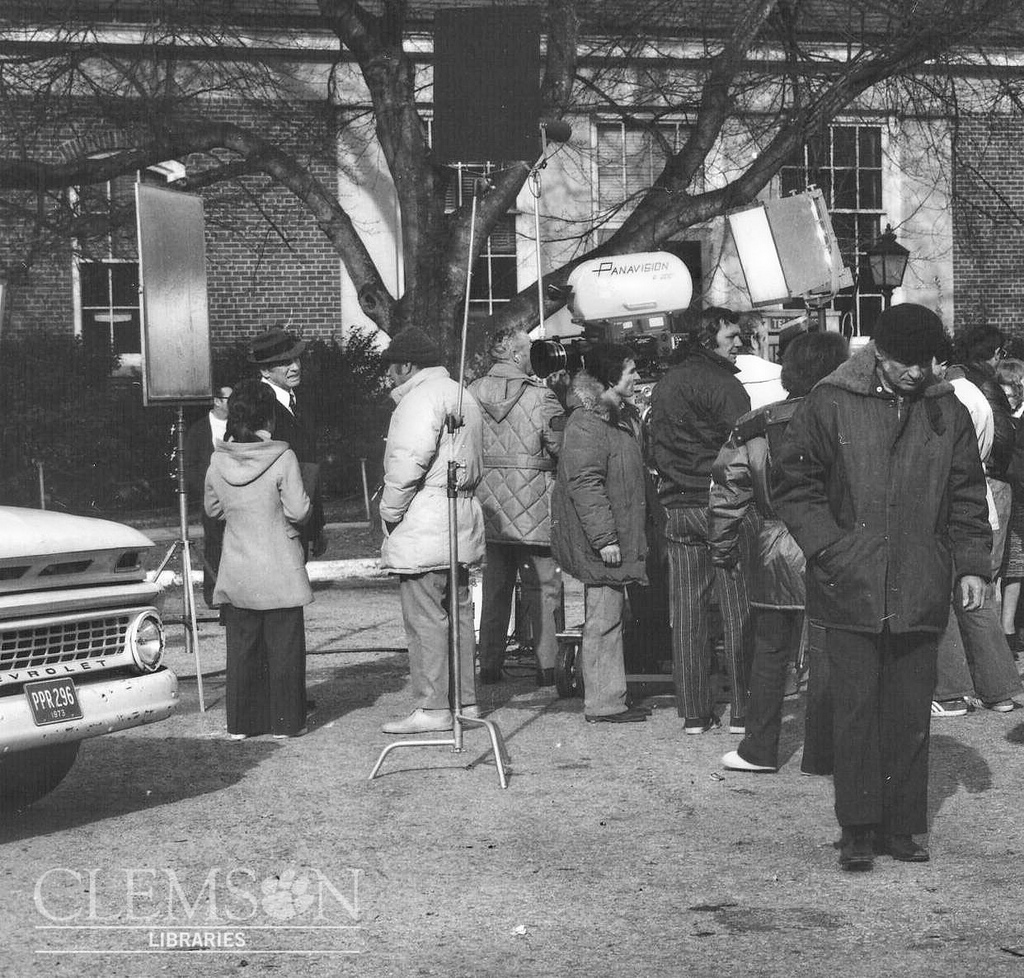
Burt Lancaster filming scenes from "Midnight Man" on the campus of Clemson University. Source: Clemson archives

Burt Lancaster filming scenes from “Midnight Man” on the campus of Clemson University. Source: Clemson archives

Filming locations included areas:

-The campus of Clemson University such as inside Tillman Hall

-Driving down Highway 123 and goes into a bar in Anderson, SC

-The Anderson, SC courthouse

-Cameron Mitchell exercises in Riggs Field, which was Clemson’s second football field from 1915 to 1941 and now is the university’s soccer stadium

-Lancaster gets off the bus in front of Clemson’s post office which is now Mell Hall, Clemson’s Housing Office.

-Swimming pool scenes were filmed in Holtzendorff Hall

“A lot of people thought they should use the balcony of our house,” said Barbara Evers, writer and aunt of Comet Over Hollywood. “I don’t remember why. As far as I know, they never considered it.”

Several locals were used in the filming, including classmates of my mother, Lisa Vogel Pickens, and my uncle Henry Vogel.

“Your Mom heard they were holding auditions in the basement of the Post Office (Mell Hall). She got permission, and we went,” Evers said. “We never found the place where auditions were being held. Your Mom was sure excited, though.  She ran down the stairs of the Post Office.”

Lancaster and Mitchell in a press conference. Source: Clemson TAPS Yearbook 1972-1973

Lancaster and Mitchell in a press conference. Source: Clemson TAPS Yearbook 1972-1973

During the filming of “Midnight Man,” Lancaster was heavily drinking and getting up at 5 a.m. to start filming, according to the Kate Buford book “Burt Lancaster: An American Life.”

“I remember Burt Lancaster stayed in the penthouse of the Clemson House, Clemson’s nicest hotel which now is a dorm for students,” Pickens said. “He complained about the mattress and wanted a king size bed. Friends of my parents, the Whitlocks, let them use their king size mattress. I have no idea why they would do that.”

Filming took six weeks, according to “Burt Lancaster Excites Clemson Campus,” a Feb. 25, 1973, article from the Herald-Journal.

At the time, the Town of Clemson had approximately 5,500 people living there and the university had 9,700 students, according to the article.

Filming on the campus of Clemson University. Source: Clemson TAPS Yearbook 1972-1973

Filming on the campus of Clemson University. Source: Clemson TAPS Yearbook 1972-1973

“Boys at the dormitory window applauded at the end of the scene. Lancaster responded with a smile and then pointed out that one of the boys had a woman with him,” said the Herald-Journal article.

Unfortunately, “Midnight Man” didn’t do well. Both Evers and Pickens recall being disappointed that the film received bad reviews.

“You hope it will do well since it was filmed in your hometown, but it didn’t,” Pickens said.

Other movies filmed in the Upstate of South Carolina include the George Clooney comedy “Leatherheads” (2008), filmed in my hometown of Greenville, SC, and “Radio” (2003) filmed in Walterboro, SC.

“The Midnight Man” was shot from February 1973 until March 1973 and was released on June 10, 1974.

There was a premiere at the Astro Theater in Clemson on March 14, 1974.

“I thought it would be exciting to go to the premiere but Lancaster didn’t show up, so I didn’t go,” Pickens said. “Even in small Clemson, I never ran across the actors.”

Filming crews at Clemson University. Source: Clemson TAPS Yearbook 1972-1973

Filming crews at Clemson University. Source: Clemson TAPS Yearbook 1972-1973

Check out the Comet Over Hollywood Facebook page, follow on Twitter at @HollywoodComet or e-mail at cometoverhollywood@gmail.com

Classics in the Carolinas: Tallulah goes to college

At Byrnes Auditorium at Winthrop University, actress Tallulah Bankhead performed her one of her favorite stage role in the play “Little Foxes.”

Yes, Tallulah Bankhead performed at my alma mater in 1940.

Tallulah Bankhead wasn’t your typical Southern Belle.

Tallulah Bankhead as Regina Giddens in "The Little Foxes."

Tallulah Bankhead as Regina Giddens in “The Little Foxes.”

Born in Huntsville, AL, Bankhead’s father was William B. Bankhead-a politician from Alabama and Representative from 1917 to 1940.

But despite her prominent background, Bankhead has been described as flamboyant, wild and dabbled in alcohol and drugs such as cocaine and marijuana.

She left her Southern roots at the age of 15 to travel to New York to become an actress and made her stage debut in 1918. She later was in Hollywood films starting in the 1930s.

After acting in films alongside Gary Cooper, Robert Montgomery and Charles Laughton, Bankhead made her way back to her southern roots.

In 1939, Bankhead originated the stage role of Regina Giddens in the Lillian Hellman play “The Little Foxes.”

Based in the early 20th century in the South, Regina manipulates her daughter and estranged husband to work out a business deal with her unscrupulous cousins.

“All in all, Regina Giddens is the best role I ever had in the theater,” Bankhead wrote in her autobiography, Tallulah: My Autobiography. “So The Little Foxes is the best play I’ve had. Up to this time most of my roles had been on the light and larkish side.”

Later made into a 1941 film starring Bette Davis, “The Little Foxes” ran for 410 performances at the National Theatre on Broadway.

“The Little Foxes” brought Bankhead to Rock Hill, SC.

Tallulah Bankhead and actress Eugenia Rawls perform in "The Little Foxes"

Tallulah Bankhead and actress Eugenia Rawls perform in “The Little Foxes”

On March 4, 1940, she performed her role of Regina Giddens on the stage of the brand new Byrnes Auditorium of Winthrop College (now Winthrop University) which was an all-girls school until 1975.

“Her seductive southern drawl was an instant hit in South Carolina,” according to the book York and Western York County, SC: The Story of a Southern Eden by J. Edward Lee and Jerry Lee Wes. “After her performance, the audience gave her a standing ovation.”

Bankhead had ties to York County. Her great-great-grandfather George Bankhead moved to lived in Bullock’s Creek, York County South Carolina before moving to Alabama in 1830, according to Lee and Wes’s book.

“As a (local) reporter asked the Hollywood actress about her fast-paced life in California, Bankhead…reminded the journalist, ‘Dahling, I’m from Bullock’s Creek,’” Lee and Wes wrote.

Though Bankhead was not in the film adaptation of the play, her Broadway costars Dan Duryea, Charles Dingle, Carl Benton Reid, and Patricia Collinge starred with Bette Davis.

Knowing that Tallulah Bankhead once walked on a campus where I studied journalism, makes me feel just a little closer to the Golden Era of Hollywood.

Check out the Comet Over Hollywood Facebook page, follow on Twitter at @HollywoodComet or e-mail at cometoverhollywood@gmail.com
Classic in the Carolinas: Lost silent film based on Elkin, NC

Comet Over Hollywood is doing a mini-series of “Classics in the Carolinas.” I’ll be spotlighting classic movie related topics in South Carolina (my home state) and North Carolina (where I currently live and work).

Elkin, North Carolina is a small town of roughly 4,000 people.

It also is the setting of a silent film made in 1915, and the film is currently lost.

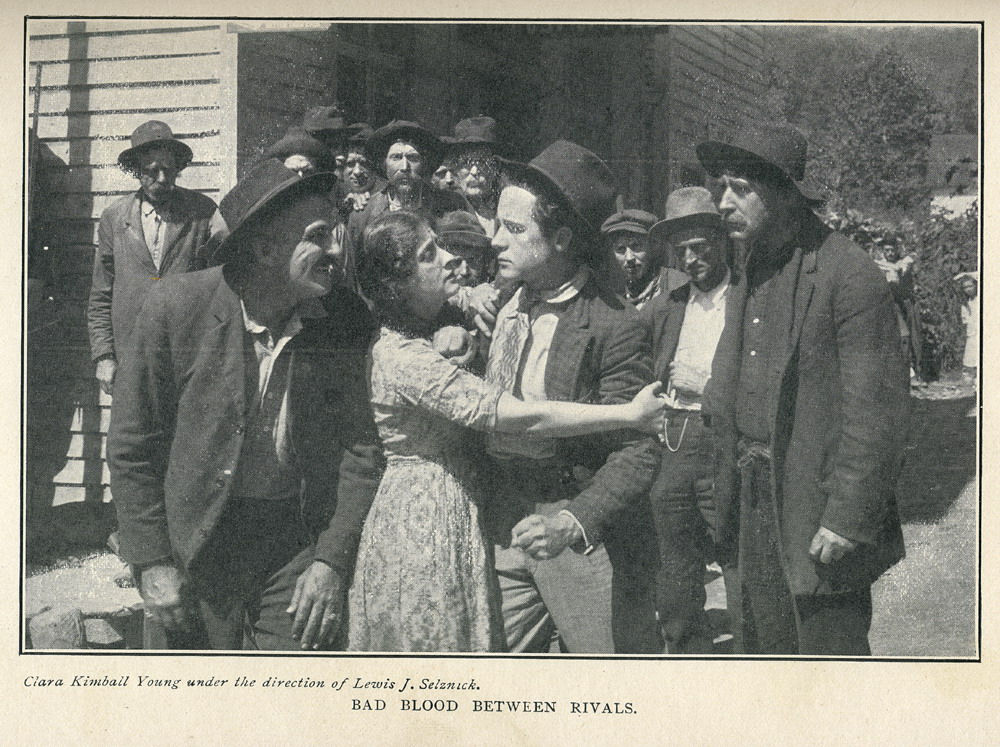
Clara Kimball Young in "Heart of the Blueridge"

Clara Kimball Young in “Heart of the Blueridge” scanned from the book the film was based on.

The film “Heart of the Blue Ridge” is based off a book written by Waldron Baily, a former Elkin mayor.

Baily, originally from Mount Kisco, N.Y., moved to Elkin in 1896 and started Baily Manufacturing Company, according to the history book “Elkin” by Elkin native Jason Couch.

“I called it ‘my Elkin,’ because we all came to love it so,” Baily said in his autobiography published posthumously in 1958.

Baily became mayor in the late 1890s until he moved back up North in 1903, Couch said

“And I, a Yankee…was elected with only two votes over the other fellow,” Baily wrote.

Baily wrote “Heart of the Blue Ridge” book in 1915 after he left Elkin. The book was based off the Stone Mountain and Elkin areas.

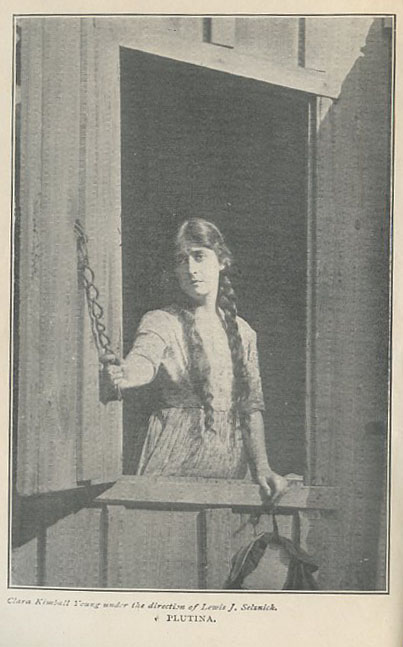
The silent film based on the book was released in October 1915 starring Clara Kimball Young as Plutina, Chester Barnett as Zeke and Robert Cummings as Dan Hodges.

Unfortunately, the film is currently lost.

“Like the overwhelming majority of silent features, it likely remains lost,” said Ihsan Amanatullah of the National Film Preservation Foundation in San Francisco, C.A.

Clara Kimball Young as Plutina in "Heart of the Blueridge." Photo scanned from the movie version of the book.

Clara Kimball Young as Plutina in “Heart of the Blueridge.” Photo scanned from the movie version of the book.

Though the film is about North Carolina it was filmed in the Blue Ridge Mountains of Virginia.

The story follows Zeke (Barnett) and his sweetheart Plutina (Young) and their life in the Blue Ridge Mountains. Zeke is a moonshiner who betrays other moonshiners, which angers the community; causing him to leave the mountains.

But when he hears Plutina is kidnapped, Zeke returns home to rescue her.

The film was re-released in 1917 under the name “Savage Instinct.”

“My characters were all from life with of course a fictional build-up,” Baily said. “It was made into a movie starring the beautiful Clara Kimball Young in the only rough part she ever played.”

Young was married to James Young, the director of “Heart of the Blue Ridge,” but the couple divorced in 1919.

“Heart of the Blue Ridge” was the last film Young made under the direction of her husband James Young, according to Stanford University.

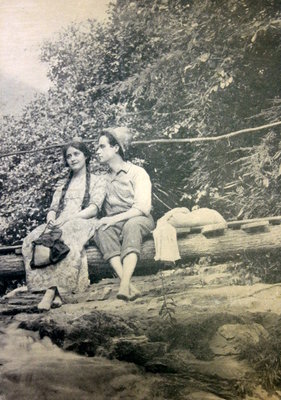
Chester Barnett and Clara Kimball Young in "Heart of the Blue Ridge" scanned from the movie version of the book.

Chester Barnett and Clara Kimball Young in “Heart of the Blue Ridge” scanned from the movie version of the book.

Young was a popular star of the 1910s acting in films such as “Camille” (1915), “Eyes of Youth” (1919)—with Rudolph Valentino early in his career—and “Hearts in Exile” (1915). In 1914, she was polled more popular than Mary Pickford, according to Stanford University.

Young began in films in 1909 and her last movie was “Mr. Celebrity” in 1941 playing herself. She died in 1960 at the age of 70.

Barnett began in films in 1912 to 1920 and he died in 1947 at the age of 63.

Baily also wrote three other North Carolina based novels including “The Homeward Trail” in 1916 about Croatian Indians, “When the Cock Crows” in 1918 based on Beaufort, N.C. and “June Gold” in 1922 about Bogue Inlet.

“The story which I wrote (“Heart of the Blue Ridge”) will live on and on through the years,” Baily said.

*I originally a variation of this story wrote this in March 2012 while I was working for the Elkin Tribune in Elkin, NC.

Check out the Comet Over Hollywood Facebook page or follow on Twitter at @HollywoodComet

The All-American Aphrodite: Remembering Esther Williams

My cinema relationship with Esther Williams helped shape my film interests.

I didn’t full watch any of her films until 2003 when my film appetite craved musicals.

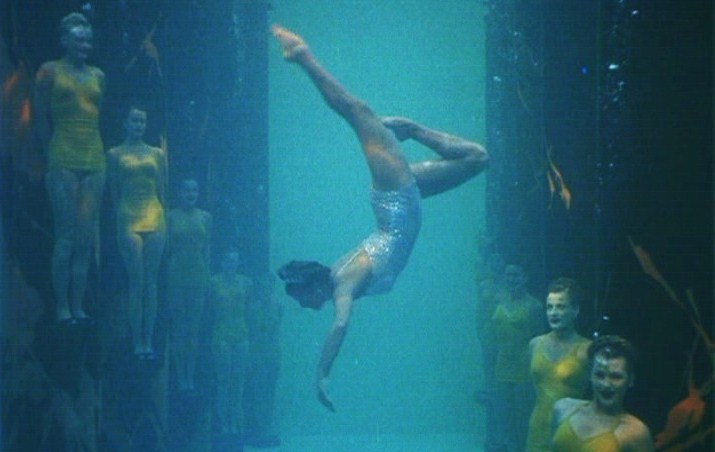
A swimming scene from "This Time for Keeps"

A swimming scene from “This Time for Keeps”

As I gorged on her candy-colored, aqua musical extravaganzas, I couldn’t wait until I could see another film. Each of her musicals brings back memories of spending weekends endlessly watching her movies.

When I was 15 I read her autobiography, “The Million Dollar Mermaid.” It’s my favorite film autobiography that I’ve read so far.

When I was 17, I bought one of her Esther Williams bathing suits.

Williams inspired me to practice swimming strokes and try to learn how to swim (I failed swimming lessons when I was five years old. How embarrassing).

I remember in 2004 when she was highlighted during TCM’s August Summer under the Stars series. I wasn’t looking forward to going back to school in August but my excitement of Esther Williams’ day out-weighed my dread.

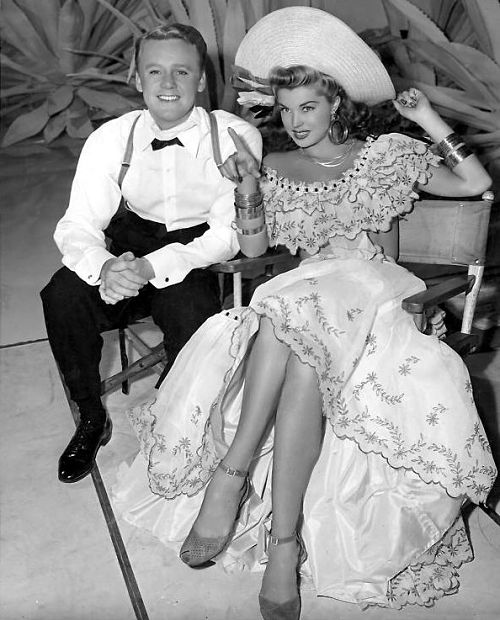
Esther Williams and frequent co-star Van Johnson in "Easy to Wed"

Esther Williams and frequent co-star Van Johnson in “Easy to Wed” dressed for the number “Bonecu de Pixe.” Carmen Miranda helped them with the Portuguese lyrics.

But it’s not just how she affected my every day actions, but my film knowledge that makes her important to me.

To date, I have seen all but two of Esther Williams’ films: “A Raw Wind in Eden” and “The Big Show.”

Esther Williams’s films are a textbook example of the mid-1940s to early 1950s MGM musicals: brightly colored, beautiful clothing and lavish musical numbers that may include Williams swimming, Xavier Cugat and his band shaking maracas or opera singer Lauritz Melchior belting a tune.

Her films also introduced me to my biggest film crush- Van Johnson.

Something I have always found appealing about Williams is that she is very attainable.

Her beauty is natural and girl-next-door like and her figure is athletic, rather than actress anorexic. In her 1996 Private Screenings Interview with Robert Osborne, she said becoming a star was all an accident.

Continue reading

Classics in the Carolinas: Stanley Donen

Comet Over Hollywood is doing a mini-series of “Classics in the Carolinas.” I’ll be spotlighting classic movie related topics in South Carolina (my home state) and North Carolina (where I currently live and work).

Updated Feb. 23, 2019.

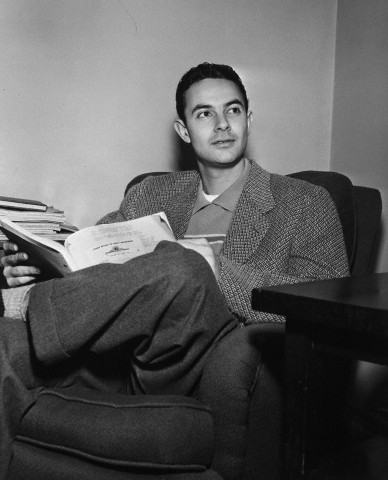
Stanley Donen in 1950

Stanley Donen in 1950

He directed and choreographed some of the most famous musicals of the 1940s and 1950s, including “Singin’ in the Rain.”

And he’s from my birthplace

Stanley Donen was born in 1924 in Columbia, S.C.-the capital of South Carolina.

He left the south for New York when he was a teenager.

Donen described his childhood as an unhappy one in a 1983 book by Joseph Andrew Casper.

His parents were of the Jewish faith. Though Donen did not identify with the religion, he was taunted by anti-Semitic classmates in the late 1920s and early 1930s.

Due to the bullying he endured in his youth, Donen did not recall the city fondly in interviews.

“It was sleepy, it was awful, I hated growing up there, and I couldn’t wait to get out,” Donen said in the book Stephen M. Silverman, Dancing on the Ceiling: Stanley Donen and His Movies.

In his 2006 Turner Classic Movies Private Screenings interview with Robert Osborne, Donen described Columbia as a “small town.” At the time, Columbia was probably a small, but now, is the largest city in South Carolina.

“My family and I were Southerners,” Donen said in Silverman’s book. “Really, really Southern, and really, really American. My mother was born in Columbia, SC. My father was born in Augusta, GA, which is just over the border. His father died in Beaufort, SC, and my mother’s mother and father–that is, my maternal grandparents–are buried in the same town where they were born, Columbia, SC.”

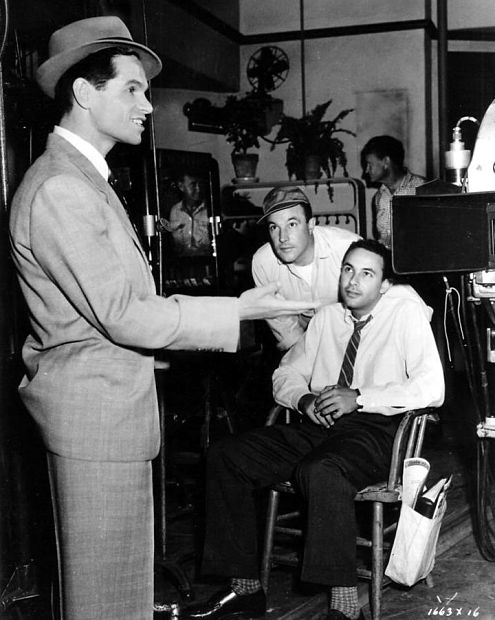
Donen and Gene Kelly watch Michael Kidd sing in "It's Always Fair Weather"

Donen and Gene Kelly watch Michael Kidd sing in “It’s Always Fair Weather”

Donen would have been named after his grandfather, Issac, but his mother felt Issac would make for a bad life in the south, so he was named Stanley instead, according to the book.

“Columbia was a town with a wonderful group of Jewish people. It’s just that there weren’t too many of them,” said a childhood neighbor, Betty Walker in Silverman’s book. “They were really outnumbered.”

After school to escape from his unhappiness, Donen went to the movies.

“I saw Fred Astaire in ‘Flying Down to Rio’ when I was nine years old, and it changed my life,” he said in the Casper biography. “It just seemed wonderful, and my life wasn’t wonderful. The joy of dancing to music! And Fred was so amazing, and Ginger— oh, God! Ginger!”

After watching Astaire and Rogers, he started taking dance lessons in Columbia and performed at the Town Theater.

His mother encouraged him to move to New York and in 1940, at the age of 16, he found himself as a chorus boy in “Pal Joey” with Gene Kelly as the lead. Kelly asked him to be the assistant choreographer and the show’s stage manager.

In 1943, Donen went to Hollywood and helped choreograph the film “Best Foot Forward” starring Lucille Ball. Donen was the stage manager for the play on Broadway, which starred Rosemary Lane. When the film rights were bought by MGM for the play, Donen went to Hollywood along with some of the play cast which included June Allyson and Nancy Walker, according to Allyson’s autobiography.

Donen’s Hollywood choreography career continued with movies like “Cover Girl” and “Living in a Big Way.”

The first film he directed in Hollywood was “On the Town” (1948). He continued on directing some of the most famous Hollywood films including “Singin’ In the Rain” (1952), “Seven Brides For Seven Brothers” (1954) and “Charade” (1963). Stars he directed include Cary Grant, Audrey Hepburn, Gene Kelly, Fred Astaire and Sophia Loren.

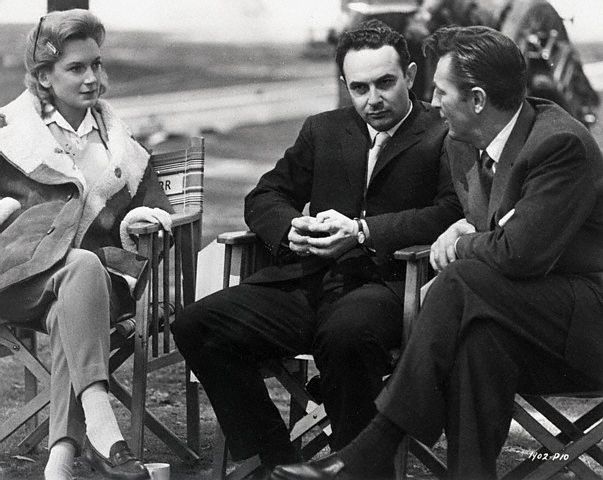
Deborah Kerr, Stanley Donen,  and Robert Mitchum

With Deborah Kerr and Robert Mitchum for “The Grass is Greener”

Though Donen’s life in Columbia wasn’t a happy one, he influenced one woman with her dance career. Naomi Calvert, who co-owned the Columbia dance institution Calvert-Brodie dance studio, studied under Donen as well as Tim McCoy, who helped Vera-Ellen.

She co-owned a reputable dance studio in Columbia called Calvert-Brodie, along with Ann Brodie, for over 30 years. Calvert passed away in 2016.

My oldest sister attended Calvert-Brodie and looking back on home videos of dance recitals, the recitals were like a mini “revue” or “follies.”

These weren’t children bouncing their hip and shaking their finger at the audience. These were themed dance recitals, such as a patriotic theme and a circus theme. They would begin with an opening number. The circus show was complete with a person on a trapeze, and the patriotic show had little girls tap dancing with drums. My oldest sister, Erin, had a tap solo.

Clearly, Mr. Donen influenced her craft.

Though my father grew up in Columbia as an Army brat and we lived there as a family for six years, it isn’t the Pickens family’s favorite place either.

Though it’s the capital of the state, many people call Columbia “the arm-pit of the South.”

While Donen didn’t remember his hometown fondly, I’m also disheartened to see that he often isn’t remembered by his birthplace either. For his 90th birthday in 2014, a non-profit movie theater held a film retrospective, and in 2017 he was inducted into the South Carolina Hall of Fame. Otherwise, any recognition is few and far between, even by The State newspaper on the day of his death.

The town that mistreated him in his youth has also unfortunately forgotten one of the most vibrant film directors of film history.


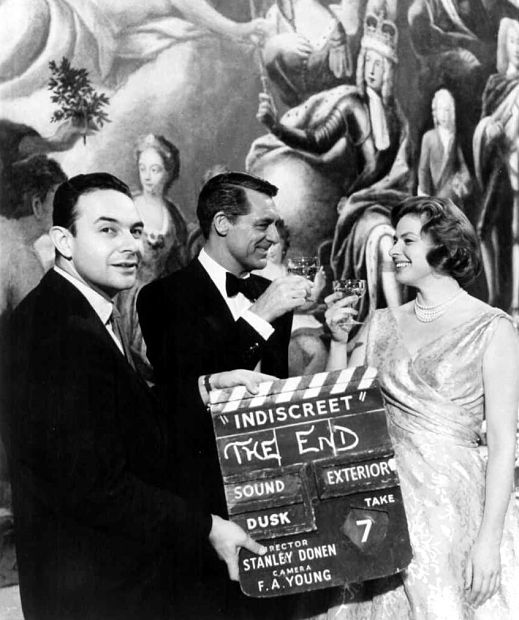
The end. On the set of "Indiscreet" with Ingrid Bergman and Cary Grant

The end. On the set of “Indiscreet” with Ingrid Bergman and Cary Grant

Check out the Comet Over Hollywood Facebook page for the latest updates.

From Hollywood to Raleigh: the biggest collection of Gone with the Wind memorabilia

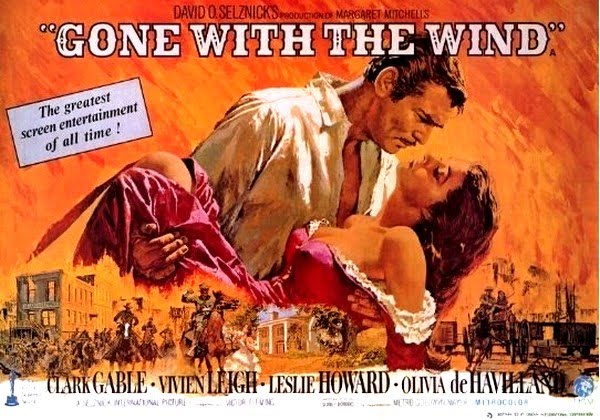
gone with the wind

It started when James Tumblin, saw a dress from “Gone with the Wind” lying on the floor at Universal Studios in 1962.

It was the dress Scarlett O’Hara wore while riding through the shanty town in the 1939 film.

comet10

Found on the floor about to be thrown away, this was the first item in Tumblin’s Gone with the Wind collection-Scarlett’s dress she wore in the shanty town scene

“My mother always taught me to be respectful of belongings. Even if I’m walking through K-Mart I pick up clothing that’s on the floor,” said the former Universal Studios hair and make-up department head. “I picked up the dress and realized it was a dress from ‘Gone with the Wind.’”

Tumblin asked why the dress was on the floor and was told the dress was going to be thrown away.

“I asked if I could buy it and was told $20 for the dress and a whole other rack of clothes,” he said. “I casually accepted. I knew if I was too excited they would go up on the price. The rack of clothes didn’t include other Gone with the Wind costumes but had costumes that Judy Garland wore in ‘Easter Parade.’”

After that, Tumblin began getting phone calls from people who had items from “Gone with the Wind.”

Now, Tumblin owns the largest “Gone with the Wind” collection in the world. He owns at least 300,000 pieces of film memorabilia. Part of his collection has been displayed in the North Carolina Museum of History in Raleigh in the Real to Reel: The Making of Gone with the Wind exhibit. The exhibit started in Aug. 2012 and was originally supposed to end in January. It has been so successful, it was extended until April 14.

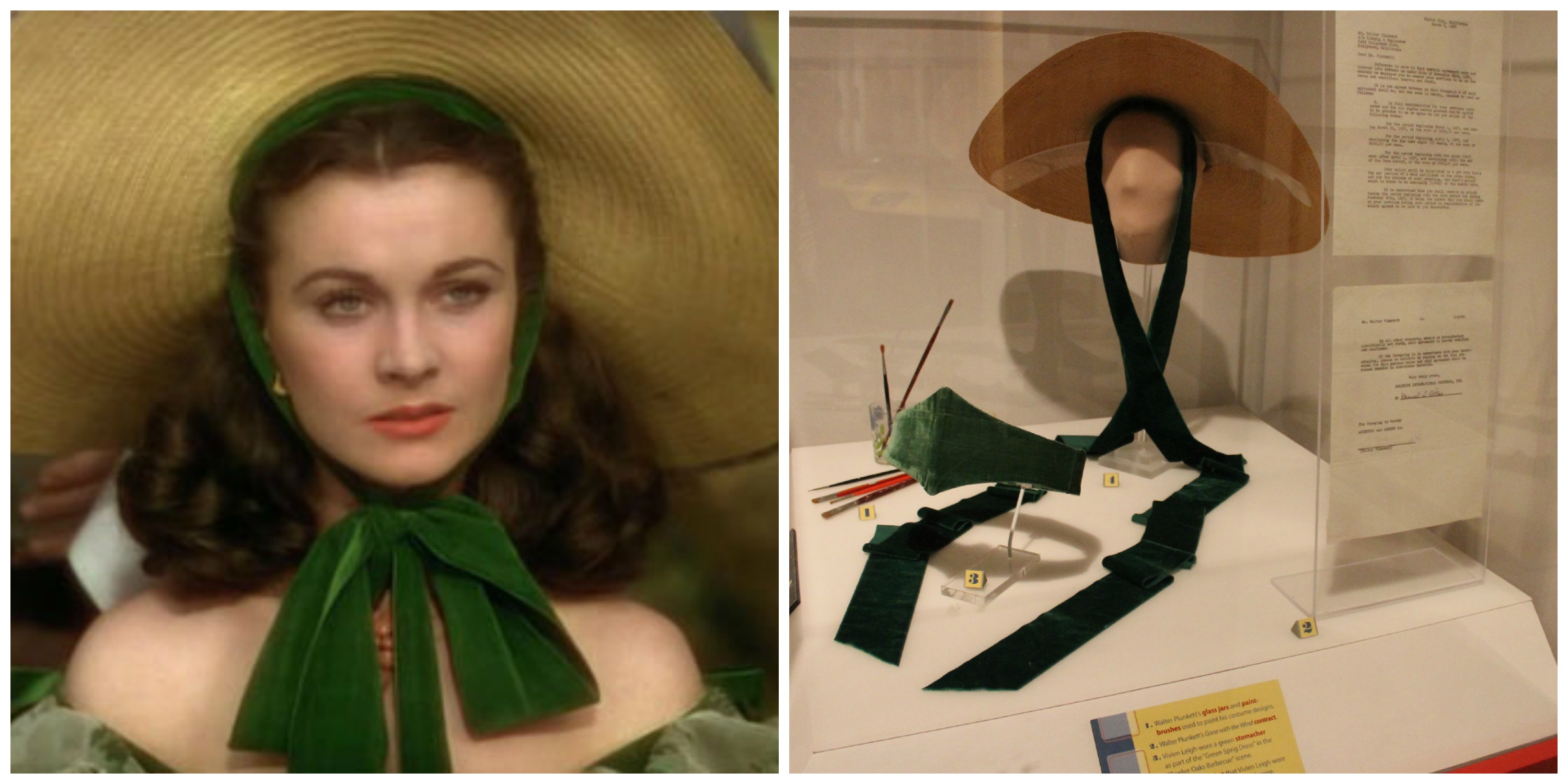
The hast worn by Vivien Leigh in the barbecue scene in Gone with the Wind

The hat worn by Vivien Leigh in the barbecue scene in Gone with the Wind

Tumblin’s collection is stored at his home in Oregon. The latest item he bought was a coat worn by a Munchkin in “The Wizard of Oz” (1939).

I traveled from Shelby, N.C. with my parents to see the exhibit on Saturday, April 6.

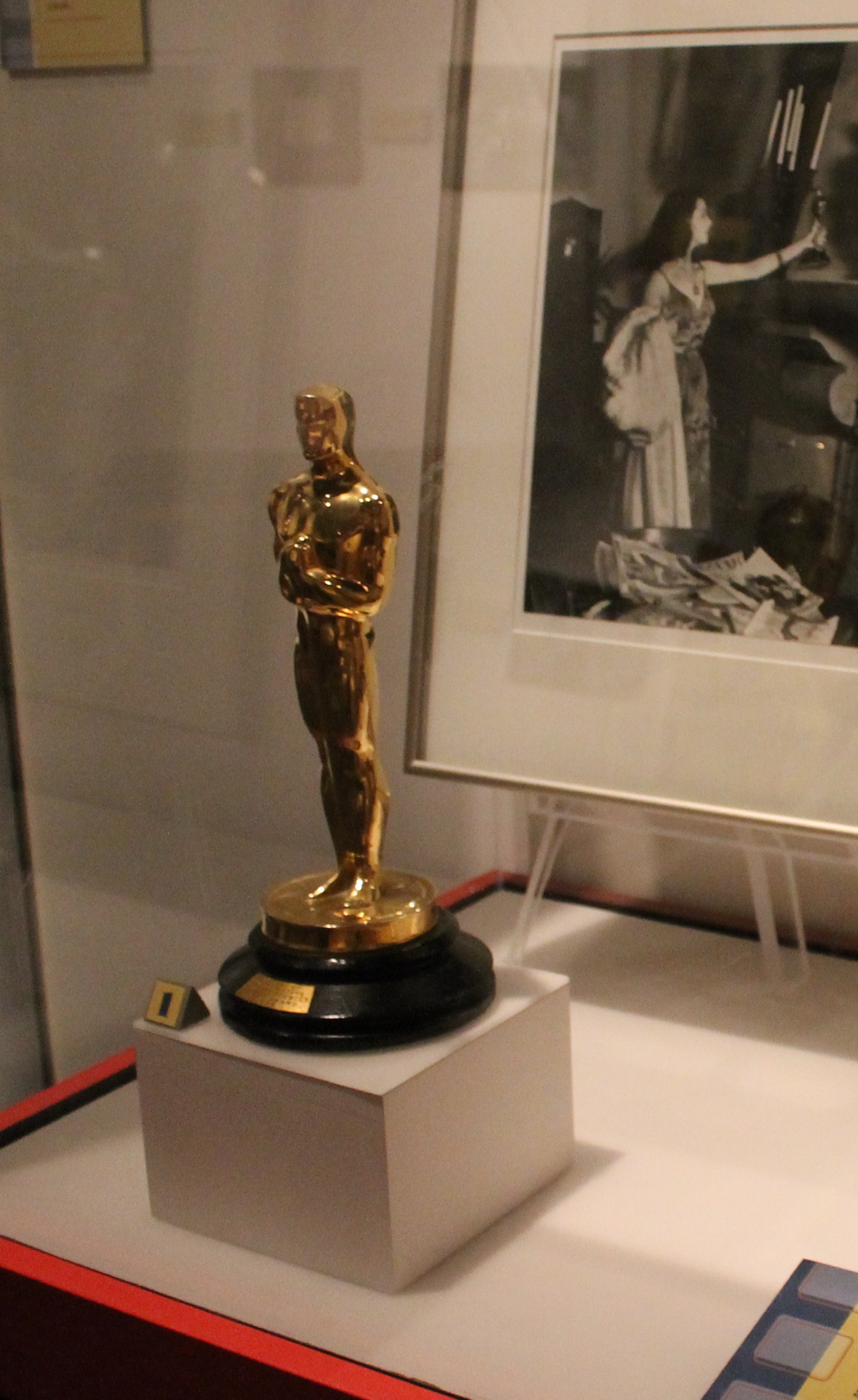
Vivien Leigh's Academy Award for Best Actress for Gone with the Wind

Vivien Leigh’s Academy Award for Best Actress for Gone with the Wind

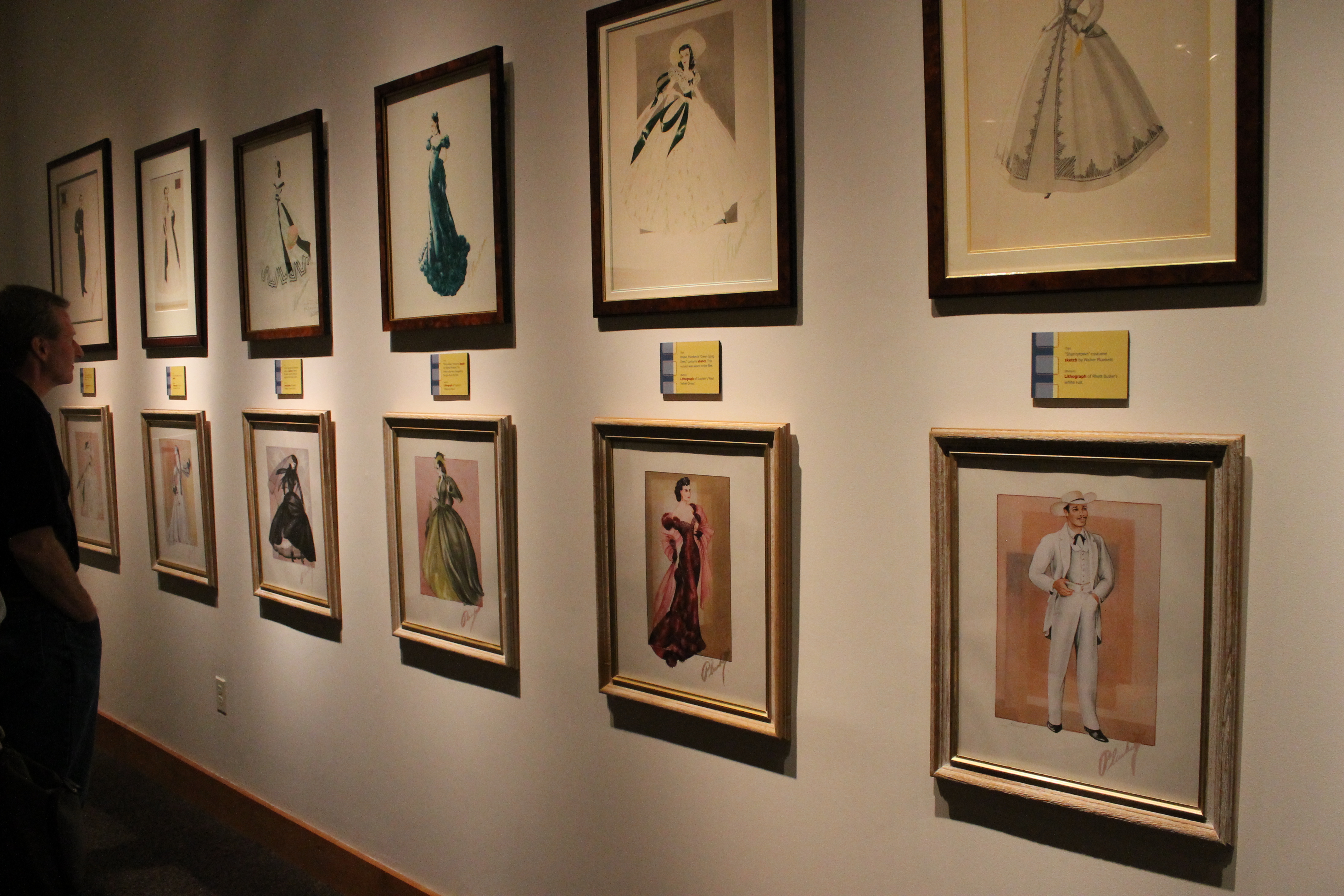
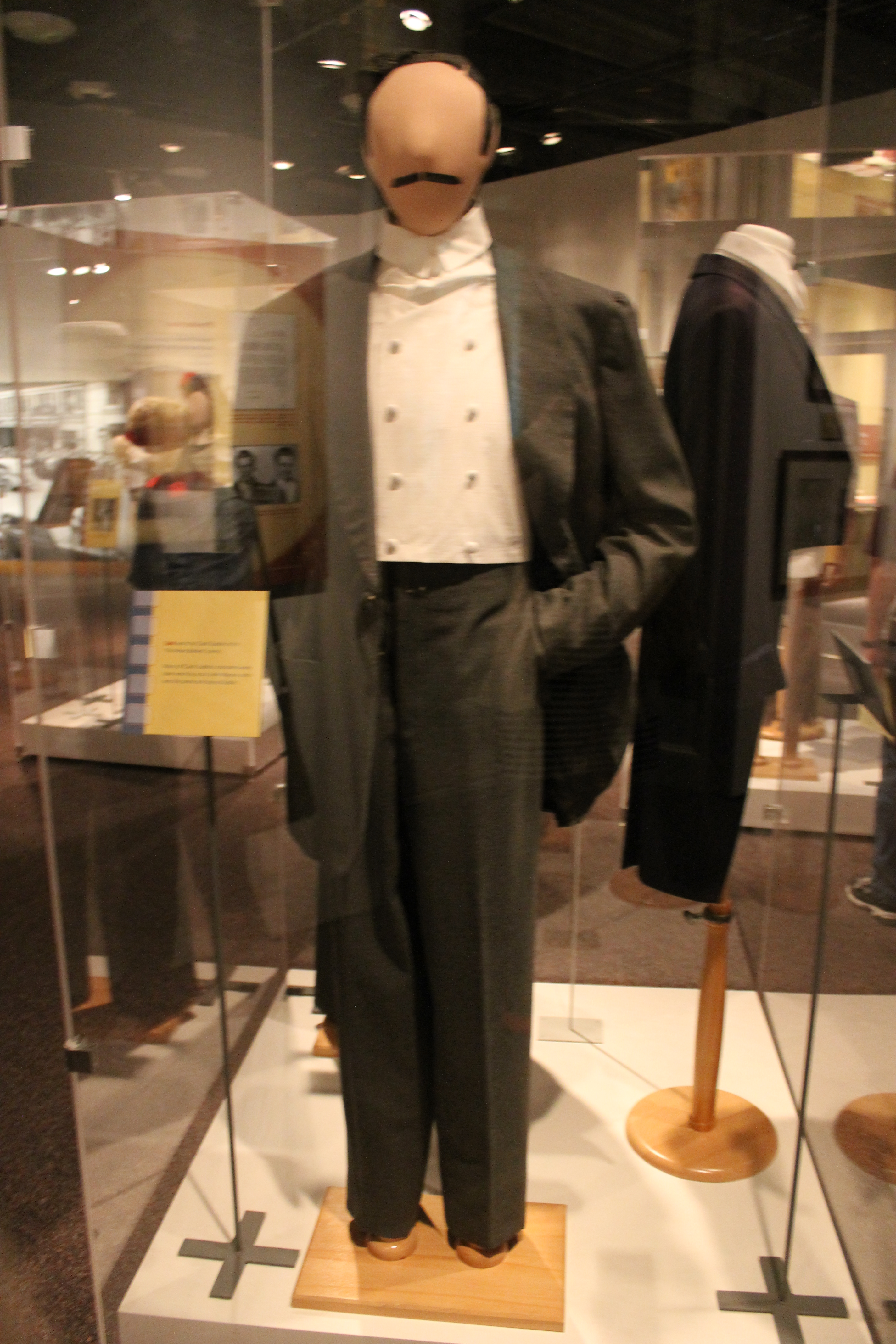
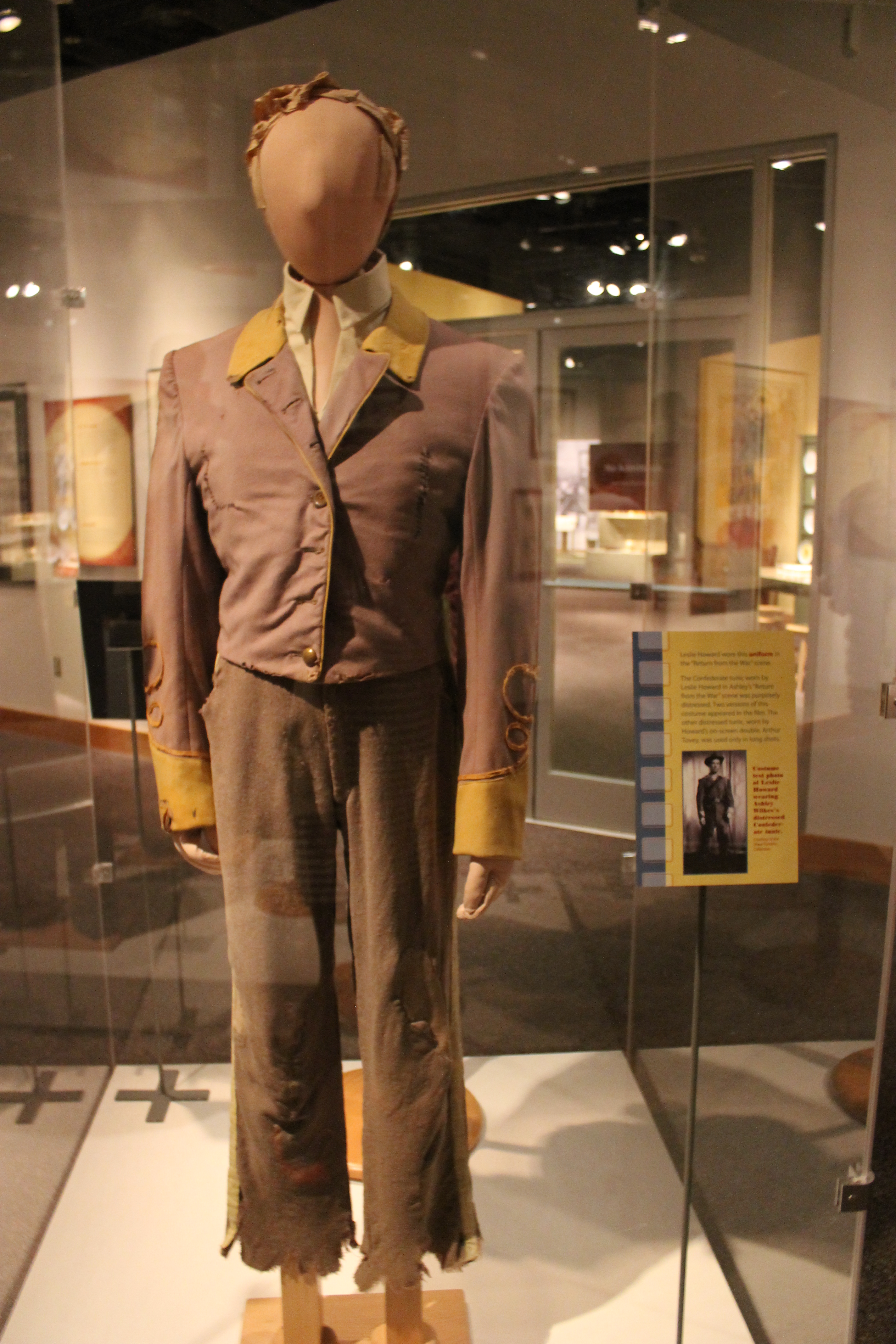
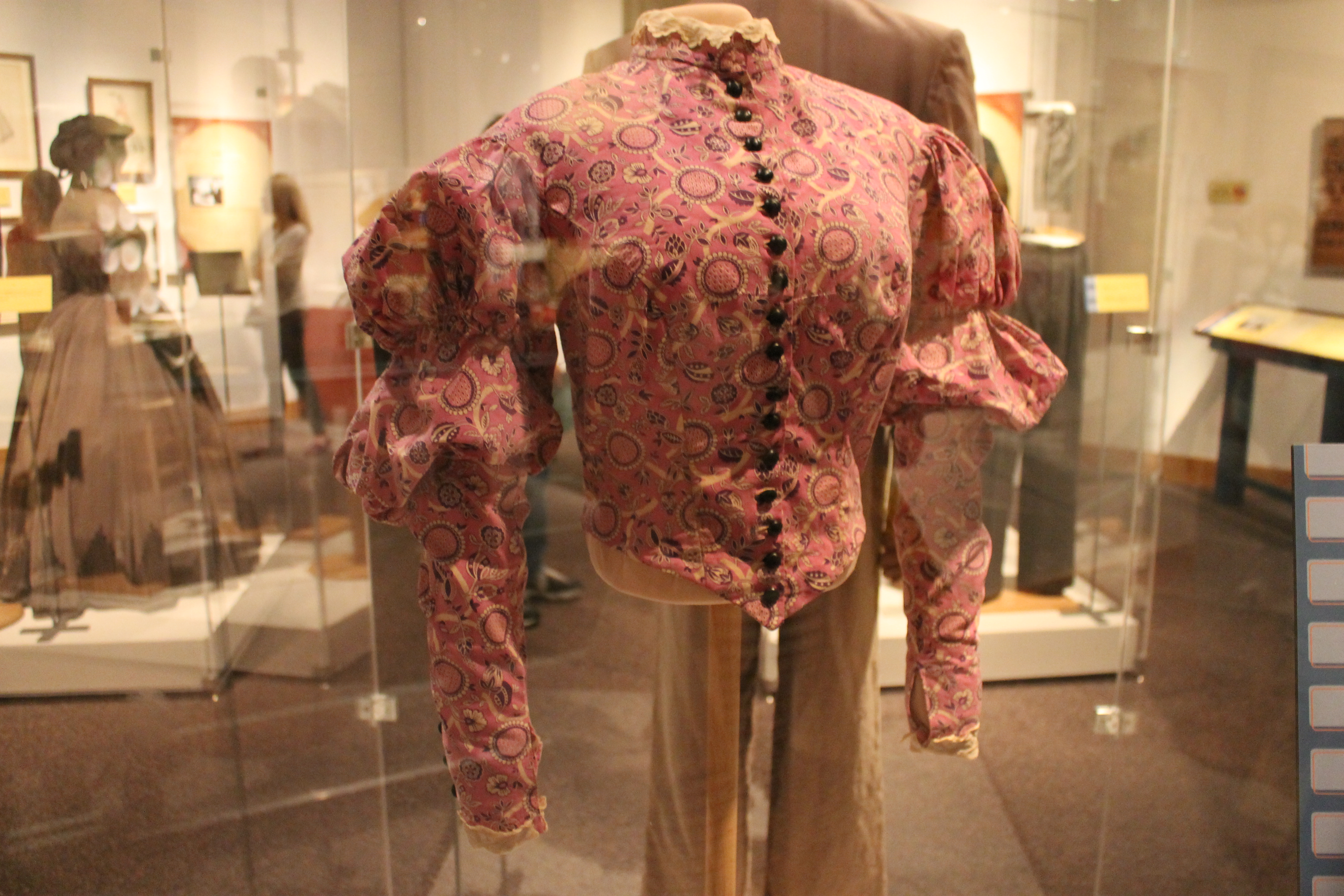
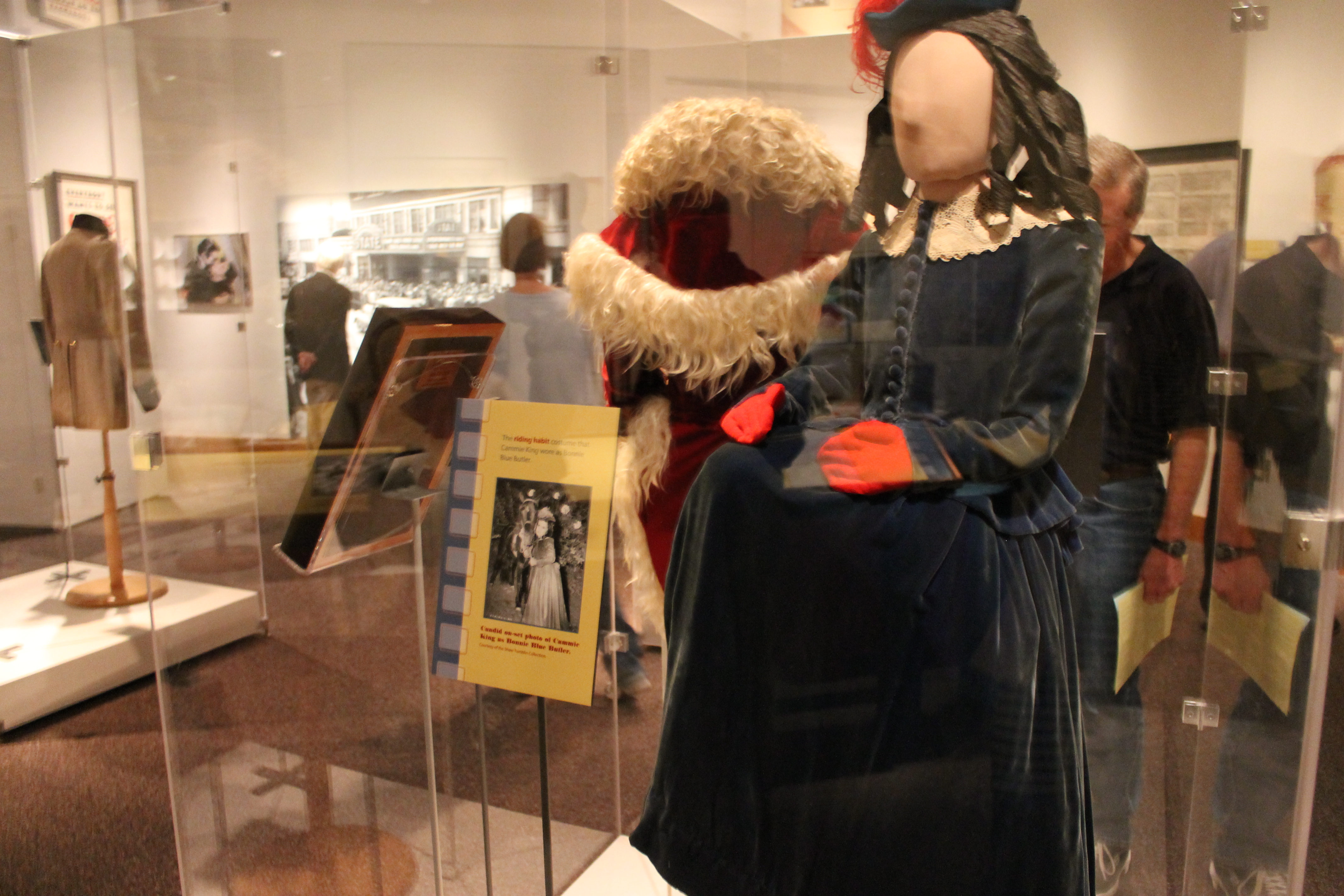
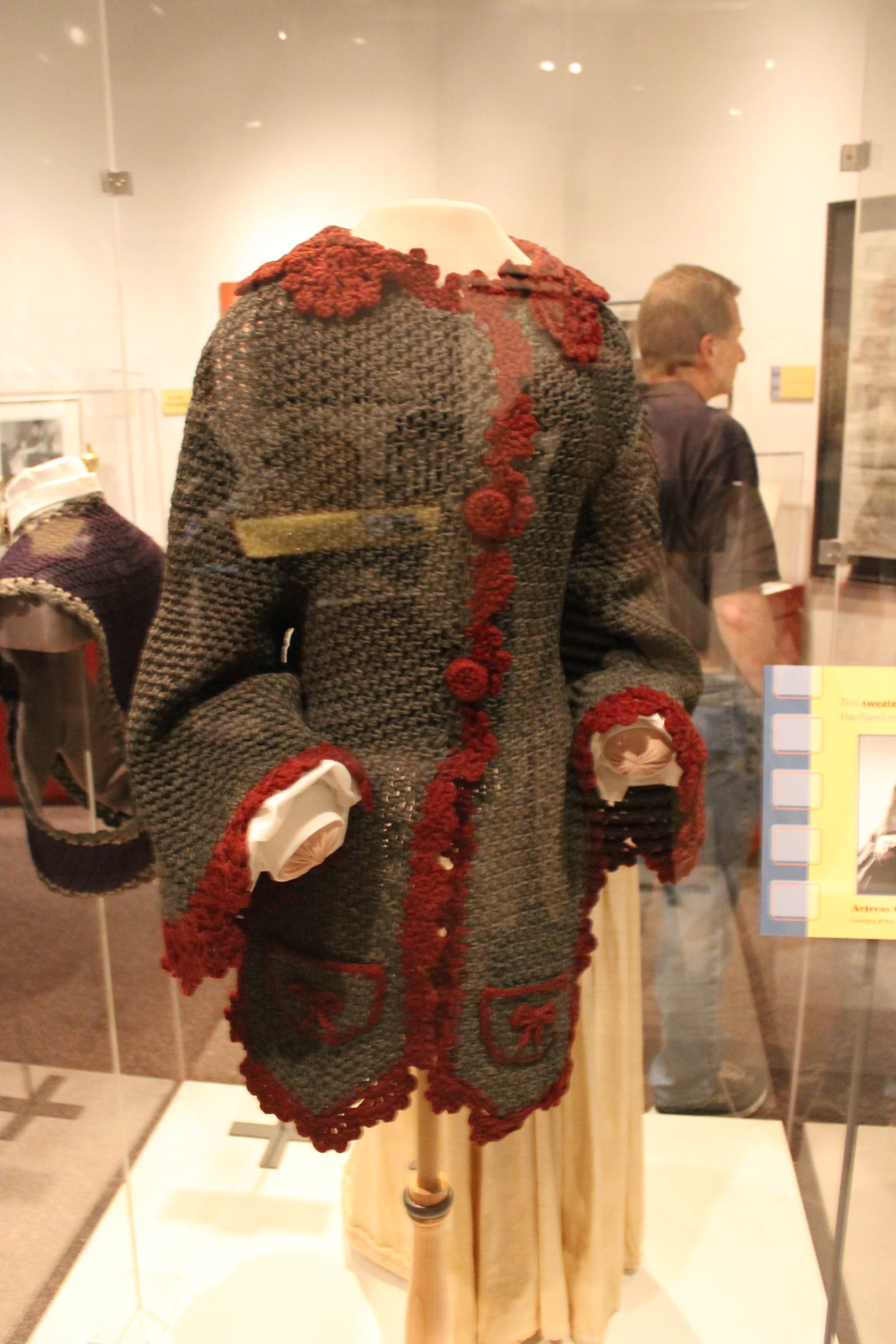
The exhibit included costumes worn by Viven Leigh as Scarlett O’Hara, Clark Gable as Rhett Butler, Olivia de Havilland as Melanie Wilkes, Leslie Howard as Ashley Wilkes, Ona Munson as Belle Watling and Cammie King as Bonnie Blue Butler.

It also had the script used by Hattie McDaniel who played Mammy, furniture used in the film and Vivien Leigh’s Academy Award for Best Actress as Scarlett O’Hara.

While walking in, one of the museum workers told us Tumblin, the owner of the exhibit, was inside.

I kicked myself for not bringing along a reporter’s notebook and scrambled to find paper in the museum so I could interview Tumblin. I settled for the back of several museum volunteer fliers.

Tumblin was sitting on a bench with his 27-year-old son Josh when I introduced myself as a reporter for the Shelby Star. The two scooted down and let me sit with them for about a 45 minute interview.

comet9

Owner of the collection, James Tumblin greeting visitors and answering questions at the North Carolina Museum of History in Raleigh

“Are you going to click your heels three times and go back to Kansas?” he joked, glancing down at my bright orange flats.

Born in Denver, Colorado, Tumblin began working at Universal Studios in the late-1950s and retired in 1982.

“I wanted to make a lot of money and buy my mother a house,” he said. “I guess I was too naïve to realize rejection. But I kept going back and wore them down, and they finally gave me a job sweeping hair in the costume department.”

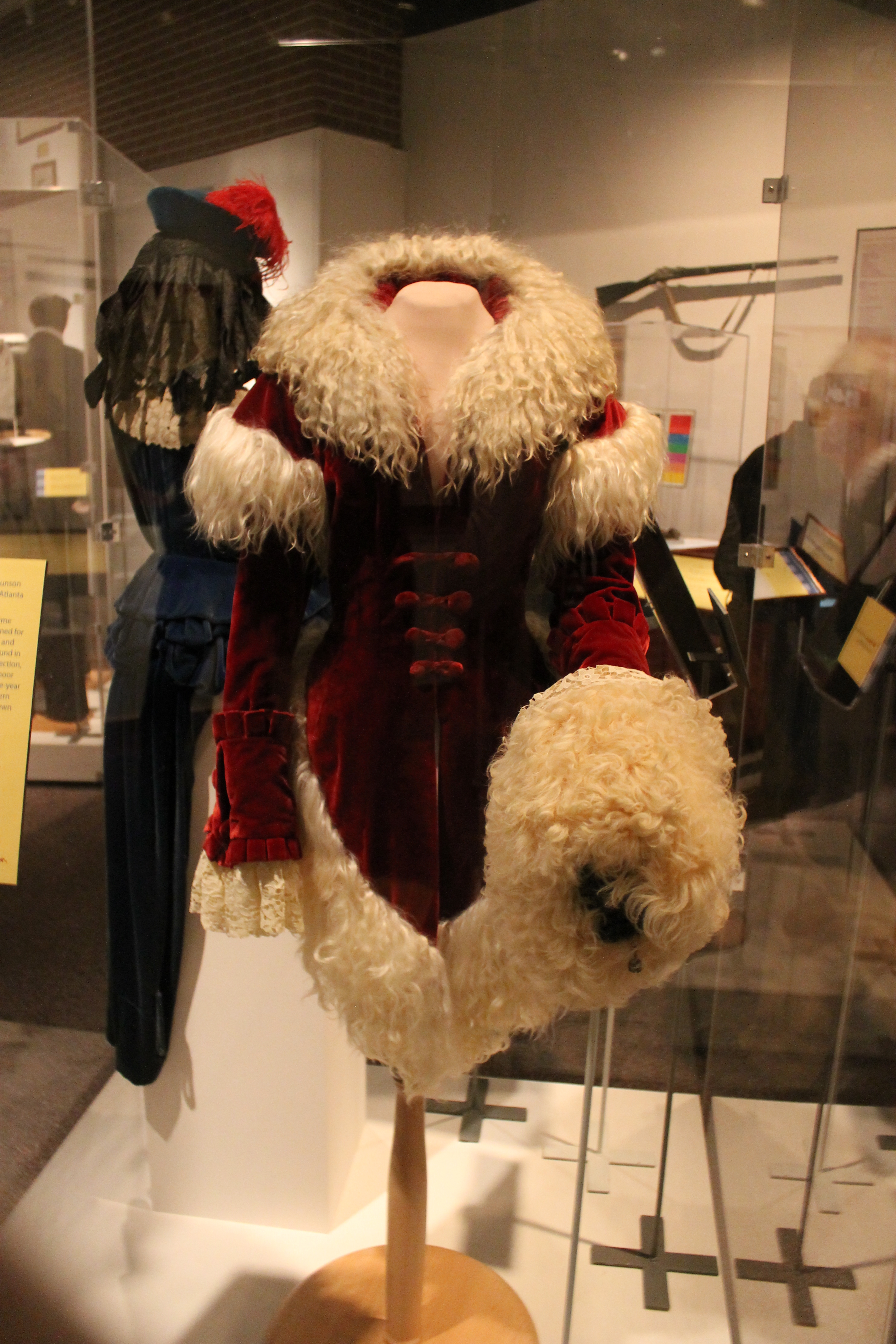
A muff and coat worn by Ona Munson as Belle Watling. This was costume designer Walter Plunket's favorite muff and coat. It took three years to restore it when it was found.

A muff and coat worn by Ona Munson as Belle Watling. This was costume designer Walter Plunket’s favorite muff and coat. It took three years to restore it when it was found.

Every night, he would stay and comb the wigs. One day his boss, Larry Germain, asked him if he had been combing the wigs.

“He told me that Debbie Reynolds liked the way I had combed her wig and said she wanted me to come out to her house and comb her wigs,” Tumblin said. “She paid me $200 to do it. It was the first time I rode in a limousine. They realized I had talent and that’s how it all started.”

He got along with many of the stars and it was a happy time. The only downside was when he found a favorite actor to be unpleasant.

Claudette Colbert, Bette Davis, Marilyn Monroe, Greta Garbo and Mae West are just a few people he worked with.

“Marilyn Monroe was lovely and child-like. Cary Grant was a lovely man. Garbo had already retired, but she would have me up to her apartment in New York to cut her hair,” Tumblin said. “Mae West was a hoot. She would have me up to her beach house and I did 30 wigs for her.”

Katharine Hepburn was another close friend who Tumblin frequently had as a house guest after he retired.

“She loved to drive my truck and always lectured me about my posture,” he said.

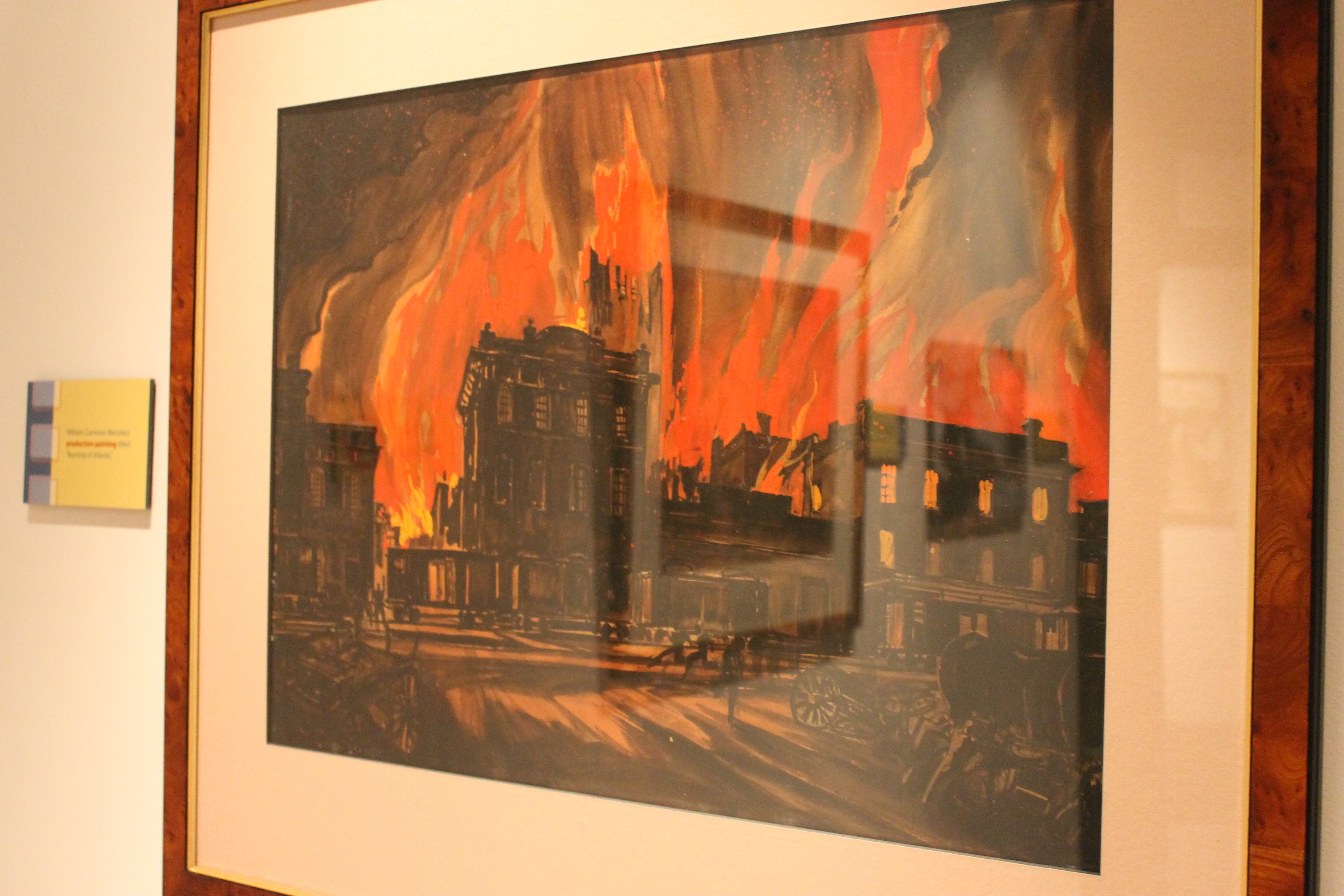
William Cameron Menzies's production painting for the burning of Atlanta scene

William Cameron Menzies’s production painting for the burning of Atlanta scene

Another friend was Doris Day. He had an ongoing joke with Day where he threw her into a swimming pool.

Movies he worked on include “Lawrence of Arabia” (1962), “Psycho” (1960), “The Birds” (1963), “The Sound of Music” (1964), “Thoroughly Modern Millie” (1967), “Star Wars” and “The Terminator.”

“I worked for a year and a half on Lawrence of Arabia. I hadn’t seen it for 40 years when I saw it again at a film festival,” he said. “I started crying and my son asked me what was wrong. I worked on this film for a year and a half of my life and so many of these people are gone now.”

The dissolve of the studio system didn’t affect the costume department, but Tumblin didn’t like the situation.

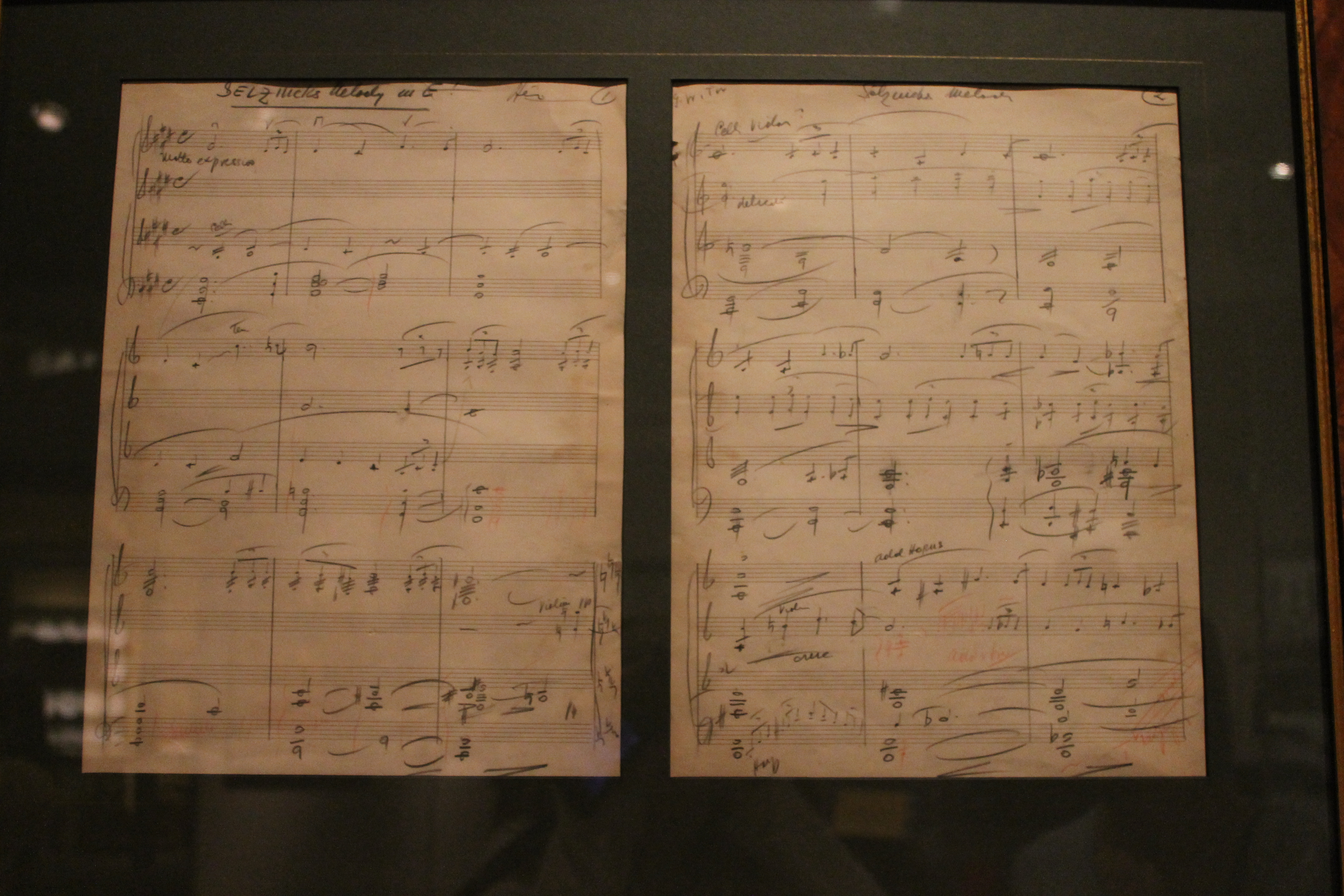
The original score by Max Steiner for Gone with the Wind

The original score by Max Steiner for Gone with the Wind

“It was sad to see all of these people go. I used to see Fred Astaire coming in his convertible. Doris Day and Rock Hudson had dressing rooms next to each other,” he said. “Universal was the first studio to lease out a sound studio to television with shows like ‘Leave It To Beaver.’ Universal survived while other studios died when they turned their noses up to television.”

I even found that Tumblin and I share the same favorite classic film: “Since You Went Away” (1944).

“It was a job,” he said. “What’s nice to know is that I did it well enough that people still want to see my work in films.”

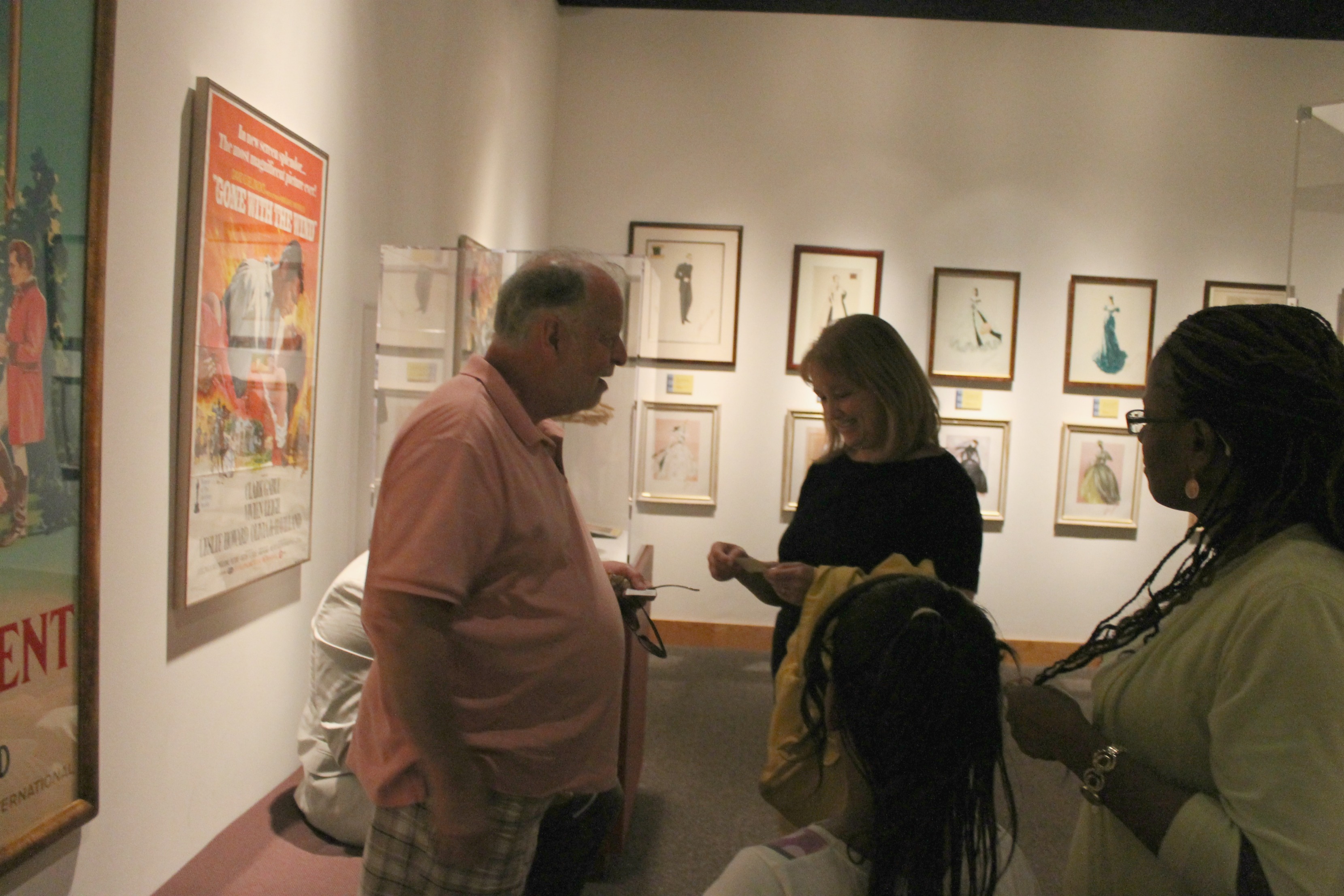
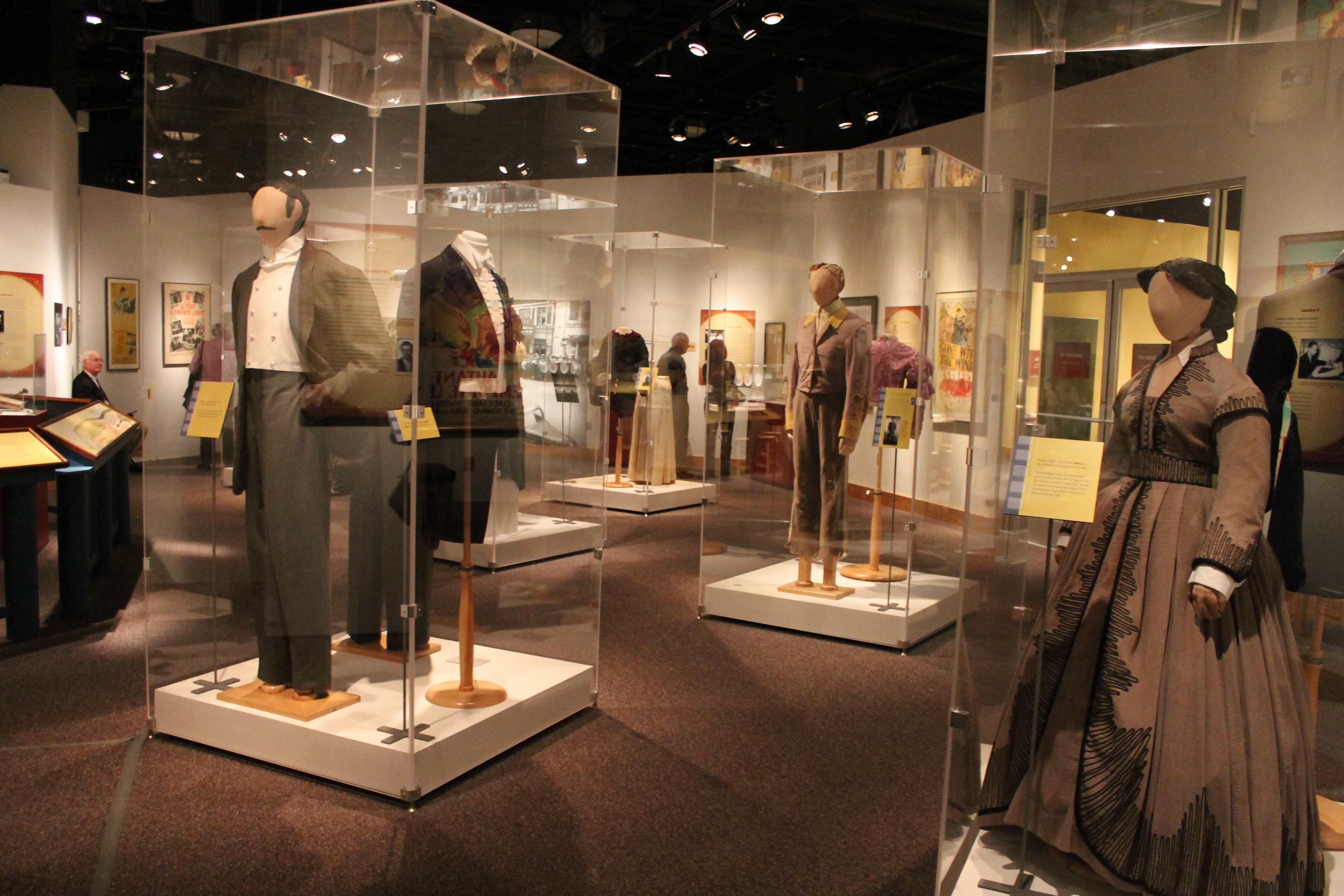
Room of costumes from Gone with the Wind at the NC Museum of History

Room of costumes from Gone with the Wind at the NC Museum of History

Costume designs for Gone with the Wind by Walter Plunkett

Costume designs for Gone with the Wind by Walter Plunkett

A suit worn by Clark Gable as Rhett Butler. It was later worn by John Wayne, who at one point was the same size as Gable.

A suit worn by Clark Gable as Rhett Butler. It was later worn by John Wayne, who at one point was the same size as Gable.

Tattered Civil War uniform worn by Leslie Howard as Ashley Wilkes

Tattered Civil War uniform worn by Leslie Howard as Ashley Wilkes

Worn by Vivien Leigh in the hospital scene in Gone with the Wind

Worn by Vivien Leigh in the hospital scene in Gone with the Wind

Worn by Cammie King as Bonnie Blue Butler during the horse riding incident

Worn by Cammie King as Bonnie Blue Butler during the horse riding incident

Worn by Olivia Deviland as Melanie Wilkes during the train station scene

Worn by Olivia Deviland as Melanie Wilkes during the train station scene

Check out the Comet Over Hollywood Facebook page for the latest updates.

Classics in the Carolinas: Arthur Freed

Comet Over Hollywood is doing a mini-series of “Classics in the Carolinas.” I’ll be spotlighting classic movie related topics in South Carolina (my home state) and North Carolina (where I currently live and work).

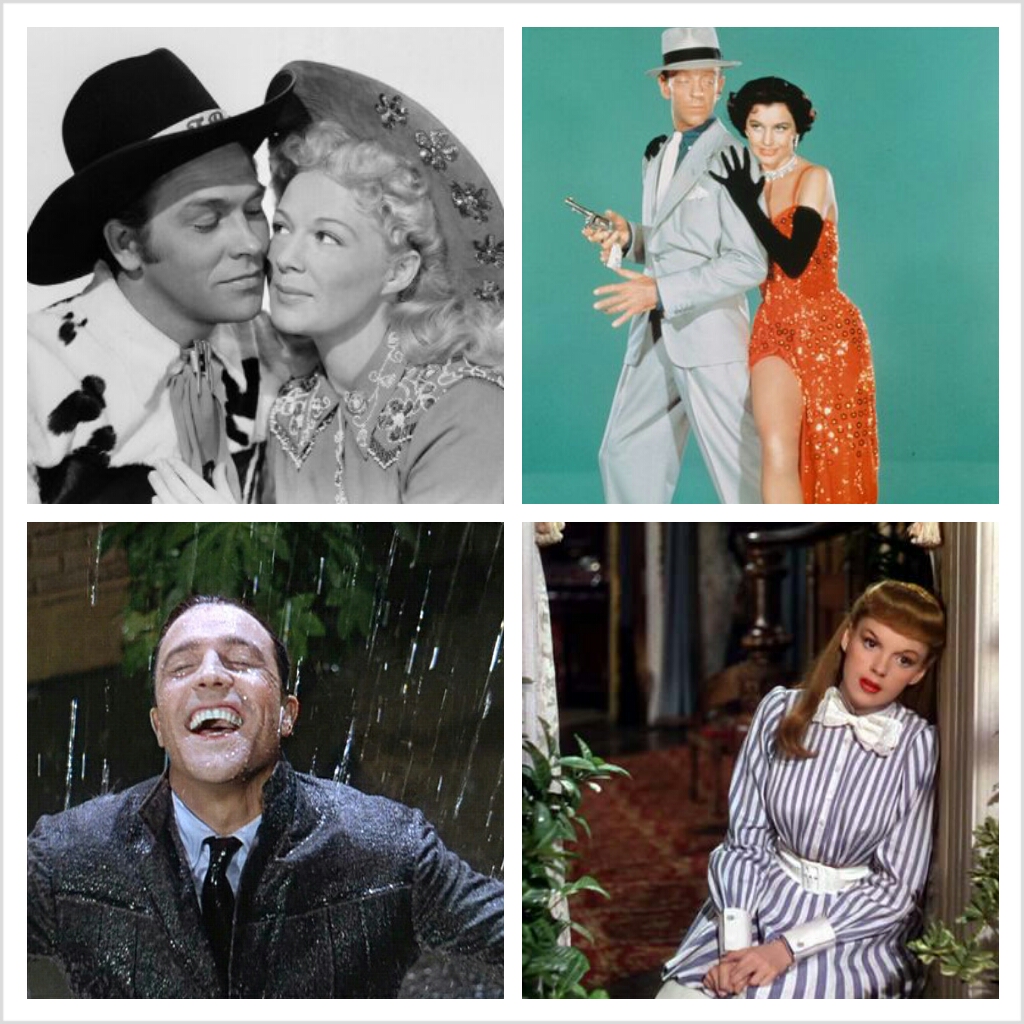
Annie Get Your Gun, Bandwagon, Singin' in the Rain and Meet Me in St. Louis are just a few MGM musicals Arthur Freed produced.

Annie Get Your Gun, Bandwagon, Singin’ in the Rain and Meet Me in St. Louis are just a few MGM musicals Arthur Freed produced.

Singin in the Rain” (1952), “Show Boat” (1950) and “Meet Me in St Louis” (1944)

These are just a few of the well-known, Technicolor MGM musicals that producer Arthur Freed produced.

But before working with some of Hollywood’s most talented stars, Freed was born down south.

Freed, real name Arthur Grossman, was born in 1894 in Charleston, S.C.

His parents, sister and brothers were a musical family. Freed’s father, Max, emigrated from Budapest in the 1880s.

Max Freed sold zithers and encouraged his children’s musical talents. Arthur’s brother Walter became an organist, Sydney and Clarence had recording businesses in Hollywood, Ralph was a songwriter and Ruth also wrote several songs, according to M-G-M’s Greatest Musicals: The Arthur Freed Unit by Hugh Fordin.

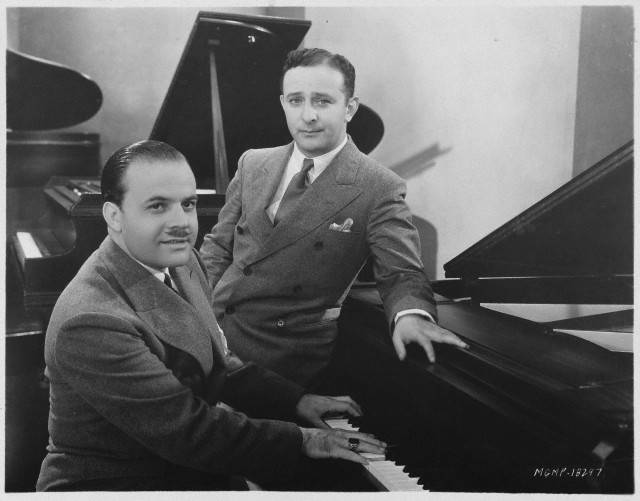
Nacio Herb Brown (left) and Arthur Freed (right) in 1929. The two wrote several songs together.

Nacio Herb Brown (left) and Arthur Freed (right) in 1929. The two wrote several songs together.

Though Freed was born in Charleston, he was raised in Seattle, Washington, educated in New Hampshire and started his music career as a song plugger in Chicago.

In Chicago, Minnie Marx, mother of the Marx Brothers, discovered Freed who sang and wrote material for the brothers in vaudeville shows, according to Billboard Aug. 1950.

In 1928, Freed got a job at MGM studios where he wrote songs with Nacio Herb Brown such as “Broadway Melody,” “Singin’ in the Rain,” “You are My Lucky Star” and “Temptation.”

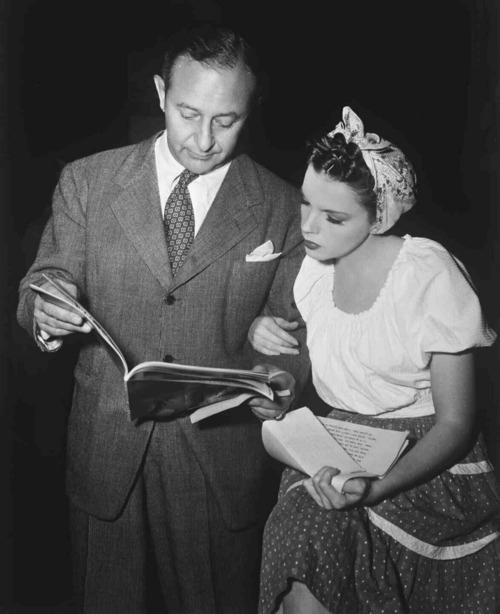
Freed began producing films in the late 1930s and became interested in helping promote Judy Garland’s career.

Judy Garland and Arthur Freed

Judy Garland and Arthur Freed

From 1939 to 1960, Arthur Freed produced 44 films. It’s safe to say I have seen every Freed production.

After working with  some of MGM’s top talents and winning an Academy Award for Best Picture for “Gigi,” Freed left the studio in 1961.

Freed died at the age of 78 in 1973 and was buried in Culver City, California.

Although Freed did not spend much of his life in Charleston, I felt it important that one of Hollywood’s most prolific producers was born in my birth state of South Carolina.

Check out the Comet Over Hollywood Facebook page 

Classics in the Carolinas: Remembering Andy Griffith

This post is a mix of remembering stars who died during 2012 and an addition to the Comet Over Hollywood mini-series, “Classics in the Carolinas”-which highlights classics movie related topics in North Carolina and South Carolina. 

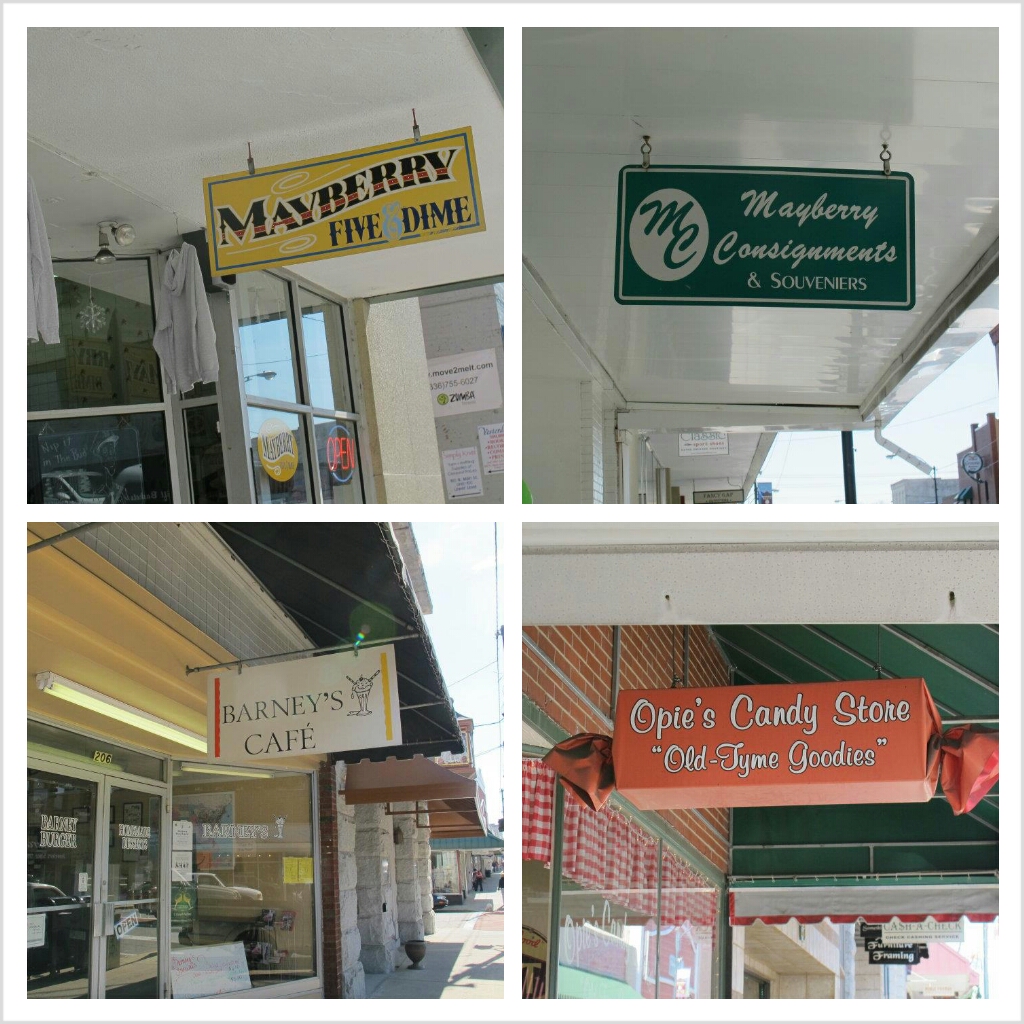
 Opie’s Candy Store, Mayberry Embroidery, Floyd’s City Barber Shop, Barney’s Restaurant.

These are stores you would see as you walked in downtown Mount Airy, North Carolina while the “Andy Griffith Show” theme song echos from many of the stores.

Andy Griffith related stores in downtown Mount Airy, NC. Comet Over Hollywood photos by Jessica Pickens

Andy Griffith related stores in downtown Mount Airy, NC. Comet Over Hollywood photos by Jessica Pickens

Squad car tours are given around the town and there is even an Andy Griffith Bypass and Andy Griffith Mall. Every September the Mayberry Days festival brings fans from all over the world to the small town to celebrate the show with barbecue, musical performances and golf tournaments.

The quaint Surry County, North Carolina town was home to television icon Andy Griffith and was the model for the fictional television town of Mayberry.

Working in Elkin, NC, I lived 30 minutes away from Mount Airy, and while fans all over the world mourned the death of Griffith on July 3, 2012, I knew his death would be an even bigger deal in Surry County.

Andy Griffith is the main tourism draw in Mount Airy. In September 2011, the Mayberry Days festival brought in 70,000 visitors, I learned while writing an article at the Tribune for the 2011-2012 Surry County Directory.

“Mayberry is the hook for 90 percent of our visitors,” said tourism director, Jennifer Eisenhower. “A lot of people come here for the small town, Mayberry experience.”

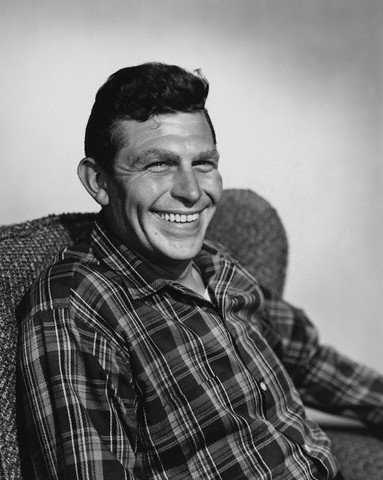
Andy Griffith in the 1960s.

Andy Griffith in the 1960s.

Griffith was born in Mount Airy in 1926 and graduated from Mount Airy High School 1944.

He was popular in high school and took trombone lessons from a local reverend, remembered Mount Airy News lifestyles editor, Eleanor Powell.

After graduation, Griffith attended the University of North Carolina in Chapel Hill- also the alma mater of Kay Kyser– with hopes to become a Moravian minister. However he changed his major to music, according to a UNC article by Patrick Winn.

Griffith was homesick when he first went to UNC but ended up becoming popular, acting in several Playmaker’s performances such as “The Mikado,” and joining Phi Mu Alpha music fraternity.

At Chapel Hill, Griffith met his first wife Barbara Edwards, married from 1949 to 1971.

After graduating in 1949, Griffith taught high school music in Goldsboro, NC.

Griffith worked his way up in the business while performing in plays and comedic radio monologues. He made his breakthrough performance in Hollywood with the 1957 film “A Face in the Crowd” and his television show “Andy Griffith Show” in 1960.

“The Andy Griffith Show” was said to be based on Griffith’s memories of growing up in Mount Airy, which he has both confirmed and denied throughout he years.

The television show mentions nearby “Mount Pilot”-which in reality it Pilot Mountain– and that Mayberry is north of Winston-Salem, which is all true for Mount Airy.

I remember sitting at my computer at the Elkin Tribune and seeing the news pop up about Griffith’s deaths.

All I could think was “Uh oh,” as I called my editor to tell him our front page stories would be different for the next day’s paper.

The Elkin Tribune’s sister paper was the Mount Airy News, where our newspaper was laid out and printed. I remember talking to one of the paginaters and asking how she felt about Griffith’s death and how people in the town were reacting. It seemed a huge thunder storm that came through town was a bigger deal to most of the citizens.

“It’s been pretty quiet. I don’t really care,” she said. “He didn’t treat the town well and even asked for us to pay him when he dedicated the Andy Griffith Bypass a few years ago.”

Regardless of the bitterness of locals, Griffith has brought millions of tourism dollars to the town.

“Tourism has really saved us, Andy is the hook. He is the reason people come to Mount Airy,” Tanya Jones, executive director of the Surry Arts Council, told CNN.

Visitors from Spain, Germany, Peru, India, the United Kingdom, Guatemala and Canada have all traveled to take part in the Mayberry atmosphere.

“Some months we see guests from all 50 states,” Eisenhower said. “A lot of people come here for one reason: to see all the Mayberry attractions, and they continue to come back.”

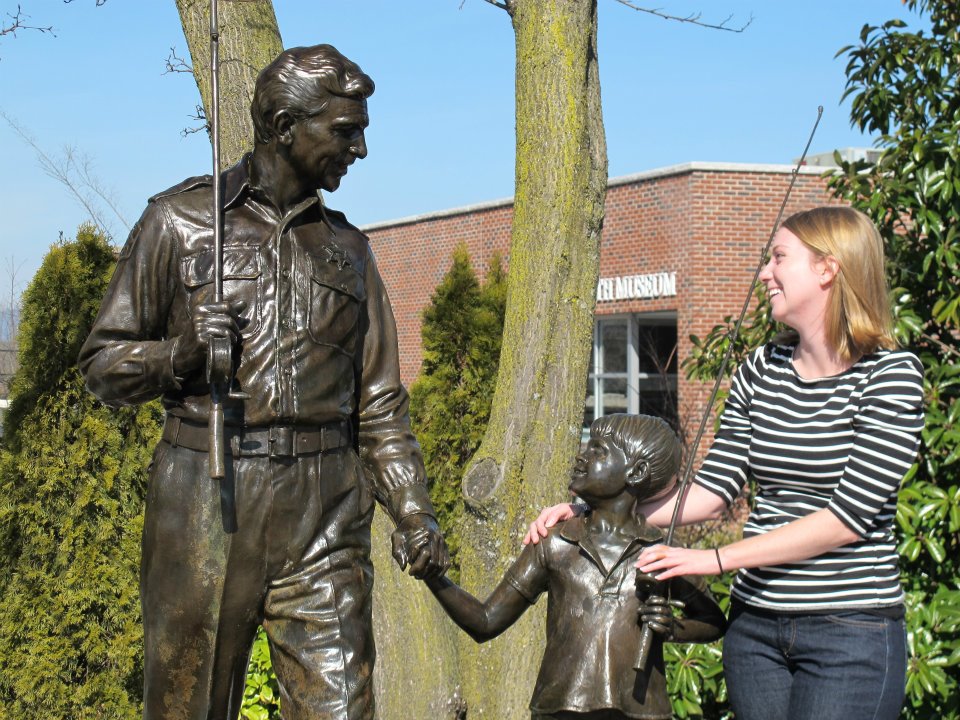
February 2012 during one of my visits to Mount Airy with the Andy Griffith statue.

February 2012 during one of my visits to Mount Airy with the Andy Griffith statue.

Check out the Comet Over Hollywood Facebook page 

Classics in the Carolinas: Kay Kyser

 This fall, Comet Over Hollywood is doing a mini-series of “Classics in the Carolinas.” I’ll be spotlighting classic movie related topics in South Carolina (my home state) and North Carolina (where I currently live and work).

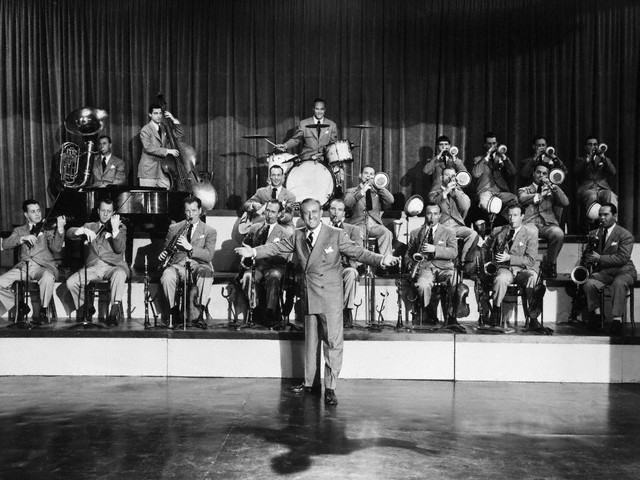
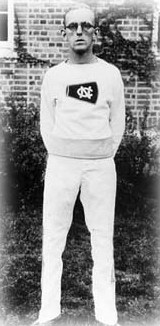
“The Kollege of Musical Knowledge” wasn’t the only colligate education 1940s bandleader Kay Kyser received. He was also a 1928 graduate of the University of North Carolina (UNC) in Chapel Hill.

Kay Kyser and his band in 1944

Born in Rocky Mount, N.C. in 1905, Kyser’s mother, Emily Royster Kyser, was the first registered female pharmacist in North Carolina.

Kyser entered UNC in 1923 set on receiving a Bachelor’s degree in law, according to the website “A Tribute to Kay Kyser.” However, Kyser switched his major to economics because “the legal profession meant lots of work,” he said.

An established student at UNC, Kyser excelled not just in academics but in extracurricular activities:

-He was the senior class president in 1928

-The school’s head cheerleader for the cheering section “The Carolina Cheerios”

-He wrote the school’s fight song “Tar Heels on Hand” in 1937

-Acted in PlayMakers Theater

-Was in Sigma Nu fraternity

-Was a member of honors societies-Alpha Kappa Psi, Order of the Grail, Golden Fleece

But it in 1926 during his junior year of college, that Kyser was invited to lead the school orchestra. Up until this point, Kyser had no musical background, except clarinet lessons which his wife Georgia Carroll said “failed miserably.”

Kyser was selected to lead the band because of his popularity on campus was hoped to bring out large audiences.

After graduating from UNC, went on the road with the band but didn’t really take off until the mid-1930s when Kyser hired girl singer Ginny Simms and trumpeter Ishkabbible (real name Merwyn Bogue).

Kyser’s zany style of music is what made him popular.

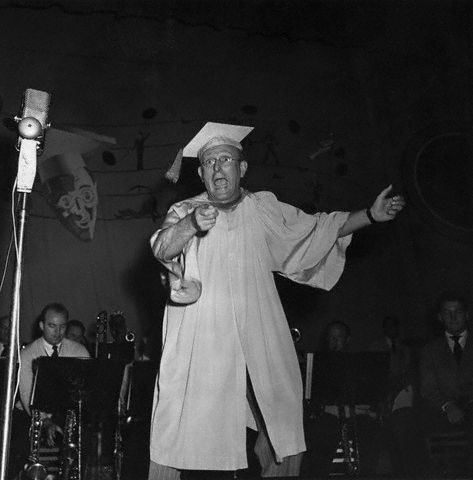
Kyser’s style was different than other bandleaders of the 1930s and 1940s. He didn’t just play music, the whole band performed in a comedic, fun style. Kyser was known for wearing a graduation cap and gown and showing his southern roots with his signature phrases, “Evenin’ children. How y’all?” and “Y’all’s dance.”

Kyser starred in several Hollywood movies as himself such as “Playmates” (1941) with John Barrymore and “That’s Right-You’re Wrong” (1939) with Lucille Ball. He also traveled abroad during World War II, performing for service men.

But after World War II ended, Kyser retired to Chapel Hill, N.C. with his wife, who was also the band’s singer, Georgia Carroll in 1951.

My mother and grandparents lived in Chapel Hill and would sometimes see Kay Kyser in the grocery store, and also went to the same Lutheran church as his wife. My grandmother said “Gorgeous” Georgia Carroll was just as beautiful in person as she was on screen.

Kyser passed away in 1985, and Carroll remained in Chapel Hill until her death in 2011 at the age of 91. Carroll donated 334 photos and other Kay Kyser artifacts to the Chapel Hill University.

Check out the Comet Over Hollywood Facebook page

Classics in the Carolinas: Joanne Woodward

  This fall, Comet Over Hollywood is doing a mini-series of “Classics in the Carolinas.” I’ll be spotlighting classic movie related topics in South Carolina (my home state) and North Carolina (where I currently live and work).

In 1942, someone very important graduated from Greenville High School, in Greenville, S.C.: my grandfather, Henry E. Vogel.

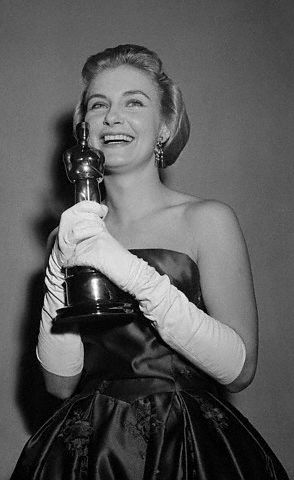
Joanne Woodward with her Oscar for “Three Faces of Eve” in 1958.

But another important figure graduated from Greenville High School: Joanne Woodward.

Woodward won an Academy Award for playing a woman who suffers from multiple personality disorder in “The Three Faces of Eve” (1957). But in real life, she was the envy of women everywhere as the wife of Paul Newman.

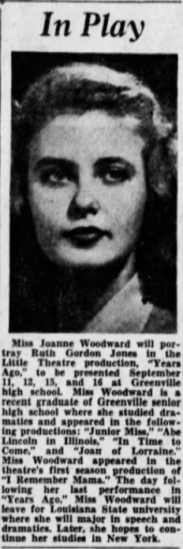
Originally born in Thomasville, Georgia in 1930, Woodward moved to Greenville, S.C. after her parents divorced. A teenager when they moved, Woodward started at Greenville High School as a sophomore and graduated in 1947.

While at Greenville High School she was beauty queen several times, “Sweetheart of 1947” her senior year, nominated “Best Looking” and a member of the cafeteria club, said classmate Catherine Tate in an interview. Woodward also attended Christ Episcopal Church in Greenville.

As a high school student, Woodward also performed in “I Remember Mama,” “The Glass Menagerie” and “Inherit the Wind” with the Greenville Little Theater. She returned to Greenville in 1975 to perform “The Glass Menagerie” with the Greenville Little Theater, refusing a formal driver and was the “same Joanne,” Tate said.

Joanne

Sept. 1947 Greenville News clipping about Joanne Woodward

“I don’t know what Joanne Woodward’s ambitions are, but she was a born actress,” said one Greenville critic in an article about “I Remember Mama” in 1946.

Woodward wanted to go to Clemson University, a South Carolina state college 45 minutes away from Greenville, like her brothers but the college was still an all-male military college at the time. (I wasn’t able to find this story confirmed anywhere, but have always been told that. My family is big Clemson fans, with my parents, sisters, great-grandfather and grandfather attending and my other grandfather holding the position of Dean of Science at the university.)

Woodward went to Lousiana State University where she studied drama and then continued on to New York where she found work in plays and on television. Early in both of their careers, Woodward met Paul Newman. Newman was married at the time, but he eventually divorced and the two were married in 1958 until his death in 2008.

In 1992, Newman donated $50,000 to Clemson University in honor of his father-in-law, Wade Woodward, Jr. who graduated from Clemson in 1922. The money went towards the Green Room at the Brooks Center of Performing Arts, according to a January 1992 Associated Press article.

Woodward is currently living in Connecticut, since Paul Newman passed away in 2008.

Paul Newman with wife Joanne Woodward

Paul Newman and Joanne Woodward in 1955

Check out the Comet Over Hollywood Facebook page for the latest updates.